Traveling with Dog Food Allergies: Road & Air Travel Guide
Traveling with dog food allergies guide covering packing hypoallergenic food, road trip safety, airline policies, pet-friendly hotels, and emergencies.
By Gary — 7+ years managing my Cockapoo's food allergies. Sources cited below.
10 min read
Affiliate disclosure: A handful of the product links in this article are affiliate links. They cost you nothing extra and help fund the scanner tool.
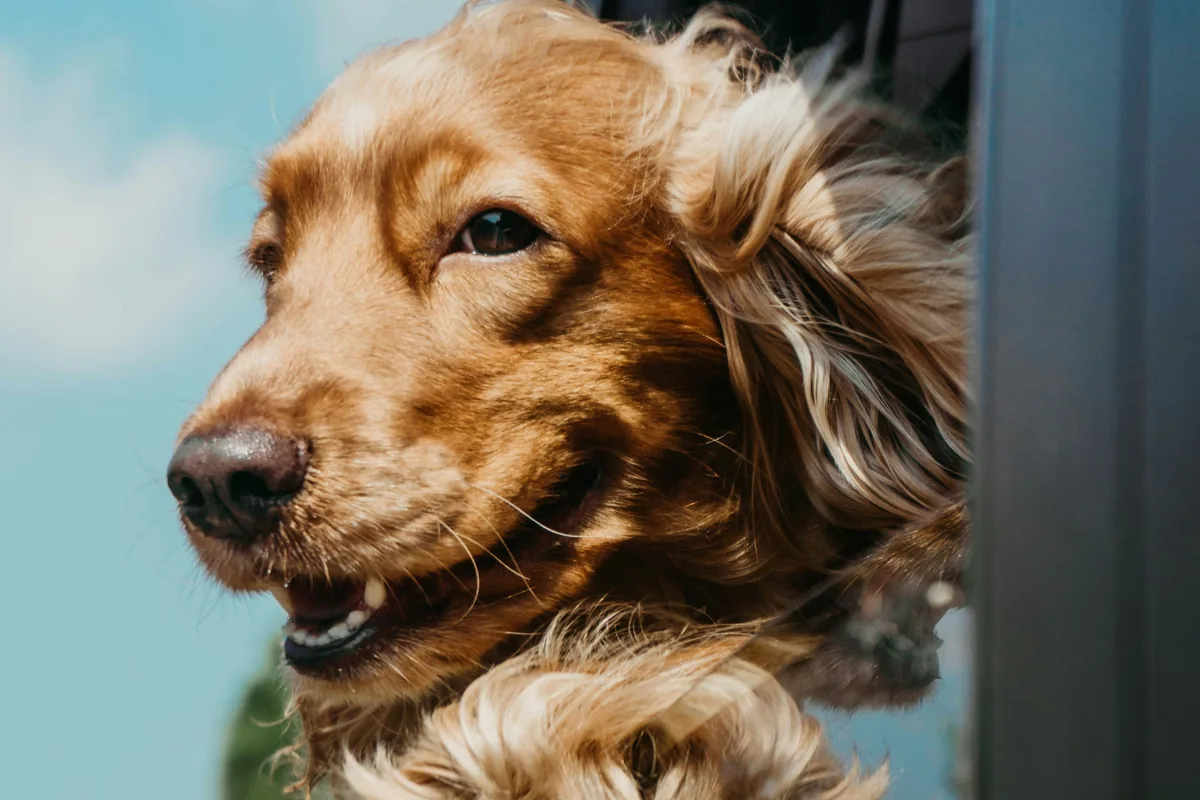
By Gary, founder of Pet Allergy Scanner. 7+ years managing pet food allergies with my Cockapoo.
The hardest part of traveling with an allergic dog is not the travel itself — it is ensuring consistent access to safe food in unfamiliar environments. Every new setting introduces risks: hotel housekeeping treats, well-meaning strangers, unfamiliar restaurants near walking routes, and limited pet store options. With proper preparation, traveling with an allergic dog is straightforward. This guide covers packing, road trips, air travel, accommodations, boarding, and emergency preparedness.
Quick Answer: Pack all hypoallergenic food from home — trip duration plus 3 extra days minimum — rather than relying on finding specialty food at the destination. Prescription diets like Hill's z/d and Royal Canin HP are available at most veterinary clinics but not always in stock. Use insulated containers for road trips, feed 2-3 hours before travel to reduce nausea, and leave written allergy instructions for anyone handling the dog. For food recommendations, see the best dog food for allergies guide.
How Do You Prepare for Traveling with an Allergic Dog?
Packing the Essentials
Food: Bring the full trip duration plus 3 extra days minimum. Do not assume specialty food will be available at the destination. Prescription hypoallergenic diets are carried by veterinary clinics, but specific formulas may be out of stock. Pre-measure portions into individual bags before leaving — this saves time, prevents overfeeding when tired, and makes it easy to track remaining supply.
Treats: Pack only confirmed safe treats. Single-ingredient freeze-dried options travel well and do not spoil. Do not plan to buy treats at the destination — most pet store treats contain common allergens like chicken and beef.
Medications: Bring all medications plus at least one extra week (travel delays happen). Keep prescriptions in original bottles. Have a copy of the prescription for emergency refills. If the dog takes Apoquel, Cytopoint, or other allergy medications, ensure adequate supply.
Documentation: Copies of medical records and vaccination certificates (some hotels require them). A photo of the food label on a phone is useful when explaining dietary needs to pet store employees or veterinary staff. A printed list of safe and unsafe ingredients helps if emergency food purchases become necessary.
Research the Destination
Locate emergency veterinary clinics at every overnight stop before leaving. The AAHA Hospital Finder (aaha.org) lists accredited practices. Save names, addresses, and phone numbers — searching in a panic is slower than having them ready. Ask the regular veterinarian for referrals to colleagues in the destination area.
Take action today: Use the free Pet Allergy Scanner to check your current pet food for hidden allergens and find safer alternatives.
How Do You Handle Food on Road Trips?
Keeping Food Safe
Heat destroys food quality fast. Kibble in a hot car causes fats to go rancid, degrades nutrients, and may become unsafe. Use insulated bags or coolers. Never leave food in direct sunlight. Air-conditioned vehicles are fine for reasonable durations, but do not leave food in a parked car in warm weather.
Sealed airtight containers prevent spills and maintain freshness. For fresh or raw diets, use a quality cooler with ice packs — freeze the food before departure so it thaws gradually over the trip.
Feeding on the Road
Feed the dog 2-3 hours before departure to reduce car sickness and allow a bathroom break. During the drive, feed smaller meals than usual — travel stress combined with motion and large meals increases the chance of digestive upset. Maintain the normal feeding schedule as closely as possible. Stop the car for feeding rather than feeding while in motion. Offer water at every rest stop.
Running Out of Food
This should not happen with proper planning, but if it does: call pet stores and veterinary clinics ahead on the route. Major prescription brands like Hill's and Royal Canin are available at most veterinary clinics. If the specific food cannot be found, plain boiled safe protein (a protein the dog tolerates) plus white rice works as a temporary meal for a day or two. Order the regular food online for same-day or next-day delivery through major pet retailers. Veterinary clinics often carry prescription food samples. Skipping one meal is better than feeding something unknown that triggers a reaction — a healthy adult dog can miss a meal without harm.
How Do You Fly with an Allergic Dog?
Getting Food Through Security
TSA does not restrict pet food the way it restricts human liquids. Dry kibble passes through X-ray screening without issues. Wet food and raw food may receive additional screening. Freeze-dried food is the most travel-friendly option for air travel. If carrying prescription food, keep the label visible — having the prescription authorization letter available prevents questions, though it is rarely needed on domestic flights.
For portioned food in unlabeled bags, label them clearly with the brand name and contents. If TSA asks questions, explaining that the dog has severe food allergies and can only eat specific food typically resolves the situation.
Feeding Around Flights
For flights under 4 hours, feed a normal meal 2-3 hours before departure and again after landing — no need to feed during travel. For flights of 4-8 hours, a small meal before departure works best with water offered during any layover. For flights over 8 hours, plan to feed during a layover if possible.
Long layovers provide time for a pet relief area, water, and decompression. Keep portable food ready for unexpected delays. Use personal bowls rather than shared facilities — airport pet relief areas are not always clean. Use bottled water rather than airport tap water, as unfamiliar water can cause digestive upset independently.
International Travel
International travel with pet food involves stricter regulations. Fresh and frozen food is almost always prohibited across borders. Commercial prescription food in original packaging with veterinary documentation typically clears customs, but specific requirements vary by country. Australia, New Zealand, Japan, and Singapore have particularly strict biosecurity rules — research requirements months in advance.
International prescription brands like Hill's and Royal Canin are available in most countries, making them practical choices for international travel. Shipping food to arrive at the destination before the trip eliminates the stress of finding it locally. A translation card listing the dog's allergens in the local language helps when communicating with pet stores abroad.
Not sure about ingredients? Try the free Pet Allergy Scanner — scan any pet food label for common allergens in seconds.
How Do You Manage Allergies at Hotels and Rentals?
Hotels
Beyond confirming pet policies, specific considerations matter for allergic dogs. Ask about refrigerators if feeding fresh or raw food — many hotels have mini-fridges, and some will provide one on request. Request no treats at booking, at check-in, and with a door note if needed — many "pet welcome" programs include treats that contain common allergens. If the dog also has environmental allergies, request a room that has not recently housed pets and hard floors rather than carpet.
Vacation rentals often work better for allergic dogs because they provide full kitchens (useful for preparing meals or warming food), proper refrigerators, more space (less stress), and complete control over the environment without housekeeping surprises. Before booking a rental, ask the host about previous pet guests, cleaning processes between stays, and full access to the kitchen and refrigerator.
Visiting Family and Friends
Visiting people who love the dog is often the hardest situation. Well-meaning family members offer treats, table scraps appear during meals, and other household pets may have accessible food bowls. Be specific about consequences — "a small treat can cause days of itching and ear infections" is more effective than a vague "he has allergies." Keep the dog away during meals using baby gates or crating. Ensure other pets' food bowls are inaccessible. Supervise children who may want to share food with the dog.
How Do You Handle Boarding and Pet Sitters?
Choosing a Boarding Facility
Not every boarding facility handles allergies competently. Before booking, ask how they manage individual diets (some facilities feed all dogs the same kibble), what treats they give during the day, and whether staff is trained on allergy protocols. The facility must store and serve only the specific food provided — no substitutions, no communal treat time with generic biscuits. Veterinary boarding is often the safest option for dogs with severe allergies because staff understand the medical stakes.
Written Instructions for Sitters
Whether using a professional sitter, friend, or family member, leave detailed written instructions. Verbal explanations get forgotten. Include: exact food name, brand, and type (with a photo of the bag), precise portion measurements using a measuring cup, feeding times, complete list of approved treats, foods that are absolutely off-limits, symptoms of allergic reaction and what to do, emergency veterinary contact information, and personal contact information. Even with detailed written instructions, some people underestimate the seriousness of food allergies — choose sitters who genuinely understand that "just a little bit" is not acceptable.
Emergency Kit for Travel
Pack for any trip: Benadryl at the veterinarian-approved dose, probiotics for digestive upset, plain boiled safe protein as an emergency meal option, electrolyte solution for dehydration, all prescribed medications, and basic first aid supplies. Having this kit prepared means not scrambling to find a pharmacy or pet store in an unfamiliar location.
Honest Take
The single most important travel rule for an allergic dog: bring all food from home. Every other complication is manageable with preparation — hotels, flights, sitters, emergency vet contacts. The food supply is the one that can't be improvised at the destination. Prescription hypoallergenic diets are rarely stocked outside vet practices and even pet stores at popular destinations may not carry the specific brand or formula.
Second-biggest problem: well-meaning people offering treats. Family at gatherings, hotel staff, fellow campers, training classmates. A printed laminated card listing the dog's allergies and a clear "please do not feed" works far better than repeated verbal explanations and saves the awkward "actually, sorry, he can't" moment every time.
Sources & Further Reading
- American Kennel Club — Traveling with Dogs — travel planning and allergy management guidance
- Merck Veterinary Manual — Food Allergy in Small Animals — clinical reference for elimination diets and dietary management
- American College of Veterinary Dermatology — dermatological testing and allergy management protocols
- Tufts University Veterinary Nutrition — evidence-based research on pet nutrition and dietary management
- AAHA — American Animal Hospital Association — accredited veterinary hospital finder for travel planning
Related Articles
- Best Dog Food for Allergies
- Training Treats for Allergic Dogs
- Limited Ingredient Dog Food Comparison
- Dog Food Allergy Emergency Guide
- Dog Elimination Diet Guide
Frequently Asked Questions
Can Hypoallergenic Dog Food Be Found Anywhere?
Major prescription brands like Hill's and Royal Canin are available at most veterinary clinics, but specific formulas may be out of stock. Specialty or boutique limited ingredient diets are much harder to find outside major pet retailers. The safest approach: always bring enough food from home rather than relying on finding it at the destination.
How Do You Keep Raw or Fresh Food Cold While Traveling?
Freeze the food before departure — it stays cold longer and thaws gradually. Use a high-quality cooler with ice packs for road trips. For longer stays, book accommodations with refrigerators. Freeze-dried food is the most practical alternative for travel since it requires no refrigeration and is lightweight.
What If the Dog Refuses to Eat While Traveling?
Travel stress commonly reduces appetite. Offer meals in a quiet space using familiar bowls, and maintain the normal feeding schedule as closely as possible. Missing one or two meals is not dangerous for healthy adult dogs. If food refusal continues past 48 hours or is accompanied by lethargy, vomiting, or diarrhea, see a veterinarian.
How Long Can Dog Food Stay in a Hot Car?
Not long. High temperatures cause fats to go rancid and degrade nutrients within hours. Use insulated containers and never leave food in direct sunlight. In air-conditioned vehicles, food is fine for the duration of normal driving. In parked cars on warm days, food quality deteriorates rapidly — bring food inside at every stop.
Can Hotel Housekeeping Give the Dog Treats?
They should not, but many "pet welcome" programs include automatic treat delivery. Request "no treats" when booking, remind the front desk at check-in, and place a note on the door. Some owners also put a "Do Not Disturb" sign up or request housekeeping only when present.
Should Extra Medication Be Packed for Travel?
Yes. Bring at least one extra week of all medications beyond the planned trip duration. Keep prescriptions in original bottles with the owner's name. Have a copy of the prescription for emergency refills. Research veterinary clinics at every destination that could provide refills if needed.
Is your pet's food safe?
Upload a photo of any pet food label and find out what's safe in seconds.
Try free scanFound this useful? Save it or share it with another pet owner.
Continue Reading

Training Treats for Allergic Dogs: Best Hypoallergenic Options
Best training treats for allergic dogs covering hypoallergenic single-ingredient options, novel protein treats, homemade recipes, and contamination tips.
Best Limited Ingredient Dog Food (Top 12 for Allergies Ranked)
Ranking the 12 best limited ingredient dog foods for allergies. Compare ingredient counts, protein sources, and find the right LID for your allergic dog.

Dog Food Allergy Emergency: Anaphylaxis Recognition & Response
Anaphylaxis from food allergies is rare in dogs but can be fatal within minutes. Every dog owner must know these emergency warning signs and responses.
Best Dog Food for Allergies: Complete Guide & Reviews
Beef and chicken cause 65%+ of canine food allergies. Compare 10 limited ingredient, hydrolyzed, and novel protein diets with the exact foods vets recommend.
Cite this article
Gary Innes. (2026). Traveling with Dog Food Allergies: Road & Air Travel Guide. Pet Allergy Scanner. Retrieved 2026-07-06T22:16:44.000Z from https://petallergyscanner.com/blog/traveling-dog-food-allergies/
For other citation styles or to embed our tools, see the press & citations page.
About the author — Gary Innes
Gary is a UK pet owner who built Pet Allergy Scanner after 7+ years navigating his Cockapoo's chronic food allergy — a dog whose safe diet has narrowed to salmon, venison and vegetables. He is not a veterinarian and has no veterinary or nutrition qualifications. Every article on the site is owner-to-owner research that cites primary veterinary sources (Mueller et al. BMC Vet Res 2016, ACVD, Merck Vet Manual) and defers diagnostic and treatment decisions to a vet.
Read more about Pet Allergy Scanner's editorial standards →