Dog Food Allergies + IBD: Dual-Condition Management Guide
Up to 60% of dogs with IBD also have food sensitivities. How to manage both conditions with the right diet, modified elimination protocols, and supplements.
By Gary — 7+ years managing my Cockapoo's food allergies. Sources cited below.
12 min read
Affiliate disclosure: Some links here are affiliate links — buying through them keeps the scanner free for everyone, at no cost to you.

By Gary, founder of Pet Allergy Scanner. 7+ years managing pet food allergies with my Cockapoo.
I earn a small commission from purchases through affiliate links in this article. This helps maintain the free scanner tool and costs you nothing extra.
Last Updated: February 2026
Quick Summary
- A high proportion of dogs with IBD also have food sensitivities — the WSAVA and veterinary GI literature describe the two conditions as commonly co-occurring, with one widely-cited estimate around 50–60% (figures vary by study and population)
- Hydrolyzed protein diets are commonly the first-line dietary option vets reach for in dual diagnosis — Hill's z/d or Royal Canin HP break proteins down to fragments small enough that they're less likely to trigger an immune response
- Modified elimination diets for IBD dogs typically take a gentler, slower approach — vets often stabilise on prescription food first, then run strict elimination for 8–12 weeks before considering food challenges
- Free tool: use the Pet Allergy Scanner to check any pet food for hidden allergens before buying
Quick Answer: IBD and food allergies frequently co-occur — published estimates often sit around 50–60% of IBD dogs having food sensitivities. The leading veterinary explanation: IBD damages the gut lining, allowing food proteins to cross into the bloodstream more easily, where the immune system may react to them and worsen the IBD. Hydrolyzed protein diets (Hill's z/d or Royal Canin HP) are commonly first-line because they aim to bypass both conditions at once. Always confirm the right diet with your vet. For general allergy food recommendations, see the best dog food for allergies guide.
Table of Contents
- What Is the Connection Between IBD and Food Allergies?
- What Do Dogs with IBD and Allergies Need Nutritionally?
- What Are the Best Foods for IBD and Food Allergies?
- How Do You Do an Elimination Diet with IBD?
- What Supplements Help with IBD and Allergies?
- When Should You See a Specialist?
- Honest Take
- Sources & Further Reading
- Related Articles
- Frequently Asked Questions
What Is the Connection Between IBD and Food Allergies?
What Is Canine IBD?
IBD isn't one condition — it's a group of conditions where inflammatory cells infiltrate the intestinal lining. The most common type is lymphocytic-plasmacytic enteritis. There's also eosinophilic enteritis (which tends to be more allergy-related), granulomatous enteritis (the severe form), and histiocytic ulcerative colitis (mainly affects certain breeds like Boxers).
The key difference from food allergies: IBD causes ongoing inflammation even without specific triggers. Food sensitivities, where they're present, are commonly described in the literature as making IBD harder to manage — which is why most vets investigate diet alongside the IBD itself.
Why These Conditions Show Up Together
The mechanism most often cited in veterinary nutrition literature is that IBD-related inflammation damages the gut lining, increasing intestinal permeability (sometimes informally called "leaky gut"). Larger protein particles can then cross into the bloodstream, where the immune system may treat them as foreign and react. That immune response can fuel further inflammation. The model is widely used in clinical practice but the full picture is still being researched, so treat it as the working theory rather than settled biology.
The practical takeaway most owners hear from their vet: managing one condition without addressing the other rarely works, which is why dietary therapy for IBD almost always focuses on removing potential allergens too.
How to Tell Them Apart
The symptoms overlap significantly, making diagnosis difficult even for veterinarians.
Signs pointing more toward IBD: Bloody stool, significant weight loss, and poor response to dietary changes alone. IBD dogs often need medications on top of diet changes.
Signs pointing more toward food allergies: Skin itching (especially ears, face, paws), recurring ear infections, and symptoms that clear completely on an elimination diet before relapsing when foods are reintroduced.
The overlap: Chronic diarrhoea, vomiting, poor coat quality, and appetite changes could be either condition — or both. If an elimination diet alone doesn't help after 8-12 weeks, ask your vet about diagnostic testing (endoscopy and biopsy are the standard tools for distinguishing IBD subtypes).
What Do Dogs with IBD and Allergies Need Nutritionally?
Managing both conditions simultaneously means checking multiple boxes with every meal:
Novel or hydrolyzed protein. Vets typically recommend avoiding whatever has triggered the allergic response — most commonly chicken or beef, per the BMC Vet Res adverse-food-reactions literature. Novel proteins (duck, venison, rabbit, fish) are one route; hydrolyzed proteins are another, broken down small enough that they're less likely to be recognised by the immune system. Your vet will choose between them based on case history.
High digestibility. An IBD-damaged gut tends to absorb nutrients less efficiently, so vets often recommend simple ingredient lists and easily-broken-down proteins. Tufts University Veterinary Nutrition cites digestibility above ~85% as the working benchmark for these formulas.
Low residue. Less fibre and simpler ingredients are commonly recommended to reduce intestinal workload. High-fibre "digestive health" formulas are aimed at healthy guts, not IBD-damaged ones — but follow your vet's specific guidance.
Omega-3 fatty acids. Often included in IBD diets for their anti-inflammatory action on both gut and skin. Fish-based foods or vet-recommended supplements like Nordic Naturals Omega-3 Pet are common sources.
Moderate fat (commonly 10–15%). IBD dogs often struggle with fat absorption — too high may cause greasy stools, too low may underfeed calories. Your vet will set the right band for your dog.
Take action today: Use the free Pet Allergy Scanner to check your current pet food for hidden allergens and find safer alternatives.
What Are the Best Foods for IBD and Food Allergies?
Prescription Hydrolyzed Diets (First Choice)
Hill's Prescription Diet z/d — hydrolyzed chicken liver broken into fragments under 10,000 daltons. Single carbohydrate source, over 85% digestibility. A common first prescription for newly diagnosed dogs. ~$85-95/25 lb bag. Best for: Starting point your vet may suggest for a new diagnosis.
Royal Canin Hydrolyzed Protein HP — hydrolyzed soy protein with added EPA/DHA for inflammation. Higher protein (18% vs Hill's 14.5%) — better for dogs needing muscle rebuilding. ~$95-110/24.2 lb bag. Best for: Dogs needing higher protein, or those who didn't do well on Hill's z/d.
Purina Pro Plan Veterinary HA — the most palatable prescription option. IBD dogs with suppressed appetites often accept this when they refuse other prescription foods. Lower fat (9.5%), ultra-low fibre (1%), over 90% digestibility. ~$75-85/25 lb bag. Best for: Picky eaters and dogs with severe nausea.
Royal Canin Ultamino — uses free amino acids instead of hydrolyzed proteins. Nothing for the immune system to react to. The last resort when everything else fails. ~$120-140/19.8 lb bag. Best for: Severe cases, protein-losing enteropathy, dogs who've failed standard hydrolyzed diets.
Novel Protein Options (After Stabilisation)
For dogs with milder cases or those transitioning off prescription food after stabilisation:
Natural Balance L.I.D. Duck & Potato — true limited ingredient formula with a single novel protein. ~$55-65/24 lb bag. Best for: Maintenance after prescription diet has stabilised the condition.
Note: Novel protein diets are commonly described as riskier for IBD + allergy dogs than hydrolyzed diets. The protein has to be genuinely novel (never eaten before), AND the IBD gut has to handle it. Most vets I've spoken to start with prescription hydrolyzed diets and only consider novel proteins after stabilisation — confirm the order with your own vet.
Not sure about ingredients? Try the free Pet Allergy Scanner — scan any pet food label for common allergens in seconds.
How Do You Do an Elimination Diet with IBD?
Standard elimination protocols don't always account for a compromised gut. IBD dogs are typically given a gentler, slower run by their vet. The protocol below is a representative pattern from the veterinary literature — your vet's exact plan may differ, and you should follow theirs, not this template.
Representative Modified Protocol
Weeks 1-2: Stabilisation. Vets commonly start the hydrolyzed prescription diet while keeping any IBD medications going. Tracking stool quality daily helps. The goal at this stage isn't to diagnose anything — it's to calm the system down.
Weeks 3-8: Strict phase. Nothing but the hydrolyzed diet and water. No treats, no flavoured medications, no table scraps. Improvement is typically gradual in case reports — week 3 might look similar to week 1. By weeks 6-7, meaningful changes can appear if food is a significant trigger.
Weeks 9-12: Assessment with the vet. What's actually improved? Better stools? Less vomiting? Weight stabilising? If clearly better, the diet is helping. If there's no improvement, your vet may suggest the IBD itself needs additional medication rather than treating food as the main driver.
Week 13+: Decision point. If stable, your vet may recommend staying on the hydrolyzed diet indefinitely, or carefully considering food challenges. That call is theirs.
Should You Do Food Challenges with IBD?
Many IBD specialists recommend NOT challenging if the dog is stable. Triggering an IBD flare by reintroducing an allergen can be worse than not knowing the specific trigger. If the hydrolyzed diet works, that IS the solution — knowing whether it's specifically chicken or beef doesn't change the treatment.
However, if the goal is eventually transitioning to a less expensive novel protein diet, challenges can help identify what's safe. Discuss the risks and benefits with the vet before proceeding.
What Supplements Help with IBD and Allergies?
Fish oil (EPA/DHA) — the supplement most commonly recommended in IBD/allergy contexts for its anti-inflammatory action on both gut and skin. Nordic Naturals Omega-3 Pet is one quality option. EPA/DHA dosing varies widely in published literature and by body weight; ask your vet to set the right amount for your dog rather than dosing from a generic table.
Probiotics — sometimes used to support the gut microbiome IBD can disrupt. Veterinary-grade products with documented strains are preferred; some prescription diets already include them. Confirm choice and dose with your vet.
B12 injections — IBD dogs are often reported to absorb B12 less efficiently from food. Deficiency has been linked to fatigue, weight loss and worsening symptoms in clinical reports. This requires blood work to confirm and is administered by your vet.
Fibre (psyllium) — sometimes tolerated, sometimes not. Some owners report small amounts of soluble fibre help; others see flares. Don't add it without checking with your vet, and start very small if they approve.
Skip: Many "digestive support" supplements marketed direct-to-owner are expensive and lack robust evidence. The standard-of-care recommendations remain fish oil, probiotics where appropriate, and anything your vet specifically asks you to add.
When Should You See a Specialist?
A regular vet can handle most IBD + allergy cases. But some situations need an internal medicine specialist:
Red flags warranting referral: Diet changes aren't helping after 8-12 weeks, significant weight loss or malnutrition, bloody diarrhoea that won't resolve, signs of protein-losing enteropathy (PLE) — low protein levels and fluid accumulation, multiple failed medications, or needing a biopsy to confirm diagnosis type.
What specialists provide: Endoscopy and biopsy (the only way to definitively diagnose IBD type), ultrasound to assess intestinal wall damage, advanced blood panels, and experience customising diet and medication plans based on exactly which type of IBD the dog has.
For straightforward cases, specialist referral isn't necessary. For dogs not responding to standard treatment, it's worthwhile.
Honest Take
The bottom line: IBD + food allergies is one of the most frustrating dual diagnoses in veterinary medicine because the conditions mask each other. When the dogs I've worked with had persistent digestive issues alongside the food allergy symptoms, it took time to sort out which problem was driving what. The reality is that for dogs with both conditions, the diet approach is the same regardless — hydrolyzed protein or novel protein, strict adherence, patience. The hardest part is accepting that "cure" isn't realistic. The goal is management and quality of life. Most dogs do very well once the right dietary approach is found — it just takes longer to find it than with food allergies alone.
Sources & Further Reading
- World Small Animal Veterinary Association — IBD Guidelines — clinical guidelines for inflammatory bowel disease management
- Merck Veterinary Manual — Inflammatory Bowel Disease — clinical reference for IBD diagnosis and treatment
- Tufts University Veterinary Nutrition — evidence-based guidance on hydrolyzed protein diets and GI nutrition
- BMC Veterinary Research — Adverse Food Reactions — food allergy and IBD overlap research
- American College of Veterinary Internal Medicine — specialist resources for complex GI and allergy conditions
Related Articles
- Best Prescription Dog Food for Allergies
- Dog Elimination Diet Guide
- Dog Food Allergies and Pancreatitis
- Best Dog Food for Allergies
- Dog Allergy Supplements Guide
Ready to check your dog's food? Use the free Pet Allergy Scanner to spot hidden allergens and find safer alternatives.
Frequently Asked Questions
Can Food Allergies Actually Cause IBD?
Not directly. IBD has multiple causes (genetics, immune dysfunction, gut bacteria imbalance). But food allergies can trigger a specific type of IBD (eosinophilic enteritis), and they definitely make any form of IBD worse. The conditions are deeply intertwined rather than one strictly causing the other.
Is Hydrolyzed Protein or Novel Protein Better for IBD Dogs?
For most dogs with both conditions, hydrolyzed is commonly described as the safer starting point. The proteins are broken down small enough that the immune system is much less likely to react to them, AND they tend to be easier for a damaged gut to absorb. Novel proteins can work too, but they carry more risk — the protein has to be truly novel AND the IBD gut has to handle it. Your vet will pick between them based on your dog's history.
How Long Until Improvement on the Right Diet?
Reported timelines in the veterinary literature vary, but a common pattern is digestive symptoms starting to improve within 2-4 weeks, skin issues taking longer (often 8-12 weeks), and full stabilisation taking 4-6 months for dogs with both conditions. Your vet will tell you what's a realistic expectation for your dog. Patience is essential either way.
Will My Dog Need a Special Diet Forever?
Most dogs with IBD + food allergies need long-term dietary management. Some can eventually transition to less expensive novel protein foods once stabilised, but many need prescription or limited ingredient diets permanently. The severity of both conditions determines the long-term approach.
What If Prescription Diets Aren't Working?
Vets typically consider three paths from here: amino acid–based diets (such as Royal Canin Ultamino), working with a board-certified veterinary nutritionist on a homemade elimination diet, or combining dietary therapy with additional medications. Drugs sometimes named in the IBD literature (budesonide, azathioprine and similar immunosuppressants) carry meaningful side-effect profiles and are strictly vet-prescribed — never start or stop them on your own. The right next step is a conversation with your vet or a referral to internal medicine.
Should I Do Food Challenges If My IBD Dog Is Stable?
Many IBD specialists recommend NOT challenging if the dog is stable on a hydrolyzed diet. Triggering an IBD flare by reintroducing an allergen can be worse than not knowing the specific trigger. If the current diet works, that IS the answer. Only consider challenges if planning to transition to a less expensive novel protein diet long-term.
Disclaimer: This article is for educational purposes only and does not replace professional veterinary advice. Always consult your veterinarian before making dietary changes for your pet. Individual results may vary.
Is your pet's food safe?
Upload a photo of any pet food label and find out what's safe in seconds.
Try free scanFound this useful? Save it or share it with another pet owner.
Continue Reading
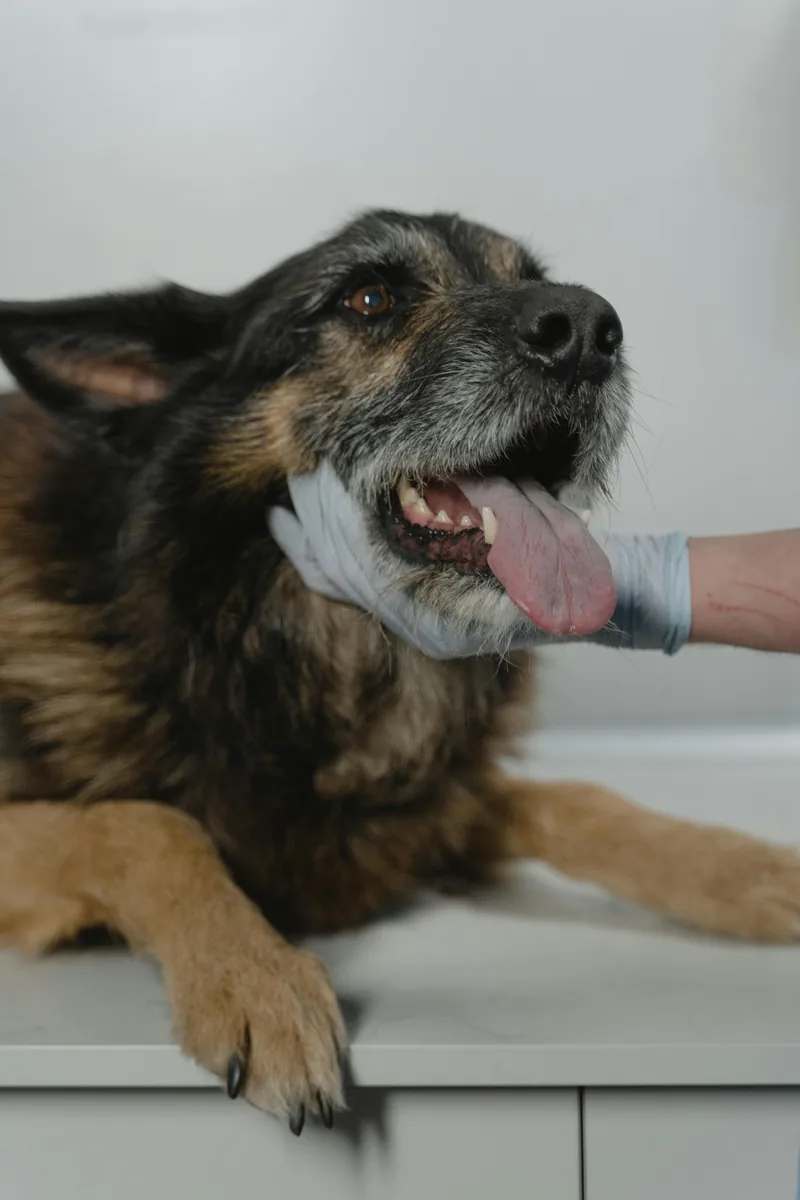
Dog Food Allergies + Pancreatitis: The Under-8% Fat Rule
Managing food allergies and pancreatitis together is a tough feeding challenge. Low-fat hypoallergenic foods, fat level targets, and a step-by-step plan.
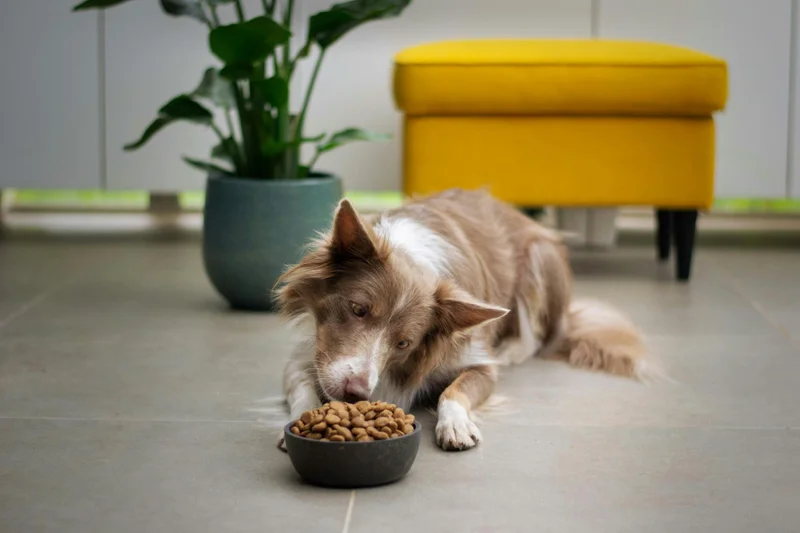
Dog Elimination Diet: An 8-12 Week Owner's Guide
An owner's walk-through of the elimination diet — what your vet may recommend, the 8-12 week protocol they'll commonly outline, and the mistakes that wreck a trial.

Best Dog Food for Allergies: Complete Guide & Reviews
Beef and chicken cause 65%+ of canine food allergies. Compare 10 limited ingredient, hydrolyzed, and novel protein diets with the exact foods vets recommend.
Best Prescription Dog Food for Allergies: Vet Comparison
Six prescription dog foods compared — hydrolysed protein technology explained, costs broken down, and elimination diet protocol for severe food allergies.
Cite this article
Gary Innes. (2026). Dog Food Allergies + IBD: Dual-Condition Management Guide. Pet Allergy Scanner. Retrieved 2026-07-06T22:16:44.000Z from https://petallergyscanner.com/blog/dog-food-allergies-ibd/
For other citation styles or to embed our tools, see the press & citations page.
About the author — Gary Innes
Gary is a UK pet owner who built Pet Allergy Scanner after 7+ years navigating his Cockapoo's chronic food allergy — a dog whose safe diet has narrowed to salmon, venison and vegetables. He is not a veterinarian and has no veterinary or nutrition qualifications. Every article on the site is owner-to-owner research that cites primary veterinary sources (Mueller et al. BMC Vet Res 2016, ACVD, Merck Vet Manual) and defers diagnostic and treatment decisions to a vet.
Read more about Pet Allergy Scanner's editorial standards →