Dog Food Allergies + Kidney Disease: Low-Protein Diet Guide
Managing dog food allergies alongside kidney disease requires careful balance. Low-protein hypoallergenic foods, phosphorus limits, and safe novel proteins.
By Gary — 7+ years managing my Cockapoo's food allergies. Sources cited below.
12 min read
Affiliate disclosure: A handful of the product links in this article are affiliate links. They cost you nothing extra and help fund the scanner tool.
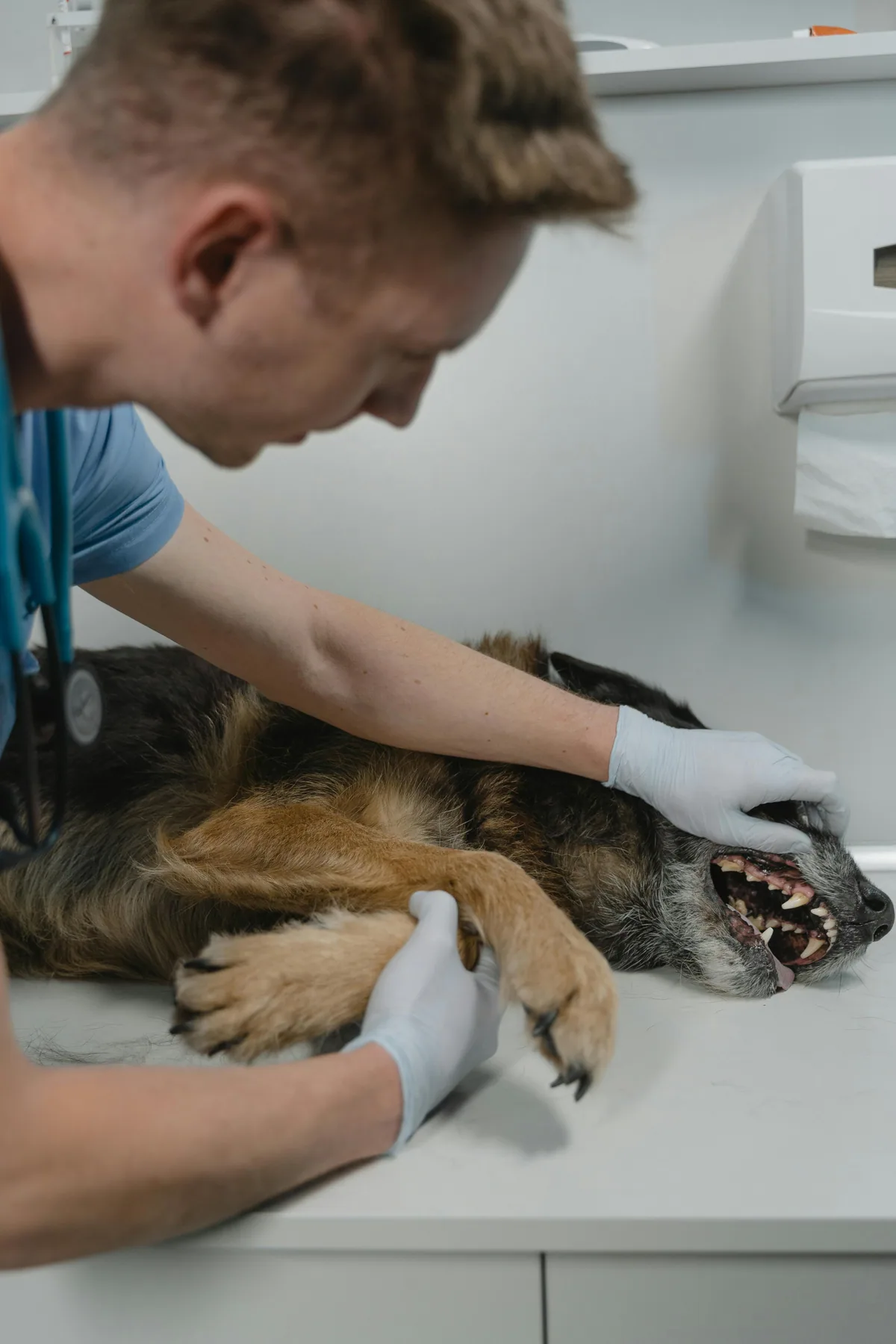
Managing a dog with both food allergies and kidney disease requires exceptional dietary precision. Kidney disease demands reduced protein and phosphorus, while food allergies require avoiding specific proteins entirely. These seemingly conflicting needs can be reconciled with careful food selection and veterinary guidance.
By Gary, founder of Pet Allergy Scanner. 7+ years managing pet food allergies with my Cockapoo.
Quick Answer: Managing dog food allergies + kidney disease. Low-protein hypoallergenic foods, phosphorus restrictions, novel proteins for renal dogs.
Critical Challenge: Most hypoallergenic and limited ingredient foods are high in protein—exactly what kidney disease dogs need to avoid. Meanwhile, most kidney diets contain common allergens like chicken. Finding the overlap requires specialized knowledge.
Understanding Both Conditions
Kidney Disease Dietary Requirements
| Requirement | Why It Matters | Target Range | |-------------|----------------|--------------| | Reduced Protein | Decreases kidney workload | 14-20% (stage-dependent) | | Low Phosphorus | Slows kidney decline | <0.5% (severe) to <1% (mild) | | Increased Omega-3 | Reduces kidney inflammation | Enhanced EPA/DHA | | Controlled Sodium | Manages blood pressure | Reduced levels | | High Quality Protein | Minimizes waste products | Highly digestible sources | | Adequate Calories | Prevents muscle wasting | Sufficient fat for energy |
Kidney Disease Stages and Protein Needs
Your vet will stage your dog's kidney disease using full bloodwork — creatinine, SDMA, and urine protein ratios together. The IRIS (International Renal Interest Society) staging system is widely used as a framework; the protein targets below are general guidelines from that framework, not a substitute for your vet's specific instructions.
| IRIS Stage | Creatinine (reference range) | General Protein Guidance | |------------|------------------------------|--------------------------| | Stage 1 | <1.4 mg/dL | Moderate protein often acceptable | | Stage 2 | 1.4–2.0 mg/dL | Some restriction typically recommended | | Stage 3 | 2.1–5.0 mg/dL | More significant restriction usually needed | | Stage 4 | >5.0 mg/dL | Strict restriction; intensive vet management |
Food Allergy Dietary Requirements
| Requirement | Why It Matters | Implementation | |-------------|----------------|----------------| | Novel Protein | Avoids immune triggers | Fish, duck, venison, rabbit | | Limited Ingredients | Minimizes exposure | 8-12 ingredients max | | No Common Allergens | Prevents reactions | No chicken, beef, dairy, wheat | | Protein Quality | Better digestibility | Single source preferred |
The Conflict: Where Requirements Clash
| Allergy Need | Kidney Need | Conflict | |--------------|-------------|----------| | Novel proteins (often high-protein foods) | Reduced total protein | High-protein L.I.D. foods inappropriate | | Grain-free (common in allergy foods) | Often includes grains for calories | May need to accept some grains | | Limited ingredients | Specific nutrient additions | Kidney foods have many supplements | | Any safe protein | Specific protein quality | Must be digestible for kidneys |
Best Foods for Kidney Disease + Allergies
Prescription Options (Recommended)
1. Royal Canin Hydrolyzed Protein + Renal Support Approach
For dogs with confirmed severe allergies and kidney disease, a veterinary nutritionist may recommend:
Strategy: Use Royal Canin Renal Support as base, monitor for allergy symptoms. If reactions occur, consider:
- Royal Canin Hydrolyzed Protein (modified amounts)
- Custom formulation with veterinary nutritionist
Royal Canin Renal Support Profile: | Nutrient | Analysis | |----------|----------| | Protein | 14% | | Phosphorus | 0.24% | | Sodium | 0.24% | | Omega-3 | Enhanced | | EPA + DHA | 0.42% |
Limitation: Contains chicken. Not suitable for chicken-allergic dogs.
Price: $75-90 for 17-lb bag (prescription required)
2. Hill's Prescription Diet k/d Kidney Care
Most Common Kidney Diet
Hill's k/d is one of the most widely prescribed kidney diets, but it contains chicken—problematic for many allergic dogs.
Key Features:
- Controlled phosphorus
- Reduced sodium
- Enhanced omega-3 fatty acids
- Controlled protein levels
- L-carnitine for energy
Nutritional Profile: | Nutrient | Analysis | |----------|----------| | Protein | 14.2% | | Phosphorus | 0.39% | | Sodium | 0.23% | | Fat | 16.4% | | Omega-3 | Enhanced |
Allergy Concern: Contains chicken and corn. Not for chicken or grain-allergic dogs.
Price: $70-85 for 17.6-lb bag (prescription required)
3. Hill's Prescription Diet k/d + z/d Combination
For confirmed food allergies with kidney disease, some veterinarians recommend:
Option A: Hill's k/d with allergy medications
- Use k/d for kidney support
- Manage allergy symptoms with medication
- Not ideal but sometimes necessary
Option B: Modified z/d feeding
- Hill's z/d (hydrolyzed, hypoallergenic)
- Feed reduced portions
- Add phosphorus binders as prescribed
- Requires close veterinary monitoring
Hill's z/d Profile: | Nutrient | Analysis | |----------|----------| | Protein | 18% | | Phosphorus | 0.72% | | Fat | 14% |
Problem: z/d has higher phosphorus than ideal for kidney disease. Requires veterinary modification.
4. Purina Pro Plan Veterinary Diets NF Kidney Function
Alternative Prescription Kidney Diet
Purina's NF formula offers another prescription option with different protein sources.
Key Features:
- Restricted phosphorus
- Controlled protein
- Omega-3 fatty acids
- Moderate sodium
Nutritional Profile: | Nutrient | Analysis | |----------|----------| | Protein | 15% | | Phosphorus | 0.38% | | Sodium | 0.22% | | Fat | 17% |
Allergy Concern: Contains corn gluten meal and animal fat (source unspecified).
Price: $65-80 for 18-lb bag (prescription required)
Over-the-Counter Options (Limited)
Finding OTC foods suitable for both conditions is extremely challenging. Most options require compromises:
5. Natural Balance L.I.D. Fish & Sweet Potato (Modified Portions)
Potential OTC Option with Modifications
Natural Balance offers limited ingredients with fish protein. However, modifications needed for kidney disease:
Standard Profile: | Nutrient | Analysis | |----------|----------| | Protein | 21% | | Phosphorus | ~0.8% | | Fat | 10% |
For Kidney Disease: Feed reduced portions + add kidney-friendly calories (like medium-chain triglyceride oil) to maintain weight without excess protein.
Critical: This approach requires veterinary supervision. OTC foods are not formulated for kidney disease.
6. Custom Homemade Diet
Most Flexible Option
For dogs who cannot tolerate any commercial kidney or allergy food, a veterinary nutritionist-formulated homemade diet may be the only solution.
Components:
- Novel protein (fish, rabbit) in controlled amounts
- Low-phosphorus carbohydrates (white rice, tapioca)
- Kidney-appropriate fat sources
- Prescribed vitamin/mineral supplements
- Phosphorus binders if needed
Example Framework (Requires Professional Formulation):
- 20% lean novel protein (fish, egg whites)
- 60% low-phosphorus carbs (white rice)
- 15% added fats (fish oil, approved oils)
- 5% prescribed supplements
Critical: Never attempt homemade kidney diets without professional formulation. Nutritional imbalances can accelerate kidney decline.
Comparison Chart: Kidney + Allergy Considerations
| Food | Protein | Phosphorus | Common Allergens | Kidney Safe | Allergy Safe | |------|---------|------------|------------------|-------------|--------------| | Hill's k/d | 14.2% | 0.39% | Chicken, corn | Yes | No | | Royal Canin Renal | 14% | 0.24% | Chicken | Yes | No | | Purina NF | 15% | 0.38% | Corn, unspecified | Yes | Partial | | Hill's z/d | 18% | 0.72% | None (hydrolyzed) | Borderline | Yes | | Natural Balance L.I.D. | 21% | ~0.8% | None | No (too high) | Yes | | Homemade | Variable | Controllable | Controllable | Can be | Can be |
Special Considerations
Why Most Limited Ingredient Foods Don't Work
| L.I.D. Brand | Protein Level | Problem for Kidneys | |--------------|---------------|---------------------| | Wellness Simple | 24% | Too high protein | | Blue Buffalo Basics | 22% | Too high protein | | Merrick L.I.D. | 28% | Much too high protein | | Orijen L.I.D. | 38% | Far too high protein | | Natural Balance L.I.D. | 21% | High, but closest to acceptable |
Reality: Most L.I.D. foods market their high protein content as a benefit—the opposite of kidney disease needs.
Phosphorus: The Hidden Challenge
Beyond protein, phosphorus management is critical:
High-Phosphorus Foods to Avoid:
- Bones and bone meal
- Organ meats
- Dairy products
- Many fish (especially with bones)
- Egg yolks
- Most beans and legumes
Lower-Phosphorus Protein Sources:
- Egg whites (not yolks)
- Some white fish (without bones)
- Chicken breast (if not allergic)
- Lean beef cuts (if not allergic)
Novel Proteins and Kidney Disease
| Novel Protein | Phosphorus Level | Kidney Suitability | |---------------|------------------|-------------------| | Rabbit | Moderate | Potentially suitable | | Duck | Moderate-High | Less ideal | | Venison | Moderate | Potentially suitable | | White fish | Low-Moderate | Good choice | | Salmon | Moderate | Acceptable | | Lamb | Moderate-High | Less ideal |
Feeding Strategies for Dual Management
Portion Control and Meal Frequency
| Strategy | Kidney Benefit | Allergy Benefit | |----------|---------------|-----------------| | 3-4 small meals | Reduces protein load per meal | Consistent digestion | | Precise measuring | Controls protein intake | Avoids overfeeding | | Consistent timing | Stable metabolism | Reduced GI stress | | Warmed food | Increases palatability | Better acceptance |
Hydration Priority
Kidney disease dogs need increased water intake:
- Fresh water always available
- Consider water fountains
- Add water to food
- Monitor hydration status
Treat Considerations
Most treats are inappropriate for kidney disease + allergy dogs:
Safe Options: | Treat | Notes | |-------|-------| | Plain white rice | Low protein, low phosphorus | | Approved vegetables | Carrots, green beans (limited) | | Prescription treats | If available for both conditions | | Egg white treats | Low phosphorus, novel for some |
Avoid:
- Commercial dog treats (high protein/phosphorus)
- Jerky (concentrated protein)
- Dental chews (often allergenic)
- Human food scraps
Dental and joint chews are a common stealth source of both excess phosphorus and trigger proteins. Run the cupboard through the free allergen scanner before agreeing the menu with your vet — it flags poultry, beef, and dairy derivatives on UK pet-treat labels.
Monitoring Both Conditions
Kidney Function Markers
| Test | Frequency | Target | |------|-----------|--------| | BUN (Blood Urea Nitrogen) | Every 2-4 months | Decreasing or stable | | Creatinine | Every 2-4 months | Stable or slow rise | | Phosphorus | Every 2-4 months | Within normal range | | SDMA | Every 2-4 months | Stable | | Urine protein:creatinine | Every 3-6 months | Decreasing |
Allergy Symptom Monitoring
| Symptom | Watch For | Action | |---------|-----------|--------| | Itching | Increase from baseline | Review recent food changes | | Ear issues | Redness, discharge | Check for allergen exposure | | GI upset | Vomiting, diarrhea | Could be either condition | | Skin changes | Redness, hair loss | Document and report |
Distinguishing Symptoms
| Symptom | More Likely Kidney | More Likely Allergy | |---------|-------------------|---------------------| | Increased thirst | Yes | No | | Increased urination | Yes | No | | Vomiting | Yes | Sometimes | | Loss of appetite | Yes | Sometimes | | Itching | No | Yes | | Ear infections | No | Yes | | Skin redness | No | Yes | | Weight loss | Yes | Rare | | Bad breath | Yes | No |
Working With Your Veterinarian
When to See a Veterinary Nutritionist
Consider a board-certified veterinary nutritionist (DACVN) when:
- Dog has both confirmed allergies AND kidney disease
- Commercial options cause reactions
- Home-cooking is the only option
- Multiple health conditions exist
- Current approach isn't working
Questions to Ask Your Vet
- What stage is my dog's kidney disease?
- What are the confirmed allergens?
- Which is the priority condition right now?
- Can we trial kidney diet with allergy medication?
- Is custom diet formulation an option?
- What monitoring schedule do you recommend?
Medication Considerations
| Medication | Purpose | Dietary Interaction | |------------|---------|---------------------| | Phosphorus binders | Control phosphorus | Give with food | | Aluminum hydroxide | Phosphorus binding | Take with meals | | Omega-3 supplements | Kidney protection | May already be in food | | Antihistamines | Allergy control | Usually safe | | Steroids | Severe allergies | May affect kidneys long-term |
Related Articles
- Best Prescription Dog Food for Allergies
- Senior Dog Food Allergies
- Dog Elimination Diet Guide
- Food Allergy Supplements for Dogs
- Best Dog Food for Allergies
Sources & Further Reading
For more information from trusted veterinary and pet health organizations:
- American Kennel Club — Nutrition — breed-specific allergy and nutrition guidance
- American College of Veterinary Dermatology — dermatological testing and allergy management protocols
- Merck Veterinary Manual — Food Allergy — clinical reference for food allergy diagnosis
- Tufts University Veterinary Nutrition — evidence-based pet nutrition research
- BMC Veterinary Research — allergen prevalence studies
Frequently Asked Questions
Can my dog eat any commercial food with both conditions?
Unfortunately, no single commercial food perfectly addresses both conditions. Prescription kidney diets contain common allergens, while hypoallergenic foods are too high in protein/phosphorus. A customized approach is usually necessary.
Should kidney disease or allergies be prioritized?
Generally, kidney disease takes priority because:
- Progressive and irreversible
- Directly life-threatening
- Diet is primary management
Allergies, while uncomfortable, are rarely life-threatening. Managing allergies with medication while feeding kidney-appropriate diet is often the pragmatic choice.
Can I feed a kidney diet and treat allergy symptoms separately?
Yes, this is often the best practical approach:
- Feed prescription kidney diet
- Use antihistamines for mild allergies
- Consider immunotherapy for severe cases
- Monitor both conditions closely
How do I know if my dog's symptoms are from kidneys or allergies?
| Track These | Kidney Indicator | Allergy Indicator | |-------------|------------------|-------------------| | Water intake | Increased | Normal | | Urination | Increased, dilute | Normal | | Itching | Not typical | Common | | Ear problems | Not typical | Very common | | GI upset | Possible | Possible | | Energy level | Decreased | Normal unless severe |
Are homemade diets safe for kidney disease?
Only when professionally formulated by a veterinary nutritionist. Improper homemade kidney diets can:
- Accelerate kidney decline
- Cause nutritional deficiencies
- Create dangerous imbalances
Never use internet recipes for kidney disease diets.
What treats can I give?
Very limited options:
- Small amounts of approved novel protein (if allergies allow)
- Plain cooked white rice
- Approved vegetables in moderation
- Prescription treats if available
Avoid: Commercial treats, bones, jerky, dental chews.
The Verdict: Best Approaches
For Early Kidney Disease (Stage 1-2) + Allergies
Approach: Modified limited ingredient diet with monitoring
- Natural Balance L.I.D. Fish (reduced portions)
- Add healthy fats for calories
- Monitor kidney values closely
- Transition to prescription if progression
For Moderate Kidney Disease (Stage 3) + Allergies
Approach: Prescription kidney diet + allergy management
- Hill's k/d or Royal Canin Renal
- Antihistamines for allergy symptoms
- Consider immunotherapy for long-term
- Accept some allergy symptoms for kidney priority
For Severe Kidney Disease (Stage 4) + Allergies
Approach: Strict kidney diet or custom formulation
- Prescription kidney diet is priority
- Consult veterinary nutritionist for custom diet
- Medical management of allergies
- Focus on quality of life
For Severe Allergies + Any Stage Kidney Disease
Approach: Custom veterinary nutritionist formulation
- Professional homemade diet
- Balanced for both conditions
- Regular monitoring
- Ongoing adjustments
Summary: Key Principles
- Kidney disease usually takes priority - More immediately life-threatening
- No perfect commercial option exists - Compromises necessary
- Veterinary partnership essential - Both conditions need monitoring
- Custom diets are complex - Only with professional formulation
- Medication may be necessary - To manage allergies while prioritizing kidneys
- Regular monitoring critical - Catch changes early
Managing both conditions is challenging but possible with the right veterinary support and realistic expectations. Focus on slowing kidney progression while minimizing allergy discomfort.
Is your pet's food safe?
Upload a photo of any pet food label and find out what's safe in seconds.
Try free scanFound this useful? Save it or share it with another pet owner.
Continue Reading

Dog Food Allergies + Arthritis: Joint-Support Diet Guide
Managing dog food allergies + arthritis. Anti-inflammatory hypoallergenic foods, joint support + allergen elimination, glucosamine limited ingredient diets.
Dog Food Allergies + Cancer: Dual-Condition Nutrition Guide
When a dog has both cancer and food allergies, nutrition becomes critical. Learn about high-protein hypoallergenic foods and omega-3 cancer nutrition.
Dog Food Allergies + Diabetes: High-Fiber Hypo Diet Guide
Managing food allergies alongside diabetes in dogs requires precise diet control. Learn about high-fiber hypoallergenic foods and blood sugar management.

Dog Food Allergies + IBD: Dual-Condition Management Guide
Up to 60% of dogs with IBD also have food sensitivities. How to manage both conditions with the right diet, modified elimination protocols, and supplements.
Cite this article
Gary Innes. (2026). Dog Food Allergies + Kidney Disease: Low-Protein Diet Guide. Pet Allergy Scanner. Retrieved 2026-07-06T22:16:44.000Z from https://petallergyscanner.com/blog/dog-food-allergies-kidney-disease/
For other citation styles or to embed our tools, see the press & citations page.
About the author — Gary Innes
Gary is a UK pet owner who built Pet Allergy Scanner after 7+ years navigating his Cockapoo's chronic food allergy — a dog whose safe diet has narrowed to salmon, venison and vegetables. He is not a veterinarian and has no veterinary or nutrition qualifications. Every article on the site is owner-to-owner research that cites primary veterinary sources (Mueller et al. BMC Vet Res 2016, ACVD, Merck Vet Manual) and defers diagnostic and treatment decisions to a vet.
Read more about Pet Allergy Scanner's editorial standards →