Ferret Food Allergies: Protein Sensitivity & Diet Guide
Ferrets commonly develop allergies to chicken and fish — two of the most common kibble proteins. Learn symptoms and find safe novel protein alternatives.
By Gary — 7+ years managing my Cockapoo's food allergies. Sources cited below.
13 min read
Affiliate disclosure: Some links here are affiliate links — buying through them keeps the scanner free for everyone, at no cost to you.
By Gary, founder of Pet Allergy Scanner. Researching pet food allergies and sensitivities across all species.
Ferrets are obligate carnivores with extremely short digestive tracts and rapid metabolisms, making their dietary needs dramatically different from other small pets. With over 1 million domestic ferrets in American homes, food allergies causing skin issues, digestive upset, and behavioral changes are increasingly common and demand dietary modification with novel animal proteins. This guide covers ferret-specific allergens, symptoms, diagnosis, and safe food options.
Quick Answer: Ferrets develop food allergies most commonly to chicken (40-45% of cases), fish (25-30%), beef (15-20%), and eggs (10-15%). As obligate carnivores requiring 32-38% protein and 15-20% fat, allergic ferrets need novel animal proteins like rabbit, duck, or lamb — never plant-based alternatives. Symptoms include intense itching, ear infections, hair loss, diarrhea, and vomiting. Diagnosis requires a 6-8 week elimination trial with a novel protein, after ruling out adrenal disease (which causes similar symptoms). An exotic pet veterinarian experienced with ferrets is essential for proper diagnosis.
What Makes Ferrets Vulnerable to Food Allergies?
Obligate Carnivore Physiology
Ferrets have extremely simple, short digestive systems lacking a cecum (the fermentation chamber found in other animals). Food passes through in just 3-4 hours, compared to 12-30 hours in omnivores. This rapid transit means ferrets cannot digest plant materials effectively and require highly digestible animal proteins.
Their fast metabolisms require frequent feeding — ideally every 3-4 hours. Nutritional requirements include a minimum of 32-38% protein (animal-based), 15-20% fat (animal fats preferred), less than 3% carbohydrates (ferrets cannot digest plant fibre), and taurine as an essential amino acid (similar to cats).
Without that fermentation capacity, ferrets cannot extract nutrients from plant materials and require pre-formed nutrients from animal sources. Ferrets also lack a cecum entirely — the fermentation chamber other small mammals rely on to break down fibre — which is why fibre above ~3% causes problems rather than helping digestion.
Insulinoma and the Carbohydrate Connection
Insulinoma (pancreatic beta-cell tumour) is the single most common cause of death in pet ferrets, and diet is one of the few risk factors owners can control. Chronic high-carbohydrate intake from grain-heavy kibble and sugary treats forces repeated insulin spikes, which over years stresses the pancreas and is strongly associated with insulinoma development.
Practical implications for any allergic ferret on a modified diet:
- Keep carbohydrates under 3% — this is non-negotiable, allergic or not
- Avoid all sugary treats including raisins, fruit, Ferretone in large amounts, and "ferret vitamin pastes" with sugar or molasses
- Never fast a ferret with suspected or diagnosed insulinoma — blood sugar can crash within hours. Free-feeding is the safer default
- Watch for hypoglycaemic warning signs: weakness, wobbly gait, drooling, pawing at the mouth, glassy stare, seizures
- For hypoglycaemic episodes, owners with vet guidance keep a "duck soup" recovery formula on hand (high-quality kibble soaked and blended smooth with water) for syringe feeding during recovery, post-surgery, or illness
True Allergies vs. Food Sensitivities
A true food allergy involves an immune system overreaction to proteins, with rapid onset symptoms (minutes to hours): itching, hives, facial swelling, and respiratory distress. These can be life-threatening.
A food sensitivity or intolerance is a non-immune digestive reaction with gradual symptom development (hours to days): soft stools, gas, and digestive upset. Less severe but chronic. Both require dietary modification, but true allergies demand stricter avoidance.
Risk Factors
Repeated exposure to a single protein source over long periods increases risk. Poor quality foods with excessive fillers, genetic predisposition in certain bloodlines, immune system dysfunction from previous illness or stress, and concurrent health issues (adrenal disease, insulinoma) all contribute to allergy development. Young kits and elderly ferrets are particularly vulnerable.
What Are the Most Common Ferret Food Allergens?
Primary Protein Allergens
| Allergen | % of Cases | Notes | |----------|-----------|-------| | Chicken | 40-45% | Most common — ubiquitous in commercial ferret and cat foods; chicken meal, by-products, fat, and liver all trigger reactions | | Fish | 25-30% | Salmon, whitefish, tuna; many cat foods (often fed to ferrets) contain fish | | Beef | 15-20% | Less common than chicken or fish but significant | | Eggs | 10-15% | Cross-reactivity with chicken (~30%) | | Dairy | 10-12% | Ferrets are lactose intolerant regardless — dairy proteins cause separate allergic reactions |
Filler and Additive Sensitivities
| Filler/Additive | % of Cases | Why It Causes Problems | |----------------|-----------|----------------------| | Corn and corn products | 20-25% | Digestive upset, blood sugar spikes (dangerous for insulinoma-prone ferrets), nutritionally inappropriate for obligate carnivores | | Wheat and wheat gluten | 15-18% | Plant-based filler ferrets cannot properly digest — soft stools, decreased energy | | Soy and soy derivatives | 12-15% | Inadequate plant protein causing poor nutrient absorption and allergic reactions | | Artificial preservatives (BHA, BHT, ethoxyquin) | 8-10% | Skin reactions, digestive sensitivities, behavioral changes |
Cross-Reactivity Patterns
Chicken allergy often cross-reacts with turkey (55-60%) and may cross-react with eggs (~30%). Fish allergy typically extends to all seafood species. Beef may cross-react with lamb in some ferrets.
Take action today: Use the free Pet Allergy Scanner to check your current pet food for hidden allergens and find safer alternatives.
What Symptoms Should Ferret Owners Watch For?
Skin Symptoms (Most Common)
Intense itching and scratching, particularly around the head, neck, and ears — ferrets rub their faces against objects and scratch vigorously enough to cause visible skin damage and self-trauma. Patchy hair loss (alopecia), often symmetrical, with thinning coat particularly on the tail and rump. Red inflamed skin, hives or welts, crusty scabby patches, and secondary skin infections from scratching.
Important: Hair loss in ferrets must be distinguished from adrenal disease, which is the most common ferret disease causing similar symptoms. Blood tests can differentiate the two conditions.
Ear Infections
Brown waxy ear discharge, head shaking, foul ear odor, red inflamed ear canals, and chronic recurring infections that resist treatment. Extremely common in allergic ferrets.
Paw Licking and Chewing
Excessive licking of paws, chewing at feet, red inflamed paw pads, and secondary infections — the same pattern seen in allergic dogs.
Digestive Symptoms
Chronic soft or loose stools, mucus-covered or greenish diarrhea (indicating rapid transit), vomiting after meals, excessive gas with visible abdominal distension, decreased appetite, and gradual weight loss.
Respiratory and Behavioral Changes
Frequent sneezing with nasal discharge, watery eyes, and pawing at the face. Behavioral changes include decreased playfulness, increased sleeping, irritability, aggression when touched, and litter box accidents. Difficulty breathing, wheezing, or open-mouth breathing is an emergency requiring immediate veterinary care.
Emergency Warning Signs
Seek immediate exotic pet veterinary care for severe facial swelling (angioedema), difficulty breathing or respiratory distress, collapse or extreme weakness, seizures, bloody diarrhea, complete refusal to eat for 6-12 hours, or continuous vomiting preventing water intake.
Not sure about ingredients? Try the free Pet Allergy Scanner — scan any pet food label for common allergens in seconds.
How Are Ferret Food Allergies Diagnosed?
Veterinary Examination
Find an exotic pet veterinarian experienced with ferrets. The exam should include skin scraping for mites, ear examination and culture, fecal analysis for parasites, blood work to rule out adrenal disease and insulinoma, and overall body condition assessment.
Ruling Out Other Conditions
Adrenal disease is the most common ferret disease causing hair loss, itching, and skin issues — blood tests distinguish it from allergies. Parasites (ear mites, fleas, skin mites) cause similar itching and hair loss. Bacterial or yeast infections require treatment alongside dietary changes. Other conditions like insulinoma and lymphoma can also mimic food allergy symptoms.
Elimination Diet Trial
Phase 1 (1 week — baseline): Document all current foods including brands, flavors, and treats. Photograph symptoms, note eating behaviours and stool quality, and weigh the ferret daily.
Phase 2 (6-8 weeks — novel protein): Select a protein the ferret has NEVER eaten — rabbit, duck, lamb, or venison. Stick to (under your vet's protocol) this protein with no treats, supplements, or other foods. Maintain high protein (35-38%) and fat (18-20%) levels. Monitor symptoms closely.
Phase 3 (1-2 weeks — challenge): After symptoms resolve, reintroduce the original food. If symptoms return within 3-7 days, food allergy is confirmed. If no symptoms appear, environmental allergies are more likely.
Phase 4 (ongoing — ingredient identification): Add individual ingredients back one at a time, waiting 7-10 days between additions. Build a safe versus unsafe ingredient list.
Blood IgE testing has limited accuracy for food allergies in ferrets, with high false-positive rates ($200-400). The elimination diet is the reliable diagnostic method.
What Are the Best Foods for Ferrets with Allergies?
Novel Protein Ferret Foods
| Product | Protein | Fat | Primary Protein | Price | |---------|---------|-----|----------------|-------| | Wysong Epigen 90 Rabbit | 62% | 16% | Rabbit — low carbohydrate, grain-free formula | ~$40-55/5 lb bag | | Instinct Ultimate Protein Grain-Free Duck | 44% | 20% | Duck — single protein, limited ingredients | ~$45-60/10 lb bag | | Natural Balance Limited Ingredient Lamb | 32% | 20% | Lamb — no chicken/beef/fish/corn/wheat/soy | ~$35-50/10 lb bag |
Wysong Epigen 90 Rabbit is the strongest option for allergic ferrets due to its exceptionally high protein content and single novel protein source. The 62% protein far exceeds the 32-38% minimum, and the grain-free formula keeps carbohydrates low.
Other ferret-appropriate kibbles that work well as bases or rotation options when the allergen is identified and avoided:
| Product | Protein | Fat | Notes | |---|---|---|---| | Orijen Cat & Kitten | 40% | 20% | Widely available, multiple meat sources, biologically appropriate (chicken-based — avoid for chicken-allergic ferrets) | | Instinct Original Kitten Grain-Free | 42.5% | 23.5% | Higher fat suits growing kits and underweight ferrets | | Totally Ferret Active | 36% | 22% | Ferret-specific formulation, classic option | | Marshall Premium Ferret Diet | 38% | 18% | Widely stocked budget option; contains some plant ingredients so best mixed with a higher-quality kibble |
Mixing 2-3 kibbles is a common strategy among experienced ferret owners. It balances nutrition, prevents the picky-eater problem if one brand becomes unavailable, and means a single allergen exposure is diluted. A typical mix might be 50% Wysong Epigen + 25% Orijen + 25% Instinct, adjusted to avoid the identified trigger protein.
Free-Feeding and Why Fasting Is Dangerous
Most ferrets do best on free-feeding rather than scheduled meals. The 3-4 hour digestive transit time means a ferret needs near-constant access to food to maintain blood sugar and energy. Most ferrets self-regulate and do not overeat. Crucially, a ferret should never go more than 12-24 hours without eating — even healthy ferrets risk hypoglycaemia, and ferrets with insulinoma can crash within a few hours. If your allergic ferret refuses the new elimination diet, slow the transition rather than letting them fast.
Raw Diet Options
Whole prey raw diet — species-appropriate nutrition with novel proteins (rabbit, quail, duck). Complete nutrition including organs and bones. Requires freezing for 3 weeks to kill parasites. Consult an exotic vet for guidance.
Raw ground meat diets — novel protein ground meat with organs and bone. Must be nutritionally balanced following the 80/10/10 ratio: 80% muscle meat, 10% bone, 10% organ. Taurine supplementation is essential. Work with a veterinary nutritionist. Expect $3-6/day.
High-Quality Cat Foods (Temporary)
If ferret-specific novel protein foods are unavailable, high-protein (40%+) grain-free limited ingredient cat food with novel protein can work temporarily. Ferret-specific food is always preferred.
Safe Treats and Supplements
Safe treat options: freeze-dried novel protein (rabbit, duck), plain cooked novel protein with no seasonings, and salmon oil if fish is not the allergen (1/2 tsp daily).
Essential supplements: taurine (if not already in the food — ask your exotic vet about appropriate amounts for your ferret), omega-3 fatty acids for fish-free diets, and probiotics during dietary transition. Avoid all treats containing known allergens.
Foods to Absolutely Avoid
Never feed fruits and vegetables (ferrets cannot digest them), grains, bread, or cereals, dairy products, chocolate (toxic), onions and garlic (toxic), nuts and seeds, or dog food (inadequate protein). Plant-based diets will cause severe malnutrition and death in obligate carnivores.
Action Plan for Ferret Owners
Step 1: Veterinary Consultation
Find an exotic pet veterinarian experienced with ferrets. Rule out adrenal disease, parasites, and infections. Discuss novel protein diet options and get treatment for secondary infections.
Step 2: Document Current Situation
List all foods, treats, and supplements with brand names. Photograph skin issues and hair loss. Record symptom severity and timeline, note stool quality and appetite, and weigh your ferret.
Step 3: Source Novel Protein Food
Select an appropriate novel protein (rabbit, duck, lamb, venison). Purchase a 6-8 week supply. Choose high-protein (35-38%), high-fat (18-20%) options. Avoid foods with fillers, grains, or known allergens.
Step 4: Transition to New Diet Gradually
| Timeline | Old Food | New Food | |----------|----------|----------| | Week 1 | 75% | 25% | | Week 2 | 50% | 50% | | Week 3 | 25% | 75% | | Week 4 | 0% | 100% |
Monitor stool quality throughout the transition. If diarrhea worsens at any stage, slow down the transition by repeating that week's ratio.
Step 5: Maintain Strict Compliance
Stick to (under your vet's protocol) novel protein food for the full 6-8 week elimination period. No treats containing allergens, no table scraps. All household members must comply. Separate feeding areas if you have multiple ferrets.
Step 6: Monitor and Maintain
Take weekly photos of skin condition, perform daily stool quality checks, and weigh weekly. Track symptoms in a diary and note improvements. If the elimination diet succeeds, continue the novel protein diet long-term. Consider rotating 2-3 confirmed safe proteins to prevent new sensitisation. Budget $40-80 monthly for food and schedule regular veterinary checkups.
Honest Take
The bottom line: Ferret food allergies are trickier than dog or cat allergies for two reasons — the extremely limited selection of ferret-specific novel protein foods, and the constant need to differentiate symptoms from adrenal disease (which affects a huge percentage of ferrets). The elimination diet process works the same way, but finding appropriate food that meets ferret nutritional requirements (32-38% protein, 15-20% fat, under 3% carbs) while avoiding the trigger allergen narrows the options significantly. Many ferret owners end up using raw diets or high-quality cat foods as alternatives. The key is working with an exotic pet vet who actually knows ferrets — not all vets do.
Sources & Further Reading
- American Ferret Association — ferret health resources, nutrition guidance, and veterinary directories
- Merck Veterinary Manual — Ferrets — clinical reference for ferret diseases, nutrition, and allergy management
- Association of Exotic Mammal Veterinarians — exotic pet veterinary resources and specialist directories
- Tufts University Veterinary Nutrition — evidence-based guidance on elimination diets across species
- Journal of Exotic Pet Medicine — peer-reviewed research on ferret nutrition and health
Related Articles
If you're researching protein sensitivity in obligate carnivores or working out the right macro split for a ferret:
- Ferret Food Sensitivities and Insulinoma — the long-term health risk obligate-carnivore diets are designed to mitigate
- Hamster Food Allergies: Safe Foods Guide — small-rodent allergen overlap with ferret diet planning
- How to Read Pet Food Labels — label-reading skills that transfer across species
Frequently Asked Questions
Can Ferrets Develop Allergies to Foods They've Eaten for Years?
Yes. A ferret may safely eat chicken-based food for 2-4 years before developing allergies as the immune system begins identifying chicken proteins as threats. This delayed onset after years of exposure is the typical pattern, most commonly occurring between ages 1-5.
Can Allergic Ferrets Eat a Vegetarian or Plant-Based Diet?
Absolutely not. Ferrets are strict obligate carnivores that cannot survive on plant-based diets. Their short digestive tracts cannot process plant materials, and plant proteins are nutritionally inadequate. Feeding vegetarian diets will cause severe malnutrition, illness, and death.
How Do You Tell Food Allergy Hair Loss from Adrenal Disease?
Food allergies cause patchy hair loss from scratching, with intense itching and skin irritation, often accompanied by digestive symptoms and improvement with dietary changes. Adrenal disease causes symmetrical hair loss (often starting at the tail), often without intense itching, and is diagnosed through blood tests. Many ferrets have both conditions simultaneously, requiring comprehensive treatment.
Can You Make Homemade Raw Food for an Allergic Ferret?
Yes, but it requires careful planning with an exotic vet or veterinary nutritionist. Use novel protein sources with proper balance (80% muscle meat, 10% bone, 10% organ), add taurine supplement, freeze for 3 weeks to kill parasites, and transition gradually over 2-3 weeks. Improperly balanced raw diets cause nutritional deficiencies.
How Long Does It Take for Symptoms to Improve?
Digestive symptoms often improve within 1-2 weeks. Skin symptoms typically improve within 2-4 weeks, with full resolution by 6-8 weeks. Ear infections may require concurrent antibiotic treatment and take 3-4 weeks to resolve. If no improvement occurs after 8 weeks, food allergies may not be the primary issue.
Are Certain Ferret Colours More Prone to Food Allergies?
Limited research exists. Anecdotal evidence suggests albino and dark-eyed white ferrets may have slightly higher allergy rates, possibly due to genetic factors. However, any ferret regardless of colour can develop food allergies. Age, diet quality, and individual immune characteristics matter more than coat colour.
Is your pet's food safe?
Upload a photo of any pet food label and find out what's safe in seconds.
Try free scanFound this useful? Save it or share it with another pet owner.
Continue Reading
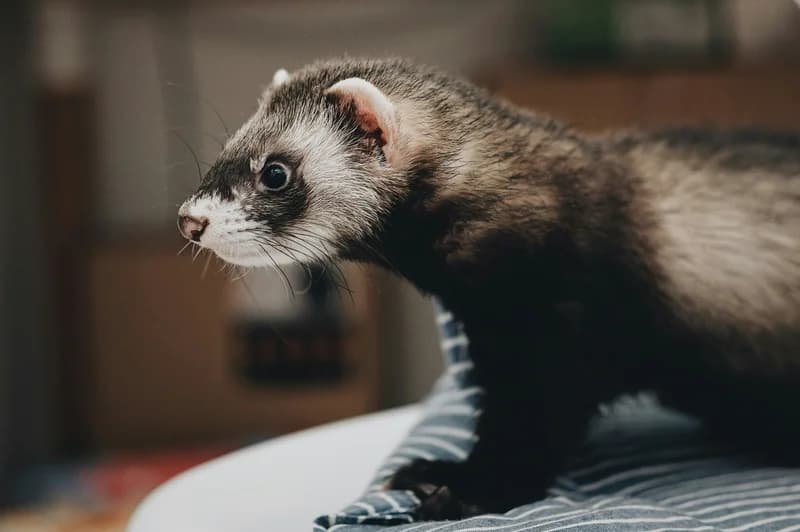
Ferret Food Sensitivities: Why 70% Over Age 3 Get Insulinoma
Up to 70% of ferrets over age 3 develop insulinoma, often from high-carb diets. Learn the ideal macros, best foods, and warning signs to protect yours.
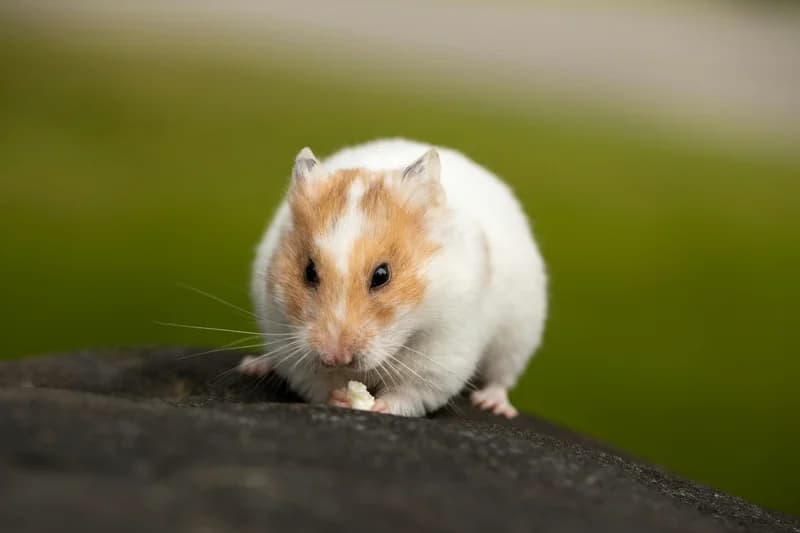
Hamster Food Allergies: Safe Foods & Ingredient Guide
Hamsters develop sensitivities to nuts, seeds, citrus, and commercial food additives. Learn safe foods, toxic ingredients, and special dwarf breed diet needs.
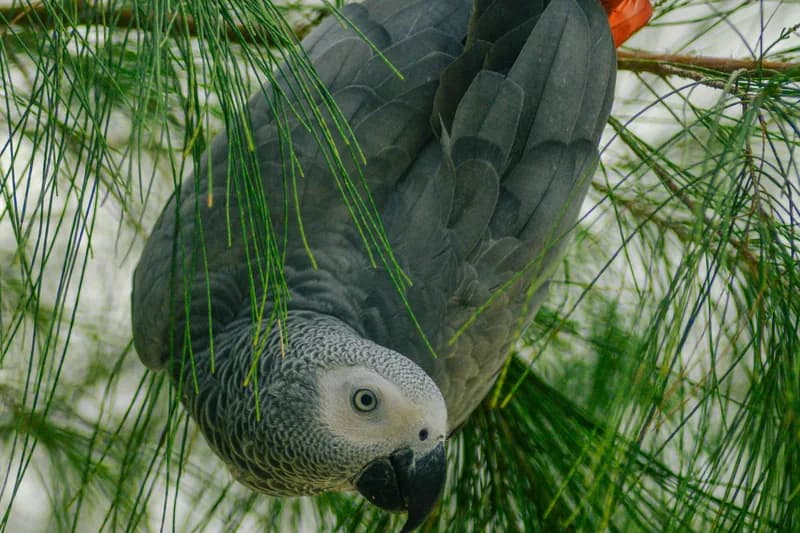
African Grey Parrot Allergies: Only 5-10% True (Calcium Is #1)
African Greys need 2-3x more calcium than other parrots — over 60% on seed diets develop seizures. Learn the critical 60/30/10 diet rule to stay safe.
Guinea Pig Food Allergies: Complete Diet & Health Guide
Guinea pigs can develop food sensitivities that disrupt their delicate digestive systems. Learn the symptoms, vitamin C considerations, and safest foods.
Cite this article
Gary Innes. (2026). Ferret Food Allergies: Protein Sensitivity & Diet Guide. Pet Allergy Scanner. Retrieved 2026-05-29T08:49:31.000Z from https://petallergyscanner.com/blog/ferret-food-allergies-protein-sensitivities/
For other citation styles or to embed our tools, see the press & citations page.
About the author — Gary Innes
Gary is a UK pet owner who built Pet Allergy Scanner after 7+ years navigating his Cockapoo's chronic food allergy — a dog whose safe diet has narrowed to salmon, venison and vegetables. He is not a veterinarian and has no veterinary or nutrition qualifications. Every article on the site is owner-to-owner research that cites primary veterinary sources (Mueller et al. BMC Vet Res 2016, ACVD, Merck Vet Manual) and defers diagnostic and treatment decisions to a vet.
Read more about Pet Allergy Scanner's editorial standards →