Pitbull Food Allergies: Skin Issues & Best Foods
Pitbull food allergy guide covering breed-specific skin issues, common triggers, severe symptom management, and best hypoallergenic foods for bully breeds.
By Gary — 7+ years managing my Cockapoo's food allergies. Sources cited below.
12 min read
Affiliate disclosure: Some links here are affiliate links — buying through them keeps the scanner free for everyone, at no cost to you.
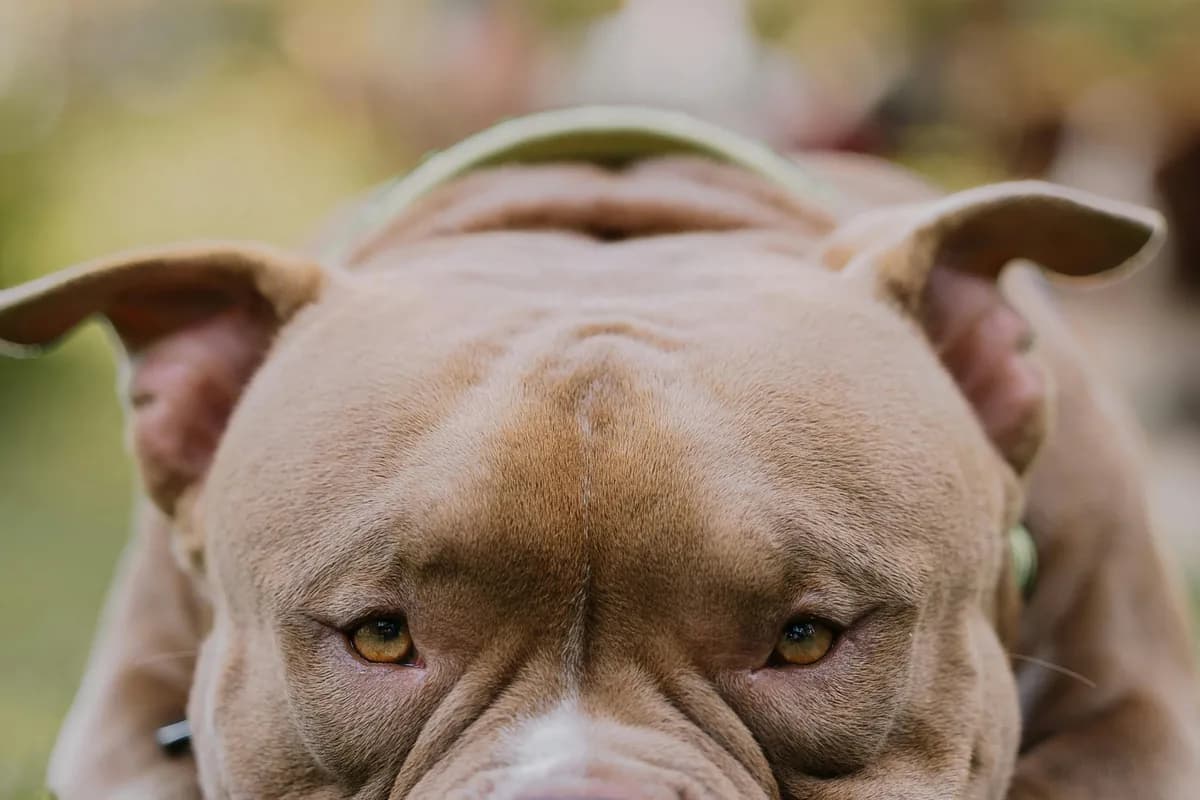
By Gary, founder of Pet Allergy Scanner. 7+ years managing pet food allergies with my Cockapoo.
Pitbulls (American Pit Bull Terriers, American Staffordshire Terriers, and Staffordshire Bull Terriers) are among the breeds most severely affected by food allergies. Their genetic predisposition, combined with skin barrier vulnerabilities and short coats that make symptoms immediately visible, creates a challenging allergy profile. This guide covers breed-specific triggers, severe skin symptom management, and the best foods for allergic Pitbulls.
Quick Answer: Pitbulls experience food allergies at 2-3 times higher rates than many other breeds, with beef (32-38%), chicken (28-34%), and dairy (24-28%) as the top triggers. Approximately 40-50% of allergic Pitbulls react to multiple proteins. Symptoms manifest primarily as severe skin issues — intense itching, hot spots, chronic infections, and recurring ear problems. Diagnosis requires an 8-12 week elimination diet with a novel protein. Limited ingredient diets like Natural Balance L.I.D. or Canidae PURE work well for single-allergen cases, while prescription hydrolyzed diets like Hill's z/d achieve 85-95% success for severe or multiple allergies.
Why Are Pitbulls So Prone to Food Allergies?
Genetic Predisposition
Pitbulls didn't always suffer from allergies at current rates. The dramatic increase in allergy prevalence among bully breeds over the past 30-40 years suggests both genetic and environmental factors at play. Pitbulls carry genetic variations affecting immune system function and skin barrier integrity. These factors make them more likely to develop IgE-mediated allergic responses to common food proteins, experience skin barrier dysfunction allowing allergens to penetrate more easily, and mount exaggerated inflammatory responses. Breeding programs focused on physical characteristics without considering immune health may have inadvertently concentrated allergy-promoting genes.
Skin Structure Vulnerabilities
Pitbulls have relatively short coats with less natural oil production than many breeds. This reduced protective barrier allows dietary and environmental allergens to penetrate skin more easily and makes them more susceptible to secondary bacterial and yeast infections when skin is compromised. The short coat does make skin issues immediately visible — which is actually helpful for early detection.
Multiple Protein Sensitivities
Approximately 40-50% of allergic Pitbulls react to multiple proteins, making management significantly more challenging. Cross-reactivity also occurs:
| Primary Allergen | Cross-Reactive With | Cross-Reactivity Rate | |---|---|---| | Chicken | Turkey | 55-60% | | Chicken | Duck | ~20% | | Beef | Bison | 10-20% | | Beef | Lamb | Variable |
This means a Pitbull allergic to chicken has over half a chance of reacting to turkey, and dogs allergic to beef may cross-react with bison. For more on allergen patterns, see the top 10 dog food allergens guide.
Breeding Line Considerations
Not all Pitbulls are equally affected. Dogs from lines with documented allergy histories show significantly higher rates. When selecting a Pitbull puppy, asking about allergy history in parents and grandparents provides valuable insight into potential risk.
What Are the Most Common Allergens and Symptoms?
Top Allergens
| Allergen | Frequency | Key Details | |---|---|---| | Beef | 32-38% | Most common trigger; widespread in commercial foods creates extensive exposure | | Chicken | 28-34% | Present in ~60% of commercial foods including many "hypoallergenic" formulas | | Dairy | 24-28% | Reactions to casein, whey, and lactose; hidden in many treats and supplements | | Wheat/Gluten | 18-22% | More frequent in Pitbulls than many other breeds | | Soy | 14-18% | Often hidden as protein extenders, texturizers, or fillers | | Eggs | 10-14% | Appears in many training treats and supplements |
Skin Symptoms
Intense itching is the hallmark — affected Pitbulls scratch, rub, and chew constantly, especially on the face, ears, paws, armpits, groin, and tail base. Hot spots develop rapidly as areas of inflamed, oozing skin from self-trauma — they can appear within hours and spread quickly. Chronic bacterial infections (pyoderma) cause pustules, crusting, hair loss, and foul odor. Yeast infections create greasy, smelly skin with darkening and thickening. Over time, hyperpigmentation, lichenification (thickening and roughening), and chronic scarring develop. Paw licking creates reddish-brown staining visible on lighter-colored Pitbulls, with swollen, infected interdigital spaces.
Ear and Digestive Symptoms
Recurring ear infections resistant to standard treatments are extremely common — they return within weeks of finishing antibiotics. Chronic otitis creates persistent inflammation making ears tender and painful. Ear hematomas can develop from violent head shaking, requiring drainage. More than 2-3 ear infections yearly warrants food allergy investigation even without dramatic skin symptoms.
Digestive symptoms include chronic diarrhea or soft stools lasting weeks, vomiting 2-6 hours after meals, excessive gas and bloating, audible intestinal sounds (borborygmi), and appetite changes where some dogs become picky eaters, avoiding foods that make them uncomfortable. For more on distinguishing skin-based patterns, see the dog skin allergies diagnostic guide.
Take action today: Use the free Pet Allergy Scanner to check your current pet food for hidden allergens and find safer alternatives.
How Do You Diagnose and Treat Food Allergies in Pitbulls?
The Elimination Diet
Veterinary literature (Mueller et al., BMC Vet Res 2016) treats the strict elimination diet as the most reliable diagnostic for canine food allergy. — 80-90% accurate. Choose a novel protein the Pitbull has never eaten (venison, rabbit, duck, kangaroo, or salmon) and stick to that food for 8-12 weeks with absolutely nothing else — no treats, table scraps, or flavored medications. Most Pitbulls show improvement by weeks 8-10.
Elimination Diet Protocol:
| Phase | Timeline | What to Do | |---|---|---| | Transition | Weeks 1-2 | Switch to elimination diet; expect some digestive adjustment | | Strict elimination | Weeks 3-8 | Single novel protein + single carbohydrate, nothing else | | Monitoring | Weeks 9-12 | Continue strict diet; most Pitbulls improve by week 8-10 | | Reintroduction | Week 13+ | Add back proteins one at a time (1-2 weeks each) to identify triggers |
Critical success factors: 100% compliance is essential — even small amounts of allergenic proteins maintain symptoms. All family members must understand the restrictions. Check heartworm preventives and supplements for beef or chicken flavoring. Monitor for access to other pets' food, garbage, or wildlife feces. For the complete protocol, see the dog elimination diet guide.
Medical Management During Diagnosis
While identifying triggers, managing existing skin damage is important:
| Treatment | Purpose | Details | |---|---|---| | Apoquel (oclacitinib) | Fast-acting itch relief | Works within 4-24 hours | | Cytopoint (lokivetmab) | Longer-term itch control | Injectable, lasts 4-8 weeks | | Antibiotics | Bacterial skin infections | Typically 3-6 week courses | | Antifungals | Yeast infections | Oral or topical | | Medicated shampoo | Surface infection control | Chlorhexidine or ketoconazole; leave on 10-15 minutes |
Prednisone (steroid) is available for severe cases but should be used cautiously and short-term.
Blood Testing Limitations
Blood IgE tests have limited accuracy for food allergies with high false-positive rates. Intradermal skin testing works primarily for environmental allergies. Most veterinary dermatologists recommend the elimination diet as the diagnostic diagnostic vets typically rely on.
Not sure about ingredients? Try the free Pet Allergy Scanner — scan any pet food label for common allergens in seconds.
What Should You Feed an Allergic Pitbull?
Nutritional Requirements
Pitbulls are active, muscular dogs with specific needs:
| Nutrient | Active Adults | Less Active | |---|---|---| | Protein | 25-30% minimum | 22-25% minimum | | Fat | 12-18% | 10-14% | | Calories (50-60 lb dog) | 1,400-1,800/day | 1,100-1,400/day |
Adequate amino acid profile is essential for maintaining muscle mass. Choose allergy-friendly formulas that still meet these requirements.
Limited Ingredient Diets
For Pitbulls with a single identified allergen:
Natural Balance L.I.D. — Duck & Potato or Venison & Sweet Potato formulas with single protein source and minimal ingredients. Good protein levels (21-24%) for active Pitbulls at an affordable price point. 30+ year track record.
Canidae PURE — 7+ protein options including salmon, duck, bison, and boar with added probiotics for digestive support. Excellent for identifying multiple safe proteins.
Wellness Simple — Single-protein salmon formula with a minimal ingredient list. Good for Pitbulls needing both novel protein and simplified ingredients.
Blue Buffalo Basics — Salmon, turkey, or duck formulas with moderate protein (20-24%). Widely available and good palatability for picky eaters.
Prescription Hydrolyzed Diets
For severe allergies or multiple protein sensitivities (common in Pitbulls), prescription hydrolyzed diets achieve 85-95% success rates. Hill's z/d uses hydrolyzed chicken liver with documented efficacy in published case-series — excellent for severe cases. Royal Canin HP uses hydrolyzed soy protein — effective when even novel proteins fail. Purina Pro Plan HA provides hydrolyzed soy protein with a single carbohydrate source. All require a prescription. Hydrolyzed diets cost $80-120/month for a 50-pound Pitbull but are often worth the investment for severely affected dogs. For more options, see the best prescription dog food for allergies guide.
Novel Protein Options
Acana Singles Duck & Pear — 50-60% meat content with single animal protein. High protein suitable for muscular Pitbulls. Also available in Lamb & Apple and Pork & Squash.
Zignature Kangaroo — Extremely novel protein with zero common allergen overlap. High protein (30-32%) suitable for active dogs. Also available in venison, duck, and 12+ other options.
Taste of the Wild Pacific Stream — Salmon-based formula with omega-3 benefits for skin health at a budget-friendly price. The High Prairie formula offers bison and venison.
For a full brand comparison, see the limited ingredient dog food comparison.
How Do You Manage Severe Skin Issues Long-Term?
Bathing Protocol
Frequent bathing helps manage symptoms significantly:
| Situation | Frequency | Shampoo Type | Contact Time | |---|---|---|---| | Active flare-up | 2-3x weekly | Medicated (chlorhexidine/ketoconazole) | 10-15 minutes | | Maintenance | Once weekly | Hypoallergenic | 5-10 minutes | | Paw soaks | Daily during flare-ups | Chlorhexidine or Epsom salt solution | 5 minutes |
The 10-15 minute contact time during medicated baths is the part most people skip, but it is the most important step for medication effectiveness. Set a timer and use that time for praise and hypoallergenic treats.
Preventing Secondary Infections
Use an e-collar to prevent self-trauma during healing. Clean bedding frequently. Daily paw soaks in chlorhexidine solution help affected paws. Regular skin checks catch early signs of infection recurrence.
Supplements
Omega-3 fatty acids (fish oil): Reduces inflammation, improves skin barrier, promotes healing. Ask your vet about the appropriate dose for your Pitbull's weight.
Probiotics: Supports gut health and may reduce food sensitivities over time. Choose veterinary-specific multi-strain formulas and confirm appropriate CFU levels with your vet.
Quercetin: A natural anti-inflammatory sometimes discussed for allergic dogs. There are no established safe dosing guidelines for dogs — ask your vet before using, and don't combine supplements without guidance.
Additional support: Vitamin E and biotin are sometimes used for skin and coat health. Confirm appropriate amounts with your vet before starting any supplement.
Expected Recovery Timeline
| Timeline | What to Expect | |---|---| | Weeks 1-2 | Begin elimination diet; symptoms may persist or worsen slightly | | Weeks 3-4 | First signs of improvement | | Weeks 6-8 | Significant improvement in most responsive dogs | | Weeks 10-12 | Near-complete resolution if correct allergens identified | | Months 4-6 | Skin completely heals, coat quality improves, secondary infections resolve |
Puppy Prevention Strategies
While genetic predisposition cannot be changed, certain strategies may reduce risk. Rotate 3-4 different protein sources during the first year to identify sensitivities early without overexposing to any single protein. Maintain strict flea control — flea allergies compound food allergies. Choose breeders who track allergies in their lines and avoid breeding dogs with severe allergy histories. Puppy-appropriate probiotics may support healthy immune development.
Honest Take
The pattern I keep seeing: Pitbulls have it rougher with food allergies than most breeds — the combination of high allergy rates, multiple protein sensitivities, and severe skin manifestations makes management genuinely challenging. The 40-50% rate of multiple protein allergies means many Pitbull owners end up on hydrolyzed diets because novel proteins alone aren't enough. The medicated bathing 2-3 times weekly during flare-ups sounds exhausting for a 50-60 pound muscular dog, and it is. But it makes the difference between a dog that's constantly miserable and one that's comfortable. Set a timer for that 10-15 minute contact time, use it for bonding with lots of praise and hypoallergenic treats, and make it a routine rather than a battle. The investment of time and effort pays off — when the right diet is identified, the transformation in skin health, energy, and temperament is dramatic.
Sources & Further Reading
- American Kennel Club — Food Allergies in Dogs — allergy identification and dietary guidance
- Merck Veterinary Manual — Food Allergy Diagnosis — clinical reference for elimination diets and dietary management
- American College of Veterinary Dermatology — dermatological testing and breed-specific allergy management protocols
- Tufts University Veterinary Nutrition — evidence-based research on limited ingredient and hydrolyzed protein diets
- BMC Veterinary Research — Adverse Food Reactions — breed prevalence data and genetic predisposition research
Related Articles
- Best Dog Food for Allergies
- Boxer Food Allergies
- Rottweiler Food Allergies
- Dog Skin Allergies Diagnostic Guide
- Limited Ingredient Dog Food Comparison
Frequently Asked Questions
Are Pitbulls More Prone to Food Allergies Than Other Breeds?
Yes. Pitbulls and bully breeds experience food allergies at rates 2-3 times higher than many other breeds, with skin manifestations being particularly severe. Genetic variations affecting immune function and skin barrier integrity contribute to this elevated risk. Not all Pitbulls are equally affected — dogs from lines with documented allergy histories show significantly higher rates.
Can a Pitbull Be Allergic to Multiple Proteins?
Yes, and this is common — approximately 40-50% of allergic Pitbulls react to multiple proteins. Cross-reactivity compounds this: chicken-allergic dogs have a 55-60% chance of reacting to turkey, and beef-allergic dogs may react to bison. This makes management more challenging and often requires hydrolyzed protein diets rather than simple novel protein switches. A thorough elimination diet with systematic reintroduction identifies all triggers.
How Long Does It Take for a Pitbull's Skin to Improve on a New Diet?
First signs of improvement typically appear at weeks 3-4. Significant improvement occurs by weeks 6-8. Full resolution including coat regrowth and secondary infection clearance takes 10-12 weeks to 4-6 months depending on severity. Do not conclude a diet has failed before completing the full 8-12 week trial.
Why Does My Pitbull Get So Many Ear Infections?
Recurring ear infections (more than 2-3 yearly) are a classic food allergy sign in Pitbulls. Food allergies cause inflammation in the ear canal, creating a warm, moist environment where bacteria and yeast thrive. The infections recur because the underlying dietary trigger hasn't been addressed — treating with antibiotics alone doesn't resolve the root cause.
Is Grain-Free Food Better for Allergic Pitbulls?
Not necessarily. True grain allergies affect only 18-22% of allergic Pitbulls — protein allergies (beef, chicken, dairy) are far more common. The FDA investigated potential links between grain-free diets and heart disease in dogs. Focus on identifying the specific allergen through an elimination diet rather than defaulting to grain-free.
How Much Does It Cost to Manage a Pitbull's Food Allergies?
| Expense | Cost Range | |---|---| | Elimination diet food (8-12 weeks) | $150-$400 | | Limited ingredient diet (monthly) | $60-$90 | | Hydrolyzed prescription diet (monthly) | $80-$120 | | Omega-3 supplements (monthly) | $15-$35 | | Medicated shampoo | $15-$25 per bottle | | Veterinary dermatology visit | $150-$300 |
Long-term costs decrease significantly once the right diet is identified and secondary infections resolve — fewer emergency vet visits, less medication, and better quality of life.
Is your pet's food safe?
Upload a photo of any pet food label and find out what's safe in seconds.
Try free scanFound this useful? Save it or share it with another pet owner.
Continue Reading

Boxer Food Allergies: Why 15-20% of Boxers Are Affected
Boxers have 4-5x higher food allergy rates than mixed breeds. Learn the common triggers, breed-specific symptoms, and best hypoallergenic Boxer foods.
Rottweiler Food Allergies: Beef #1 Trigger (30-35% Affected)
Rottweiler food allergy guide covering breed-specific symptoms, large breed dietary needs, joint health during elimination diets, and bloat prevention.
Dog Skin Allergies from Food: Complete Diagnostic Guide
Over 60% of dogs with food allergies show skin symptoms first. Learn to identify dermatological signs, navigate diagnostic testing, and find lasting relief.
Schnauzer Food Allergies: Miniature, Standard & Giant Guide
16-20% of Schnauzers develop food allergies, but Miniatures face a double challenge — pancreatitis requires low-fat diets that conflict with many allergy foods.
Cite this article
Gary Innes. (2026). Pitbull Food Allergies: Skin Issues & Best Foods. Pet Allergy Scanner. Retrieved 2026-05-29T08:49:31.000Z from https://petallergyscanner.com/blog/pitbull-food-allergies-skin-complete-guide/
For other citation styles or to embed our tools, see the press & citations page.
About the author — Gary Innes
Gary is a UK pet owner who built Pet Allergy Scanner after 7+ years navigating his Cockapoo's chronic food allergy — a dog whose safe diet has narrowed to salmon, venison and vegetables. He is not a veterinarian and has no veterinary or nutrition qualifications. Every article on the site is owner-to-owner research that cites primary veterinary sources (Mueller et al. BMC Vet Res 2016, ACVD, Merck Vet Manual) and defers diagnostic and treatment decisions to a vet.
Read more about Pet Allergy Scanner's editorial standards →