Dog Skin Allergies from Food: Complete Diagnostic Guide
Over 60% of dogs with food allergies show skin symptoms first. Learn to identify dermatological signs, navigate diagnostic testing, and find lasting relief.
By Gary — 7+ years managing my Cockapoo's food allergies. Sources cited below.
10 min read
Affiliate disclosure: Some links here are affiliate links — buying through them keeps the scanner free for everyone, at no cost to you.
By Gary, founder of Pet Allergy Scanner. 7+ years managing pet food allergies with my Cockapoo.
Around 60-70% of dogs with food allergies show skin symptoms as their primary or only manifestation in published case-series (Mueller et al., BMC Vet Res 2016), and these signs are often mistaken for environmental allergies or parasites. This guide covers the dermatological signs, the diagnostic protocol, and the treatment approach that actually works.
Quick Answer: Dog skin allergies from food manifest as persistent year-round itching (face, ears, paws, belly), recurring ear infections, hot spots, and secondary skin infections. The majority of food-allergic dogs show skin symptoms first (Mueller et al., BMC Vet Res 2016). Diagnosis requires a strict elimination diet trial (8-12 weeks) followed by systematic food challenges (Olivry, Mueller & Prélaud, 2015), as blood tests have substantial false-positive rates described in published comparisons. Treatment involves permanent allergen avoidance, skin barrier repair with omega-3 supplementation, infection control, and itch relief medications during the diagnostic period.
Why Do Food Allergies Cause Skin Problems?
When a dog has a food allergy, the immune system mistakenly identifies a harmless protein — chicken, beef, or dairy — as a threat. This triggers an inflammatory cascade:
| Step | What Happens | |------|-------------| | 1. Protein exposure | Dog eats food containing the allergen protein | | 2. Immune activation | IgE antibodies recognize and bind to the protein (within 30 min to 2 hours) | | 3. Histamine release | Mast cells in the skin release histamine and inflammatory mediators | | 4. Inflammation | Blood vessels dilate, skin becomes red and swollen | | 5. Itch response | Histamine activates itch receptors, causing intense scratching | | 6. Barrier breakdown | Scratching damages the protective skin barrier | | 7. Secondary infection | Bacteria and yeast colonize the damaged skin, worsening symptoms |
Unlike environmental allergies that can be seasonal, food allergy dermatitis is year-round and persistent because the dog encounters the trigger ingredient daily in meals. This year-round consistency is the most important diagnostic clue. For more on telling these apart, see the seasonal vs food allergies guide.
What Are the Key Skin Symptoms of Food Allergies?
The 8 Hallmark Signs
| Symptom | What to Look For | Diagnostic Clue | |---------|-----------------|-----------------| | 1. Intense year-round itching | Scratching, licking, chewing, rubbing — face, ears, paws, armpits, groin, belly | Same intensity regardless of season = food allergy | | 2. Chronic ear infections | Recurring infections (red, swollen, smelly ears) that return within days/weeks of treatment | More than 3-4x/year despite treatment = investigate food allergies | | 3. Hot spots | Sudden red, moist, oozing patches — extremely painful, appear overnight | Cheeks, neck, hips, tail base — cycle of inflammation/scratching/infection | | 4. Paw inflammation | Red, swollen paws with brown/rust saliva staining, obsessive licking | Interdigital cysts develop in chronic cases | | 5. Hair loss | Patchy or symmetrical alopecia from constant scratching/licking | Often symmetrical — ears, face, belly, limbs | | 6. Skin thickening/darkening | Leathery, elephant-like texture with dark pigmentation (lichenification) | Indicates allergies present for months or years | | 7. Hives/facial swelling | Raised red welts or sudden face/lip/eyelid swelling (within 30 min to 2 hours of eating) | Severe swelling = medical emergency | | 8. Secondary infections | Bacterial pyoderma (pustules, crusting) or yeast (greasy, smelly, dark skin) | Scratching damages skin barrier, allowing bacterial/yeast colonization |
For more on hot spot treatment, see the hot spots treatment guide. For paw-specific symptoms, see why is my dog licking paws. For ear infection details, see the ear infections guide.
Take action today: Use the free Pet Allergy Scanner to check your current pet food for hidden allergens and find safer alternatives.
How Are Food-Related Skin Allergies Diagnosed?
Step 1: Rule Out Other Causes (2-4 Weeks)
Before assuming food allergies, the vet must exclude:
| Condition | How It's Ruled Out | |-----------|-------------------| | Flea allergy dermatitis | Skin scraping, flea comb, prevention trial | | Environmental allergies (atopy) | Consider seasonality, intradermal skin testing | | Parasites (Sarcoptes, Demodex) | Skin scrapings, fungal cultures | | Bacterial/yeast infections | Cytology (skin cells under microscope) | | Hormonal disorders | Blood tests (thyroid, Cushing's disease) | | Autoimmune conditions | Skin biopsy if immune-mediated disease suspected |
Step 2: Elimination Diet Trial — The Reference Diagnostic (8-12 Weeks)
The only reliable diagnostic method. Feed a diet with proteins the dog has never eaten for 8-12 weeks minimum, with absolutely nothing else — no treats, table scraps, flavoured medications, or dental chews.
Diet options: Novel protein (venison, duck, kangaroo, rabbit) with a single carbohydrate (sweet potato, peas, tapioca), or prescription hydrolyzed diet (Hill's z/d or Royal Canin Hydrolyzed Protein).
Expected timeline:
| Weeks | What to Expect | |-------|---------------| | 1-4 | Symptoms may persist or even worsen initially | | 4-8 | Gradual improvement — 50-80% reduction in itching, redness, inflammation | | 8-12 | Further improvement, skin healing, hair regrowth |
If food allergies are the cause, the majority of dogs show significant improvement by week 8 in published trials (Olivry, Mueller & Prélaud, 2015). For the full step-by-step protocol, see the elimination diet guide.
Step 3: Food Challenge (Provocation Testing)
Once symptoms clear, systematically reintroduce individual ingredients to identify triggers:
- Continue the novel protein diet as baseline
- Add ONE suspected allergen (e.g., chicken) for 7-14 days
- If itching returns (usually within 24-48 hours), that ingredient is confirmed as a trigger
- Return to elimination diet for 1-2 weeks until symptoms resolve
- Test the next ingredient
Most common triggers identified: chicken (most common), beef, dairy products, wheat, egg, soy.
A Note on Blood and Skin Tests
Blood IgE tests and intradermal skin tests are designed for environmental allergies, not food allergies. Substantial false-positive rates for food allergens are described in published comparisons (Mueller et al., BMC Vet Res 2016). They can be helpful for identifying concurrent environmental allergies or guiding initial protein selection, but they cannot replace the elimination diet for diagnosis (Olivry, Mueller & Prélaud, 2015).
Not sure about ingredients? Try the free Pet Allergy Scanner — scan any pet food label for common allergens in seconds.
What Does Treatment Look Like?
The 4-Pillar Approach
Pillar 1: Allergen Avoidance (Most Important)
Once trigger ingredients are identified, permanent avoidance is essential. Select foods containing only safe proteins — Natural Balance L.I.D. or Wellness Simple are good starting points. Read labels carefully — watch for hidden ingredients like "chicken fat," "poultry by-products," and "natural flavoring." Ensure everyone who handles the dog knows the dietary restrictions.
Pillar 2: Skin Barrier Repair
| Treatment | Details | |-----------|---------| | Medicated shampoos | Weekly baths with chlorhexidine or benzoyl peroxide (antimicrobial) | | Moisturizing rinses | Oatmeal-based or ceramide-containing conditioners | | Omega-3 fatty acids | Fish oil (Nordic Naturals Omega-3 Pet) — veterinary literature commonly cites combined EPA + DHA in the 50-100 mg/kg/day range for canine allergic skin disease, but confirm the dose with your vet before starting (overdose risks bleeding and GI upset, and the figure varies by product concentration) | | Topical therapy | Hydrocortisone spray or mousse for localized hot spots (short-term only) |
Pillar 3: Infection Control
| Infection Type | Treatment | Duration | |---------------|-----------|----------| | Bacterial pyoderma | Oral antibiotics (cephalexin, clindamycin) | 3-6 weeks | | Yeast (Malassezia) | Ketoconazole or fluconazole | 2-4 weeks | | Ear infections | Topical otic solutions (antibiotic + antifungal) | Per vet guidance |
Regular cytology at recheck appointments ensures infections are cleared.
Pillar 4: Itch Relief During Diagnosis
| Medication | How It Works | Effectiveness | |-----------|-------------|---------------| | Apoquel (oclacitinib) | JAK inhibitor — reduces itching within 4-24 hours | ~80% of dogs | | Cytopoint (lokivetmab) | Monthly injection blocking IL-31 (itch signal) — lasts 4-8 weeks | Minimal side effects | | Antihistamines (Benadryl, Zyrtec, Claritin) | Blocks histamine receptors | ~20-30% of dogs | | Corticosteroids (prednisone) | Strong anti-inflammatory for severe flares | Use sparingly (weight gain, thirst, immune suppression) |
These are supportive therapy — they should be tapered off once the allergen is removed from the diet.
Long-Term Outlook
| Timeline | Expected Results | |----------|-----------------| | Weeks 1-12 | 50-90% reduction in scratching, decreased redness, fewer ear infections | | Months 3-6 | Hair regrowth in bald areas, skin thickening resolves, secondary infections rare | | 6+ months | 70-80% become symptom-free; 15-20% need occasional itch medication; 5-10% also have environmental allergies |
Estimated Costs
| Item | Cost Range | |------|-----------| | Initial diagnostic workup | $200-500 | | 12-week prescription elimination diet | $300-600 | | Medications for secondary infections | $100-300 | | Follow-up visits | $100-200 each | | Total first-year cost | $800-2,000 | | Ongoing annual cost (specialized food) | $400-800 |
What Mistakes Should You Avoid During Diagnosis?
Breaking the elimination diet — even a single treat or table scrap can trigger symptoms for 2-4 weeks, effectively restarting the clock. 100% compliance is non-negotiable for 8-12 weeks.
Giving up too soon — many owners stop at 4-6 weeks because improvement seems slow. Antibody levels take 8-12 weeks to decline and skin takes time to heal. Commit to the full trial.
Relying on blood tests alone — food allergy blood tests have substantial false-positive rates described in published comparisons (Mueller et al., BMC Vet Res 2016). The elimination diet with food challenges is the most reliable diagnostic method described in veterinary dermatology literature (Olivry, Mueller & Prélaud, 2015).
Forgetting hidden ingredients — flavoured heartworm preventatives, dental chews, supplements, and even toothpaste can contain allergens. Check everything and switch to unflavoured alternatives during the trial.
Not treating secondary infections — active skin infections cause ongoing inflammation and itching even if the diet is correct. Infections need aggressive treatment alongside the elimination diet.
When to See a Veterinary Dermatologist
Consider a board-certified dermatologist (DACVD) if symptoms don't improve after a 12-week elimination diet, multiple concurrent skin conditions are suspected, symptoms are severe or rapidly worsening, or unusual skin lesions are present. Dermatologists offer advanced diagnostics (skin biopsy, specialized cultures), immunotherapy, and expertise in complex multi-allergy cases.
Honest Take
The pattern I keep seeing: The food allergy showed up as skin problems first — itchy ears, then paw licking, then a hot spot behind his ear. The vet initially treated each symptom individually: ear drops, anti-itch spray, antibiotics for the hot spot. It took three months of chasing symptoms before connecting them all to food allergies (the longer write-up of our seven-year arc covers what we tried). The elimination diet was the turning point — 12 weeks of strict compliance that felt endless, but by week 8, the skin was visibly improving. The challenge phase confirmed chicken was the trigger. Identifying the root cause turned months of recurring treatments into a simple dietary change. If the same skin problems keep coming back despite treatment, push for food allergy investigation rather than treating individual symptoms indefinitely.
Sources & Further Reading
- American Kennel Club — Food Allergies in Dogs — allergy identification and dermatological signs
- Merck Veterinary Manual — Food Allergy Diagnosis — clinical reference for elimination diet protocols and skin manifestations
- American College of Veterinary Dermatology — dermatitis diagnosis, allergy testing, and specialist referral
- Tufts University Veterinary Nutrition — evidence-based guidance on elimination diets and hydrolyzed protein diets
- BMC Veterinary Research — Adverse Food Reactions — food allergy prevalence and dermatological presentation data
Related Articles
- Best Dog Food for Allergies
- Dog Hot Spots Treatment Guide
- Seasonal vs Food Allergies in Dogs
- Dog Elimination Diet Guide
- Best Dog Allergy Testing Services
Frequently Asked Questions
How Long Does It Take to See Skin Improvement on an Elimination Diet?
Digestive symptoms often improve within 2-4 weeks, but skin symptoms take longer. Expect gradual improvement from weeks 4-8, with significant results by weeks 8-12. Hair regrowth in previously bald areas takes an additional 2-4 weeks after symptoms resolve. The full 12-week commitment is essential.
Can Food Allergies Develop Suddenly in Older Dogs?
Yes. While most food allergies develop between ages 1-5, dogs can develop new allergies at any age — even to foods eaten for years without problems. Sensitization builds over time through repeated exposure, so sudden onset after years of the same food is actually the typical pattern.
Are Grain-Free Diets Better for Dogs with Skin Allergies?
Not necessarily. Grains are described as a comparatively minor cause of food allergy in dogs — proteins (chicken, beef, dairy) are reported as the primary triggers in the large majority of cases in published case-series (Mueller et al., BMC Vet Res 2016). Choose foods based on specific identified allergens through elimination diet testing, not marketing claims about grain-free formulas.
Can I Do a Home-Cooked Elimination Diet?
Yes, but it requires careful planning with a veterinary nutritionist to ensure nutritional completeness. Cook a novel protein (venison, rabbit) with a single carbohydrate (sweet potato) plus necessary vitamin and mineral supplements. Without proper supplementation, home-cooked diets can cause nutritional deficiencies over the 8-12 week trial.
Will My Dog Always Have Food Allergies?
Yes — food allergies are lifelong conditions. Once the immune system is sensitized to a protein, it remains reactive. However, with strict allergen avoidance, 70-80% of dogs live completely symptom-free. The key is permanent dietary change, not a temporary fix.
How Much Does Diagnosing and Treating Food Skin Allergies Cost?
Initial diagnostic workup runs $200-500. A 12-week prescription elimination diet costs $300-600. Medications for secondary infections add $100-300. Follow-up visits are $100-200 each. Total first-year cost typically ranges $800-2,000. Ongoing annual costs for specialized food run $400-800 for a medium-sized dog.
Is your pet's food safe?
Upload a photo of any pet food label and find out what's safe in seconds.
Try free scanFound this useful? Save it or share it with another pet owner.
Continue Reading
Dog Hot Spots: Fast Treatment Guide & Prevention
Hot spots can double in size within hours if untreated. Learn emergency treatment steps and how to break the scratch-lick cycle that makes them spread.

Seasonal vs Food Allergies in Dogs: How to Tell the Difference
Learn how to distinguish seasonal from food allergies in dogs. Covers timing patterns, symptom differences, diagnostic testing, and treatment approaches.
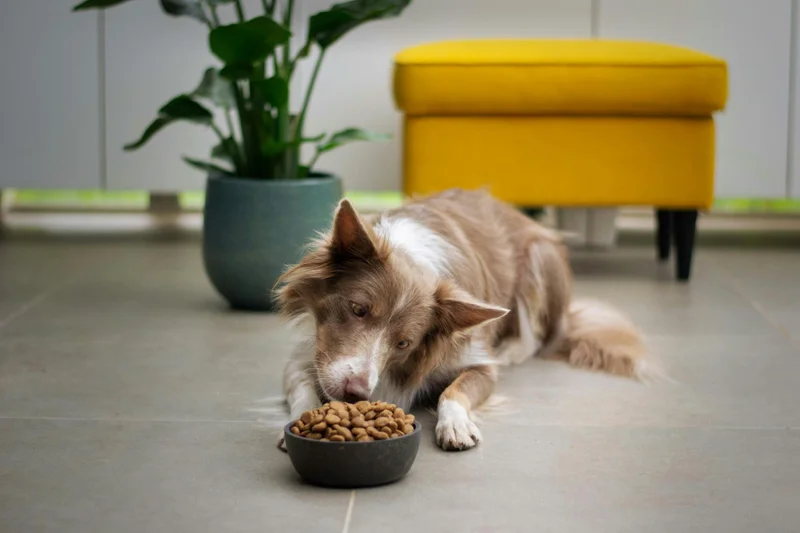
Dog Elimination Diet: An 8-12 Week Owner's Guide
An owner's walk-through of the elimination diet — what your vet may recommend, the 8-12 week protocol they'll commonly outline, and the mistakes that wreck a trial.

Best Dog Food for Allergies: Complete Guide & Reviews
Beef and chicken cause 65%+ of canine food allergies. Compare 10 limited ingredient, hydrolyzed, and novel protein diets with the exact foods vets recommend.
Cite this article
Gary Innes. (2026). Dog Skin Allergies from Food: Complete Diagnostic Guide. Pet Allergy Scanner. Retrieved 2026-07-06T22:16:44.000Z from https://petallergyscanner.com/blog/dog-skin-allergies-food-diagnostic-guide/
For other citation styles or to embed our tools, see the press & citations page.
About the author — Gary Innes
Gary is a UK pet owner who built Pet Allergy Scanner after 7+ years navigating his Cockapoo's chronic food allergy — a dog whose safe diet has narrowed to salmon, venison and vegetables. He is not a veterinarian and has no veterinary or nutrition qualifications. Every article on the site is owner-to-owner research that cites primary veterinary sources (Mueller et al. BMC Vet Res 2016, ACVD, Merck Vet Manual) and defers diagnostic and treatment decisions to a vet.
Read more about Pet Allergy Scanner's editorial standards →