Why Is My Dog Licking Their Paws? Complete Guide
Why dogs lick their paws excessively covering allergies as the top cause, food vs environmental triggers, brown saliva staining, and treatment options.
By Gary — 7+ years managing my Cockapoo's food allergies. Sources cited below.
10 min read
Affiliate disclosure: A handful of the product links in this article are affiliate links. They cost you nothing extra and help fund the scanner tool.
By Gary, founder of Pet Allergy Scanner. 7+ years managing pet food allergies with my Cockapoo.
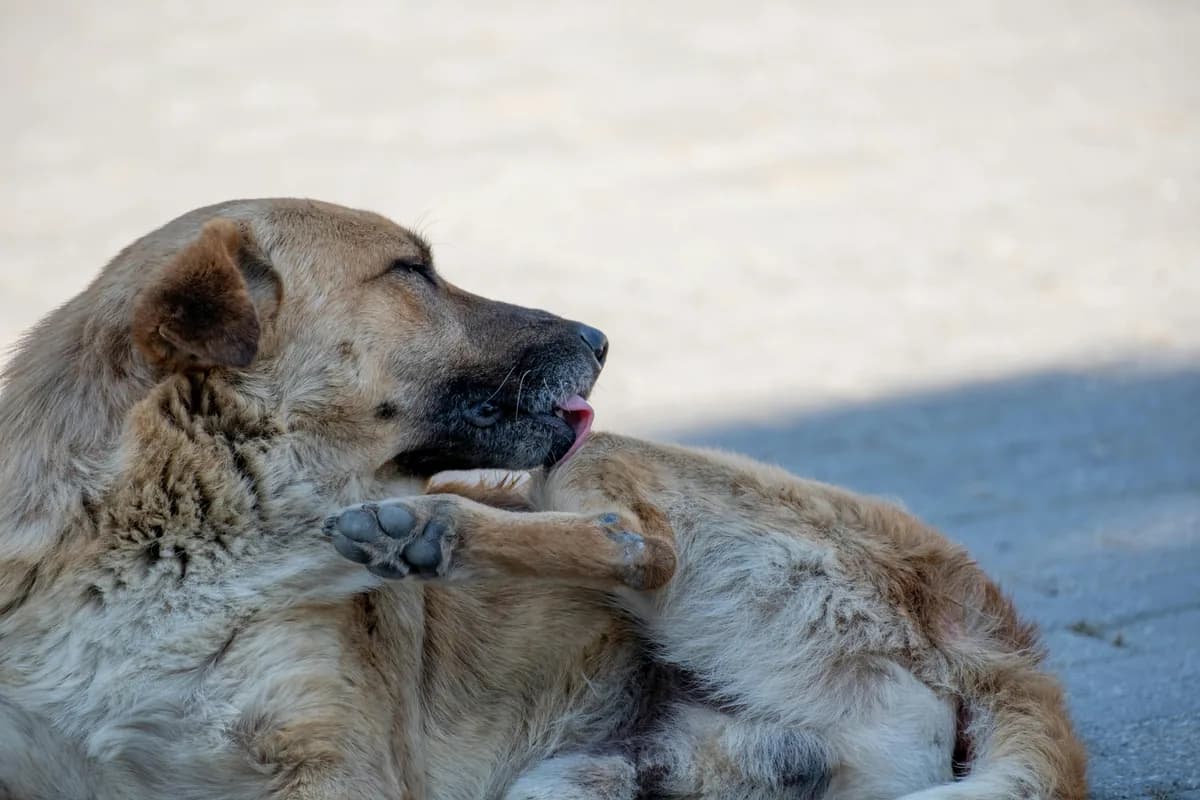
Excessive paw licking is one of the top three signs of allergies in dogs. About 70% of chronic paw licking cases trace back to environmental or food allergies — the remaining cases involve yeast infections, contact irritants, foreign bodies, injuries, or behavioral causes. Understanding which cause is driving the licking determines whether the solution is a diet change, medication, environmental management, or veterinary treatment. This guide covers the common causes in order of likelihood, how to tell allergies from other issues, and what to do about each.
Quick Answer: Approximately 70% of excessive paw licking is caused by allergies — environmental (dust mites, pollen, mold) or food-related (chicken, beef, dairy). Brown saliva staining between toes confirms chronic licking. Food allergies cause year-round symptoms and require an 8-12 week elimination diet for diagnosis. Environmental allergies respond to medications like Apoquel or Cytopoint. Yeast infections are often secondary to allergies and need concurrent treatment. For help distinguishing food from environmental allergies, see the seasonal vs food allergies guide.
What Causes Excessive Paw Licking in Dogs?
Allergies (Most Common)
Environmental allergies (atopic dermatitis) account for the majority of chronic paw licking. When allergic dogs contact or inhale allergens — dust mites, mold spores, grass pollen, tree pollen — their immune system overreacts, causing intense itching that concentrates in the paws, ears, and groin. Environmental allergies typically start between ages 1-3, affect multiple paws, and often come with ear infections and facial itching. Seasonal patterns (worse in spring or fall) point to pollen triggers, while year-round symptoms suggest dust mites or mold.
Food allergies also commonly cause paw licking, usually alongside ear infections and digestive symptoms. The most common triggers are chicken (15-20%), beef (13-15%), dairy (10-12%), wheat, egg, and soy. Food allergy symptoms persist year-round with no seasonal variation and do not respond to antihistamines. For more on allergen patterns, see the top 10 dog food allergens guide.
Yeast Infections
Yeast (Malassezia) naturally lives on dog skin in small numbers. When allergic inflammation changes skin conditions, yeast overgrows — especially in warm, moist areas like between the toes. Signs include brown or red discoloration between toes, a musty "corn chip" odor, and greasy skin. Yeast infections are almost always secondary to allergies and require treatment alongside the underlying allergy.
Other Causes
Contact irritants — lawn chemicals, de-icing salts, carpet cleaners, hot pavement — cause paw-specific reactions that improve when exposure stops. Foreign bodies (grass seeds, thorns, splinters) cause sudden onset licking usually affecting one paw with possible limping. Injuries (cuts, broken nails, burns) also cause sudden single-paw licking. Behavioral licking from boredom or anxiety exists but is far less common than most people assume — medical causes should be ruled out before concluding the problem is behavioral.
Take action today: Use the free Pet Allergy Scanner to check your current pet food for hidden allergens and find safer alternatives.
How Do You Tell If Paw Licking Is from Allergies?
The Brown Staining Signal
Brown or rust-colored staining on paws — especially between the toes — is the telltale sign of chronic allergic licking. Saliva contains porphyrins (iron-containing compounds) that oxidize and stain fur when deposited repeatedly. The staining itself is harmless, but it confirms the licking has been happening for weeks or longer and indicates an ongoing allergic process. Brown-stained paws almost always indicate allergies or secondary yeast overgrowth — usually both.
Food Allergy vs. Environmental Allergy Patterns
Food allergy indicators: Year-round symptoms with no seasonal variation. Paw licking plus digestive symptoms (soft stools, gas, vomiting). No improvement with antihistamines. Symptoms that persist regardless of environmental changes. Multiple body areas affected (paws, ears, face, belly).
Environmental allergy indicators: Seasonal patterns — worse during specific pollen seasons, improving in winter. Response to antihistamines (30-50% of dogs with environmental allergies improve). Symptoms that worsen after time outdoors. May affect paws primarily without digestive involvement.
Both present (30-40% of allergic dogs): Year-round baseline symptoms with seasonal worsening. Partial improvement with environmental allergy treatment but never complete resolution. For a detailed comparison, see the seasonal vs food allergies guide. For help with skin-specific patterns, see the dog skin allergies diagnostic guide.
Breeds at Higher Risk
West Highland White Terriers, French Bulldogs, English Bulldogs, Golden Retrievers, Labrador Retrievers, German Shepherds, Boxers, Cocker Spaniels, and Shih Tzus all have higher rates of allergic paw licking. Breed predisposition makes allergies the most likely cause in these dogs.
Why Paws Get Hit Harder Than Other Body Areas
Allergic dogs lick everywhere, but paws tend to take the worst of it for a few anatomical reasons:
- High concentration of mast cells in paw tissue means more histamine release whenever allergens are circulating, which produces stronger localized itching.
- Thin skin between the toes has less protective barrier function than thicker skin elsewhere on the body, so allergens trigger inflammation more easily there.
- Constant ground contact layers secondary irritants — pollen, grass, lawn chemicals, cleaning residues — on top of the underlying allergic process.
- Poor air circulation between the toes creates a warm, moist environment that yeast and bacteria love once licking has compromised the skin barrier.
Watch for Interdigital Cysts
Chronic licking often produces interdigital cysts — small, painful, fluid-filled bumps between the toes that form when hair follicles become inflamed and infected from constant moisture. They tend to recur until the underlying allergy is controlled. If you spot a cyst, get it examined rather than waiting it out; secondary infections in cysts often need antibiotics.
How Do You Diagnose the Cause?
The veterinarian will inspect between all toes for redness, swelling, discharge, and foreign bodies. Skin cytology (tape prep) identifies yeast and bacteria. Skin scrapings check for mites (Demodex). The examination should include ear canals and other skin areas — paw licking rarely occurs in isolation when allergies are the cause.
For environmental allergies: Intradermal skin testing (85-90% accurate) identifies specific environmental triggers and guides immunotherapy. Blood IgE testing (70-80% accurate) is an alternative for dogs that cannot tolerate sedation for skin testing.
For food allergies: The elimination diet is the only reliable method — 80-90% accurate. Choose a novel protein the dog has never eaten and stick to that food for 8-12 weeks. Blood tests and at-home sensitivity tests are not reliable for food allergy diagnosis. For the complete protocol, see the dog elimination diet guide.
Not sure about ingredients? Try the free Pet Allergy Scanner — scan any pet food label for common allergens in seconds.
How Do You Treat Paw Licking Based on the Cause?
For Environmental Allergies
Immediate relief: Apoquel (oclacitinib) reduces itching within 4-24 hours. Cytopoint injections block itch signals for 4-8 weeks. Paw soaks after walks remove surface allergens. Medicated wipes between the toes help reduce yeast and bacteria.
Long-term management: Immunotherapy (allergy shots or drops) based on intradermal test results modifies the underlying immune response — 60-80% success rate over 6-12 months. Environmental modifications (air purifiers, frequent bedding washing, dust mite control) reduce exposure. Regular paw rinsing after every walk prevents allergen accumulation.
For Food Allergies
Dietary change is the only effective treatment. Once specific trigger ingredients are identified through the elimination diet, permanent avoidance resolves paw licking in most dogs. Limited ingredient diets like Wellness Simple Salmon or Natural Balance L.I.D. avoid common triggers. For dogs allergic to multiple proteins, prescription hydrolyzed diets like Hill's z/d or Royal Canin HP break proteins below the allergy threshold. For more options, see the best dog food for allergies guide.
For Yeast Infections
Antifungal topicals (medicated shampoos, mousses, wipes), paw soaks with antifungal solution, and oral antifungals for severe cases all treat the yeast directly. However, the critical step is addressing the underlying allergy — otherwise yeast recurs because the inflamed skin continues creating conditions for overgrowth.
For Other Causes
Contact irritants: Identify and avoid the trigger. Rinse paws after walks. Paw wax before walks provides a protective barrier. Foreign bodies: Veterinary removal if deep, wound care, antibiotics if infected. Behavioral: Only pursue after ruling out all medical causes — increase exercise and mental stimulation, address underlying anxiety, consult a veterinary behaviorist for severe cases.
How Do You Manage Allergy-Related Paw Licking Long-Term?
Paw Care Routine
Rinse or wipe paws after every walk to remove environmental allergens. Keep fur between toes trimmed to reduce moisture and allergen trapping. Regular nail trimming prevents pressure issues. Check paws after walks for foreign bodies. Moisturize dry pads with pet-safe paw balm. Omega-3 supplements support overall skin barrier health.
Monitoring for Flare-Ups
Even with proper management, seasonal changes or accidental allergen exposure can trigger flare-ups. Keep antihistamines available at a veterinarian-approved dose. Have medicated paw soak solution ready. Monitor for increased licking, redness, or odor — early intervention prevents secondary infections from developing. If paw licking suddenly worsens on a previously stable diet, check whether the food manufacturer changed the formula.
When to Reassess
If paw licking persists despite 8-12 weeks of dietary change, the dog may have environmental allergies rather than (or in addition to) food allergies, or the elimination diet protein may not be truly novel. If environmental allergy medications reduce but do not eliminate paw licking, a concurrent food allergy may be present. Comprehensive management of both types simultaneously is often needed.
Honest Take
Paw licking is allergies until proven otherwise. The mistake that delays diagnosis most often is treating it as a behavioural issue — boredom, anxiety, habit — without first ruling out allergic and medical causes. Behavioural licking exists but is far less common than allergic licking; a meaningful number of dogs treated for "anxiety" turn out to have undiagnosed food allergies that resolve when the diet changes.
The second mistake is treating only the secondary yeast infection without addressing the underlying allergy. The yeast comes back within weeks because the inflamed skin keeps regenerating the conditions yeast needs. Start with a vet exam, treat active infections, then run the food and environmental investigation properly. That sequence identifies the cause in the great majority of paw-licking cases.
Sources & Further Reading
- American Kennel Club — Food Allergies in Dogs — allergy identification and dietary guidance
- Merck Veterinary Manual — Food Allergy in Small Animals — clinical reference for elimination diets and allergy management
- American College of Veterinary Dermatology — dermatological testing and allergy management protocols
- Tufts University Veterinary Nutrition — evidence-based research on elimination diets and novel protein foods
- BMC Veterinary Research — Adverse Food Reactions — allergen prevalence data and dermatological research
Related Articles
- Best Dog Food for Allergies
- Dog Ear Infections Guide
- Seasonal vs Food Allergies in Dogs
- Dog Skin Allergies Diagnostic Guide
- Limited Ingredient Dog Food Comparison
Frequently Asked Questions
Is Paw Licking Always a Sign of Allergies?
Not always, but allergies are the cause in approximately 70% of chronic paw licking cases. Other causes include yeast infections (often secondary to allergies), contact irritants, foreign bodies, injuries, and behavioral issues. If the licking affects multiple paws, persists for more than a few days, and comes with brown saliva staining, allergies are the most likely explanation.
What Does Brown Staining on Paws Mean?
Brown or rust-colored staining on paws indicates chronic licking. Saliva contains porphyrins — iron-containing compounds that oxidize and stain fur when deposited repeatedly. The staining confirms the problem has been ongoing and almost always points to allergies or secondary yeast overgrowth. The staining fades as new fur grows in once the underlying cause is treated.
Can Food Allergies Cause Paw Licking Without Other Symptoms?
Yes, though it is more common for food allergies to affect multiple body areas. Some dogs present primarily with paw licking plus ear infections and no obvious digestive symptoms. If paw licking is year-round with no seasonal pattern and does not respond to environmental allergy treatment, an elimination diet trial is warranted even without other obvious symptoms.
How Long Does It Take for Paw Licking to Stop After Changing Food?
If food allergies are the cause, paw licking typically decreases within 4-6 weeks of starting an appropriate elimination diet, with significant improvement by 8-12 weeks. The brown saliva staining takes longer to fade — new fur must grow in, which can take 2-3 months after the licking stops. If no improvement occurs after 12 weeks, food allergies may not be the primary cause.
Should Paw Licking Be Treated as Anxiety Before Ruling Out Allergies?
No. Medical causes — allergies, yeast infections, foreign bodies, injuries — should be ruled out before concluding paw licking is behavioral. Many dogs treated for "anxiety" or "boredom" actually have undiagnosed allergies that respond to dietary changes or allergy medication. Behavioral licking exists but is far less common than allergic licking.
Do Antihistamines Help with Allergy-Related Paw Licking?
Antihistamines (Benadryl, Zyrtec, Claritin) help 30-50% of dogs with environmental allergies but provide minimal relief for food allergies. If antihistamines reduce paw licking during certain seasons, environmental allergies are likely. If they provide no improvement, food allergies or severe atopy is more probable. Medications like Apoquel or Cytopoint are more effective for moderate-to-severe allergic paw licking.
Is your pet's food safe?
Upload a photo of any pet food label and find out what's safe in seconds.
Try free scanFound this useful? Save it or share it with another pet owner.
Continue Reading
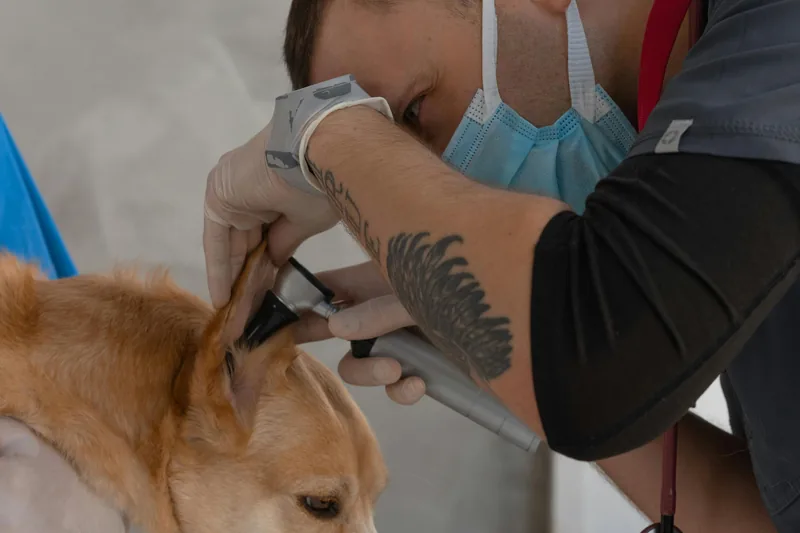
Dog Ear Infections: Causes, Symptoms & Treatment Guide
Ear infections are one of the top 5 reasons dogs visit vets — 80% are driven by underlying allergies. Causes, symptoms, treatment, and breaking the cycle.
Dog Hot Spots: Fast Treatment Guide & Prevention
Hot spots can double in size within hours if untreated. Learn emergency treatment steps and how to break the scratch-lick cycle that makes them spread.
Seasonal vs Food Allergies in Dogs: How to Tell the Difference
Learn how to distinguish seasonal from food allergies in dogs. Covers timing patterns, symptom differences, diagnostic testing, and treatment approaches.
Best Dog Food for Allergies: Complete Guide & Reviews
Beef and chicken cause 65%+ of canine food allergies. Compare 10 limited ingredient, hydrolyzed, and novel protein diets with the exact foods vets recommend.
Cite this article
Gary Innes. (2026). Why Is My Dog Licking Their Paws? Complete Guide. Pet Allergy Scanner. Retrieved 2026-07-06T22:16:44.000Z from https://petallergyscanner.com/blog/why-is-my-dog-licking-paws/
For other citation styles or to embed our tools, see the press & citations page.
About the author — Gary Innes
Gary is a UK pet owner who built Pet Allergy Scanner after 7+ years navigating his Cockapoo's chronic food allergy — a dog whose safe diet has narrowed to salmon, venison and vegetables. He is not a veterinarian and has no veterinary or nutrition qualifications. Every article on the site is owner-to-owner research that cites primary veterinary sources (Mueller et al. BMC Vet Res 2016, ACVD, Merck Vet Manual) and defers diagnostic and treatment decisions to a vet.
Read more about Pet Allergy Scanner's editorial standards →