Dog Hot Spots: Fast Treatment Guide & Prevention
Hot spots can double in size within hours if untreated. Learn emergency treatment steps and how to break the scratch-lick cycle that makes them spread.
By Gary — 7+ years managing my Cockapoo's food allergies. Sources cited below.
11 min read
Affiliate disclosure: A handful of the product links in this article are affiliate links. They cost you nothing extra and help fund the scanner tool.
By Gary, founder of Pet Allergy Scanner. 7+ years managing pet food allergies with my Cockapoo.
I earn a small commission from purchases through affiliate links in this article. This helps maintain the free scanner tool and costs you nothing extra.
Last Updated: February 2026
Quick Summary
- Hot spots can spread quickly when untreated — owners frequently report visible expansion within hours, and the AKC and Merck Vet Manual both flag prompt vet attention as the safest response
- Vets generally describe four steps to break the cycle — clip hair around the area, clean with a vet-approved antiseptic, apply a topical, and prevent licking. Call your vet before starting at home, especially for a first hot spot
- The location can hint at the underlying cause — behind the ears often correlates with ear infections or allergies, tail base with flea allergy, and hip/rump with food allergies in case patterns described by veterinary dermatology references
- Free tool: use the Pet Allergy Scanner to check any pet food for common allergens that may be driving recurring hot spots
Hot spots (acute moist dermatitis) are symptoms, not diseases — something caused the dog to start scratching in the first place. Allergies are commonly cited in the veterinary dermatology literature as a frequent underlying cause when hot spots recur. This guide is owner-facing context: the steps vets generally recommend, when to call them, and how owners try to prevent recurrence. None of it replaces a phone call to your vet.
Quick Answer: Hot spots (acute moist dermatitis) are localised areas of inflamed, infected skin that appear rapidly and can spread fast. Vets generally describe treatment as four parallel actions — clip hair around the lesion, clean with a vet-approved antiseptic, apply an appropriate topical, and prevent licking (typically with an E-collar). Recurring hot spots are commonly attributed to underlying allergies (food or environmental). If hot spots keep returning, especially alongside ear infections or paw licking, ask your vet about food-allergy investigation through an elimination diet.
Table of Contents
- What Is a Hot Spot?
- What Causes Hot Spots in Dogs?
- What Do Vets Typically Recommend?
- When Should You See a Vet for Hot Spots?
- How Do You Prevent Hot Spots from Recurring?
- Honest Take
- Sources & Further Reading
- Related Articles
- Frequently Asked Questions
What Is a Hot Spot?
Hot spots (also called acute moist dermatitis or pyotraumatic dermatitis) are localized areas of inflamed, infected skin that appear rapidly — often overnight. They show up red, moist, and oozing, with hair loss in the affected area. They're extremely painful and itchy, can spread remarkably fast without treatment, and usually have a distinct boundary where the hot spot ends and healthy skin begins.
The underlying mechanism is a self-trauma cycle: something irritates the skin, the dog scratches or licks, that trauma causes inflammation and lets bacteria invade, the infection creates more irritation, the dog scratches more, and the hot spot expands. Breaking this cycle is the entire basis of treatment.
Stages of Hot Spots
Early (first few hours): Small area of redness, moist appearance, the dog paying unusual attention to a particular spot. This is when treatment is most effective.
Developed (12-24 hours): Clearly defined red raw lesion, oozing serum or pus, matted hair with discharge, obvious pain when touched, significant spreading.
Severe (24+ hours untreated): Large affected area, possible deep tissue involvement, heavy discharge, severe pain, possible satellite lesions nearby. This needs veterinary attention.
What Causes Hot Spots in Dogs?
Allergies are the most common underlying trigger — both environmental allergies (dust mites, pollen, grass) and food allergies that often target ears and rear end. If hot spots recur, especially combined with ear infections or paw licking, allergies need investigation. For help distinguishing food from environmental allergies, see the seasonal vs food allergies guide.
Flea bites can trigger hot spots even from a single bite in flea-allergic dogs, causing intense local reactions leading to scratching.
Moisture is a major contributor, especially in dogs who swim. Water trapped under thick fur creates perfect conditions for bacterial growth.
Poor grooming — matted fur traps moisture, debris, and warmth against the skin.
Ear infections lead to hot spots below or behind the ear because dogs scratch at painful ears and damage nearby skin.
Anal gland issues cause dogs to lick and scoot, creating hot spots around the rear end.
What the Location Tells You
The location of a hot spot often hints at the cause. Below or behind ears — ear infections or ear-related allergies. Side of face or cheek — dental issues or ear problems. Hip and rump area — flea allergy (classic pattern targets the rear) or anal gland issues. Base of tail — almost always flea allergy. Neck — collar irritation. Flank and sides — environmental allergies. Between toes — contact allergies or moisture.
Breeds Most at Risk
Golden Retrievers top the list — dense coats that trap moisture, love of swimming, and high allergy rates create a perfect storm. Labrador Retrievers share the swimming and allergy issues. German Shepherds have high allergy rates. St. Bernards have heavy coats plus drool. English Bulldogs combine allergies with problematic skin folds. Any thick-coated breed that likes water or has allergy tendencies is at increased risk.
Take action today: Use the free Pet Allergy Scanner to check your current pet food for hidden allergens and find safer alternatives.
What Do Vets Typically Recommend?
This section walks through the steps vets commonly describe to owners. Before doing any of this at home — especially for a first hot spot, anything bigger than a coin, or anything near eyes/ears — call your vet for guidance. They may want to see the dog before you start treating.
Step 1: Clip the Hair
Hair traps moisture and bacteria against the skin, which vets say slows healing. Electric clippers are generally considered safer than scissors on a painful, moving dog. The standard advice I've heard is to clip around the lesion plus a small margin of healthy-looking skin. Hot spots are painful — if the dog won't tolerate clipping, your vet should handle it (often under sedation).
Step 2: Clean the Area
Vets typically clean hot spots with a dilute chlorhexidine solution, dilute povidone-iodine, saline, or cool water. The technique is to flush gently and remove crusts and discharge carefully, then pat dry with clean gauze — never scrub. Don't guess at concentrations; ask your vet which product and dilution they want you using.
Step 3: Apply a Topical (Vet-Directed)
Topical choices vary by case. Vets may recommend OTC antibiotic/steroid sprays, hydrocortisone spray, medicated drying powders, or a prescription cream. Don't reach for whatever's in the cupboard — what's safe depends on the specific hot spot and whether your dog will lick it. Confirm the product with your vet first.
Commonly cautioned against: Human triple-antibiotic ointment (some ingredients aren't safe if licked), hydrogen peroxide (commonly cited as damaging to healthy tissue), alcohol (painful), tea tree oil (reported toxic to dogs if ingested).
Step 4: Prevent Licking
Vets describe this as the make-or-break step. A licked hot spot reopens fast and can undo days of healing. An E-collar (cone) is the most commonly recommended option; inflatable collars are gentler but may not reach every body location, and recovery suits cover body hot spots but not head/neck. Whatever you use, the goal is total physical separation between mouth and lesion.
Step 5: Keep It Clean and Dry
Vets typically advise cleaning the area a few times daily, no swimming, no bathing the affected area, fresh bedding if there's discharge, and close monitoring for spreading. Confirm the cleaning frequency with your vet — over-cleaning has been reported to delay healing in some cases.
What Improvement Often Looks Like
A typical recovery pattern reported in veterinary dermatology references: 24 hours: reduced oozing, slightly less redness. 48 hours: drying out, scab beginning to form. 3-5 days: well-formed scab with healing underneath. 7-10 days: scab falls off naturally, revealing pink skin. 2-3 weeks: hair beginning to regrow. Individual dogs vary; if you don't see clear improvement on your vet's expected schedule, call them.
Not sure about ingredients? Try the free Pet Allergy Scanner — scan any pet food label for common allergens in seconds.
When Should You See a Vet for Hot Spots?
Home Treatment May Work If:
The hot spot is small (quarter-sized or less), only surface level, the dog allows treatment, there are no signs of systemic illness (no fever, lethargy, loss of appetite), you can prevent licking, and this is a first or rare occurrence.
See the Vet If:
The hot spot is large (bigger than your palm), deep tissue appears involved, the dog won't let you touch it due to pain, it's near the eyes or ears, infection is spreading, the dog has fever or lethargy, hot spots keep recurring, there's no improvement after 48 hours of home treatment, or there are multiple hot spots.
What the Vet Does
For typical hot spots: clip and clean under sedation if needed, prescribe topical medication, possibly oral antibiotics if the infection is deep, possibly a short course of oral steroids or anti-itch medication, and an E-collar.
For severe hot spots: more aggressive cleaning, culture of the wound if infection appears resistant, stronger oral antibiotics, pain medication, and investigation of the underlying cause.
Hot Spots vs. Other Skin Problems
Ringworm — circular with scaly edges, less moist, spreads much more slowly. Mange — more generalized with distinct hair loss patterns and intense itching. Staph infection — multiple spots with different appearances. Allergic reaction — generalized hives or swelling rather than a single localized lesion. When uncertain, see the vet for proper diagnosis.
How Do You Prevent Hot Spots from Recurring?
Address Underlying Allergies
This is the most important prevention. If hot spots keep recurring, allergies need investigation — environmental allergy management, food allergy investigation through an elimination diet, and appropriate allergy medications all play a role. For food recommendations, see the best dog food for allergies guide.
Flea Prevention
Year-round flea prevention medication is essential, not just in summer months. Treat all pets in the household. Flea-allergic dogs can react severely to even a single bite.
Coat and Skin Maintenance
Regular brushing prevents mats that trap moisture and bacteria. Appropriate bathing frequency keeps skin healthy. For dogs who swim, thorough drying afterward is critical — pay special attention to ears and skin folds. Heavy-coated breeds may benefit from coat trimming in summer.
Honest Take
The bottom line: A friend's dog got a hot spot behind his ear once — small in the morning, visibly larger by evening. That experience taught me how fast these things can move and why owners take them seriously. With his vet's guidance — clipping, chlorhexidine, an E-collar and a topical the vet prescribed — the spot itself healed in about a week. But the real lesson was that the hot spot wasn't the problem; it was a symptom of an ear infection being driven by his food allergy. Once the underlying food allergy was investigated and managed (also under the vet's direction), the ear infections stopped and the hot spots stopped too. If hot spots keep coming back, stop treating the surface alone and ask the vet to investigate what's driving them.
Sources & Further Reading
- American Kennel Club — Hot Spots on Dogs — causes, symptoms, and treatment overview
- Merck Veterinary Manual — Acute Moist Dermatitis — clinical reference for hot spot diagnosis and management
- American College of Veterinary Dermatology — allergy-driven skin conditions and dermatological treatment
- Tufts University Veterinary Nutrition — dietary factors in skin health and allergy management
- BMC Veterinary Research — Adverse Food Reactions — food allergy prevalence and skin manifestation data
Related Articles
- Best Dog Food for Allergies
- Dog Ear Infections Guide
- Why Is My Dog Licking Paws
- Dog Skin Allergies Diagnostic Guide
- Dog Allergy Supplements Guide
Ready to check your dog's food? Use the free Pet Allergy Scanner to spot hidden allergens and find safer alternatives.
Frequently Asked Questions
Can I Use Coconut Oil on My Dog's Hot Spot?
Coconut oil is widely cited as soothing for mild irritation, but veterinary dermatology references typically caution against it on active hot spots — it's a moisturiser, and the consensus advice for hot spots is that they need to dry out to heal. Moisture-trapping products have been linked to worsening infection in case reports. Vets generally direct owners to drying agents (like dilute chlorhexidine) on active lesions, with moisturisers reserved for the later healing stage. Confirm the right product with your vet.
How Long Does It Take for a Hot Spot to Heal?
Reported timelines vary, but with the standard vet-directed approach (clipping, cleaning, topical medication, E-collar), surface-level hot spots are commonly described as healing within 7-10 days. Deep or severe lesions may take 2-3 weeks, with hair regrowth adding another 2-4 weeks. Untreated hot spots can persist and worsen — that's the main reason vets push for early intervention.
Why Does My Dog Keep Getting Hot Spots?
Recurring hot spots are commonly described in veterinary dermatology references as a downstream sign of an unaddressed underlying condition — most often allergies (food or environmental), chronic flea exposure, or poor coat maintenance. If hot spots come back more than once or twice a year, ask your vet about allergy testing or an elimination diet — they'll know which is the right next step.
Are Hot Spots Contagious to Other Dogs or Humans?
No. Hot spots are not contagious — they develop from the individual dog's own skin bacteria overgrowth due to self-trauma and inflammation. However, the underlying cause (like fleas) may affect other pets. If multiple dogs in a household develop skin problems simultaneously, investigate shared environmental triggers.
Can Food Allergies Cause Hot Spots?
Yes — food allergies are widely cited as a driver of the chronic skin inflammation that leads to scratching, licking and the conditions for hot spots to develop. Hot spots linked to food allergies in case reports tend to recur in the same areas, often turn up alongside ear infections and paw licking, and persist year-round rather than seasonally. If that pattern matches your dog, ask your vet about investigating diet.
Should I Let a Hot Spot Air Dry or Keep It Bandaged?
Air dry in most cases. Hot spots need to dry out to heal — covering them traps moisture and can worsen the infection. Exceptions include deep wounds that need protection from contamination, or situations where an E-collar alone can't prevent licking. If bandaging is necessary, use breathable materials and change them frequently.
Disclaimer: This article is for educational purposes only and does not replace professional veterinary advice. Always consult your veterinarian before making dietary changes for your pet. Individual results may vary.
Is your pet's food safe?
Upload a photo of any pet food label and find out what's safe in seconds.
Try free scanFound this useful? Save it or share it with another pet owner.
Continue Reading
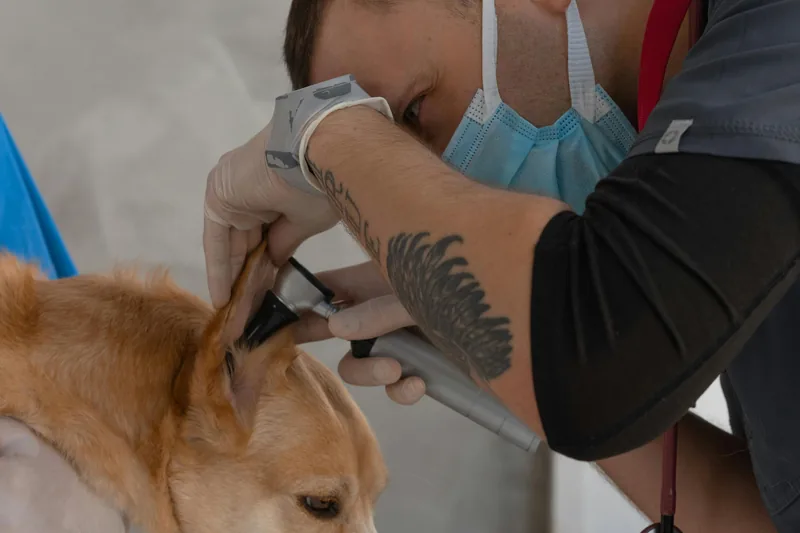
Dog Ear Infections: Causes, Symptoms & Treatment Guide
Ear infections are one of the top 5 reasons dogs visit vets — 80% are driven by underlying allergies. Causes, symptoms, treatment, and breaking the cycle.
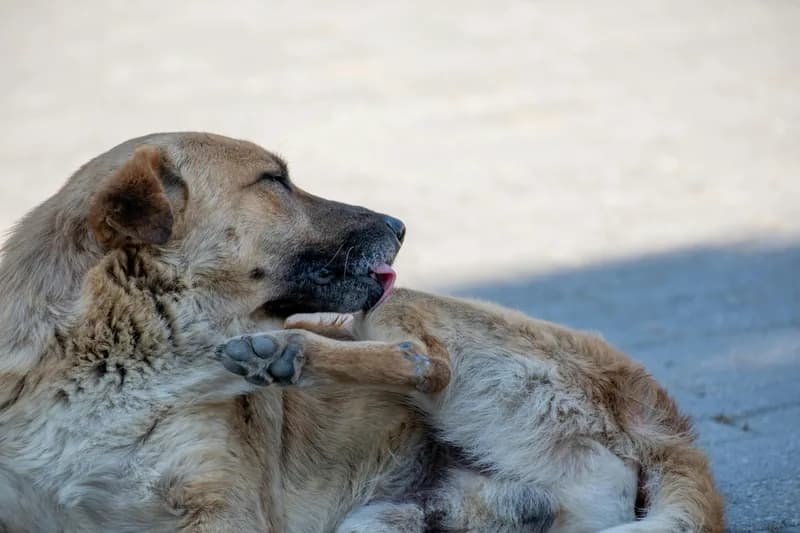
Why Is My Dog Licking Their Paws? Complete Guide
Why dogs lick their paws excessively covering allergies as the top cause, food vs environmental triggers, brown saliva staining, and treatment options.
Dog Skin Allergies from Food: Complete Diagnostic Guide
Over 60% of dogs with food allergies show skin symptoms first. Learn to identify dermatological signs, navigate diagnostic testing, and find lasting relief.
Best Dog Food for Allergies: Complete Guide & Reviews
Beef and chicken cause 65%+ of canine food allergies. Compare 10 limited ingredient, hydrolyzed, and novel protein diets with the exact foods vets recommend.
Cite this article
Gary Innes. (2026). Dog Hot Spots: Fast Treatment Guide & Prevention. Pet Allergy Scanner. Retrieved 2026-07-06T22:16:44.000Z from https://petallergyscanner.com/blog/dog-hot-spots-treatment-guide/
For other citation styles or to embed our tools, see the press & citations page.
About the author — Gary Innes
Gary is a UK pet owner who built Pet Allergy Scanner after 7+ years navigating his Cockapoo's chronic food allergy — a dog whose safe diet has narrowed to salmon, venison and vegetables. He is not a veterinarian and has no veterinary or nutrition qualifications. Every article on the site is owner-to-owner research that cites primary veterinary sources (Mueller et al. BMC Vet Res 2016, ACVD, Merck Vet Manual) and defers diagnostic and treatment decisions to a vet.
Read more about Pet Allergy Scanner's editorial standards →