Beagle Food Allergies: Why Ear Infections Are the #1 Sign
Beagles get ear infections 3x more often when food allergies strike. See the top triggers (beef, chicken, dairy), symptoms to watch, and vet-approved foods.
By Gary — 7+ years managing my Cockapoo's food allergies. Sources cited below.
18 min read
Affiliate disclosure: A handful of the product links in this article are affiliate links. They cost you nothing extra and help fund the scanner tool.

By Gary, founder of Pet Allergy Scanner. 7+ years managing pet food allergies with my Cockapoo.
Quick Answer: Food allergies in Beagles most commonly show as recurring ear infections rather than typical skin issues alone. If your Beagle has more than 2-3 ear infections per year, food is the likely cause. Veterinary dermatology literature treats an 8-12 week elimination diet with a novel protein like venison or duck as the most reliable diagnostic method (Mueller et al., BMC Vet Res 2016). Natural Balance LID Duck and Hill's z/d are reliable starting points for Beagle-appropriate allergy management.
Ear infections that keep coming back no matter how many rounds of antibiotics your Beagle finishes? The problem isn't the ears — it's almost certainly what's in the food bowl. Beagles' long, floppy ears make them uniquely vulnerable when food allergies trigger inflammation, and their legendary appetite makes elimination diets especially tricky.
Beagle Alert: Beagles' long, floppy ears create the perfect environment for allergy-related infections — if your Beagle has more than 2-3 ear infections per year, request a food allergy evaluation from your vet before another round of antibiotics.
Why Are Beagles More Prone to Food Allergies?
Beagles experience food allergies at moderate-to-high rates compared to other breeds. Their combination of genetic predisposition and enthusiastic eating habits creates unique management challenges.
Why Beagle Genetics Increase Allergy Risk
Research indicates that Beagles carry genetic variations affecting immune system function. The breed's development as scent hounds may have inadvertently selected for immune characteristics that increase allergy susceptibility.
The Beagle Appetite Challenge
Beagles' food motivation creates several well-documented allergy management complications. These dogs will eat almost anything, making strict dietary control extremely challenging. Their persuasive begging often breaks family members' resolve, completely compromising elimination diets. Limited ingredient allergy diets may be calorie-dense, requiring careful portion control that's tough to maintain with those soulful eyes staring at you. And Beagles are expert counter-surfers and garbage raiders, constantly risking allergen exposure.
Successfully managing allergies in Beagles requires addressing both the medical condition and behavioral factors around food.
Common Food Allergens in Beagles
Certain proteins and ingredients trigger allergies more frequently in Beagles than others.
6 Most Common Protein Triggers in Beagles
Beef is the most common single allergen, affecting 28-33% of allergic Beagles. The widespread use in commercial foods creates extensive exposure, making it hard to avoid.
Chicken comes in second, affecting 24-29% of cases. It appears in approximately 60% of commercial dog foods, making avoidance incredibly difficult when you're shopping for your pup.
Dairy products cause problems in 20-24% of cases, with both lactose intolerance and milk protein allergies occurring. Many training treats contain dairy derivatives, which is problematic when you're trying to work with a food-motivated breed.
Wheat and gluten allergies occur in 18-22% of cases. Grain allergies seem to occur more frequently in Beagles than some other breeds, though they're still less common than protein allergies.
Soy affects 12-16% of cases and is often hidden in commercial foods as protein extenders or fillers. Eggs can trigger reactions in 10-14% of cases, which is particularly problematic in treats used for training.
3 Secondary Allergens to Watch For
Corn allergies do occur in 8-12% of cases, though less frequently than marketing campaigns might suggest. Lamb, once considered hypoallergenic, now triggers reactions in 7-10% of cases as lamb-based foods have become more common. Fish is less common but can still cause issues in 5-8% of allergic Beagles.
Before beginning an elimination diet, use the Pet Allergy Scanner to identify all ingredients in your current food and track previous protein exposures. If chicken is a confirmed trigger, you'll need to check every label — it appears in over 60% of commercial dog foods.
What Are the Signs of Food Allergies in Beagles?
Beagles manifest food allergies through characteristic symptoms, with ear and skin issues being most prominent.
Ear Problems (Most Common in Beagles)
The short answer: Beagles' long, floppy ears create the perfect environment for allergy-related complications, and recurrent ear infections are the hallmark symptom in allergic Beagles.
Veterinary literature commonly describes chronic otitis externa (outer ear canal inflammation) that's resistant to standard treatments in this breed. The infections return within weeks of finishing antibiotics, and often both ears are affected simultaneously. You'll notice constant head shaking, pawing or scratching at ears, rubbing ears on furniture or the floor, and sometimes a head tilt indicating severe infection.
The discharge and odor are unmistakable - brown, yellow, or gray discharge with a characteristic yeasty or musty smell, plus waxy buildup that seems to appear overnight.
A common point vets raise with Beagle owners: if your dog develops more than 2-3 ear infections yearly, food allergies should be investigated even if other symptoms aren't obvious.
Skin and Coat Changes: 4 Warning Signs
Chronic itching is persistent and affects the face, paws, armpits, groin, and belly. It's often worse at night and may intensify 2-6 hours after meals. Hot spots develop as acute moist dermatitis from self-trauma, particularly in humid weather.
Skin infections become common - both bacterial infections with pustules and crusting, and yeast infections with greasy, smelly skin. Skin fold infections appear in facial wrinkles and lip folds.
Paw problems are especially telling. Constant paw licking creates that characteristic reddish-brown staining you see on white paws. The interdigital spaces become swollen and inflamed, and secondary infections develop between the toes.
The coat changes too. You'll notice a dull, dry coat lacking that normal healthy shine, excessive shedding beyond what's typical for the breed, thinning coat quality, and hair loss in affected areas.
Gut Symptoms: When a Beagle Stops Eating, Pay Attention
Chronic diarrhea means soft stools or intermittent diarrhea lasting weeks. Some dogs experience occasional vomiting, particularly 2-6 hours after meals. Excessive flatulence and gas become the norm. Paradoxically, some allergic Beagles become picky eaters, which is highly unusual for this breed and should raise red flags.
Behavioral Red Flags: Restlessness, Irritability, and Sleep Issues
Vets often suggest watching for restlessness and difficulty settling due to itching. Constant scratching prevents restful sleep, leading to sleep disruption. You might notice changes in their normally cheerful temperament, with irritability becoming more common. Reduced activity and less enthusiasm for walks and play is unusual for energetic Beagles and signals something's wrong.
How Do You Diagnose Food Allergies in Beagles?
Accurate diagnosis requires a systematic approach and strict compliance - particularly challenging with food-motivated Beagles.
Elimination Diet Trial (Most Reliable Diagnostic Method)
Veterinary dermatology literature treats this approach as the most reliable diagnostic method (Mueller et al., BMC Vet Res 2016): 8-12 weeks of feeding a novel protein diet. During weeks 1-2, you'll transition to the elimination diet while symptoms may persist. Weeks 3-8 require strict adherence to a single novel protein and single carbohydrate source. Weeks 9-12 involve continued monitoring, and most Beagles show improvement by week 8-10. After week 13, you systematically reintroduce proteins one at a time, spending 2 weeks on each, to identify specific triggers.
Novel Protein Selection for Beagles
Effective novel proteins (proteins your dog has never eaten before, so the immune system hasn't developed a reaction) include anything your Beagle has never consumed before. Venison works as an excellent novel protein for most Beagles. Rabbit is highly digestible with low allergen risk. Duck is a good option if never previously fed. Salmon or whitefish, if not previously fed, provides omega-3 benefits for skin health. Kangaroo is increasingly available and provides lean protein excellent for weight management. Bison is novel for most dogs and worth considering.
Critical Success Factors for Beagles
Managing elimination diets in Beagles requires extra vigilance. You need 100% family compliance - everyone must understand that "just one treat" ruins months of effort. Secure food storage is essential; lock cabinets and use sealed containers because Beagles are notorious food thieves. Supervised outdoor time prevents scavenging during walks or yard time. No table scraps, period - you have to resist those soulful begging eyes. Check all medications to ensure heartworm preventives, supplements, and medications don't contain beef or chicken flavoring. Training without food becomes necessary, or you can use toys, praise, or approved novel protein treats only.
Beagle-Specific Challenges
For scavenging prevention, use covered trash cans, pick up dropped food immediately, monitor compost areas, and watch for wildlife droppings during walks.
Counter-surfing prevention means never leaving food unattended on counters, pushing items well back from edges, and considering baby gates to restrict kitchen access.
Household member compliance is critical. Educate all family members, including children. Post reminder signs on the refrigerator. Provide approved treats in a designated container. Explain the consequences of breaking protocol in terms everyone understands.
Use the Pet Allergy Scanner to verify all products before purchase and during the elimination trial. For a step-by-step walkthrough, see the complete dog elimination diet guide.
Not sure which ingredients are causing problems? Use the free Pet Allergy Scanner to check any pet food label for hidden allergens in seconds.
Best Foods for Beagles with Food Allergies
Selecting appropriate food requires balancing allergy management with weight control - crucial for Beagles.
Limited Ingredient Diets (LID)
Natural Balance L.I.D. Duck & Potato offers a single protein source with moderate calorie density that's good for weight management. It contains 21% protein and 10% fat, with smaller kibble size suitable for Beagles. Check Price on Amazon →
Wellness CORE RawRev provides multiple novel protein options with higher protein at 34% that supports lean muscle. The freeze-dried raw coating increases palatability, and grain-free options are available.
Canidae PURE offers multiple novel protein options with real meat as the first ingredient. Their limited ingredient philosophy makes them good for weight management. Check Price on Amazon →
Blue Buffalo Basics Limited Ingredient comes in turkey, salmon, or duck formulas with moderate calories. It includes added omega-3s for skin health at 22% protein and 12% fat. Check Price on Amazon →
Hydrolyzed Protein Prescription Diets
For severe allergies or multiple protein sensitivities, prescription diets (which use hydrolyzed protein — protein broken into molecules too small to trigger an immune response) become necessary.
Purina Pro Plan Veterinary Diets HA features hydrolyzed soy protein with a single carbohydrate source and good digestibility. A weight management formula is available. Check Price on Amazon →
Royal Canin Hydrolyzed Protein HP uses soy-based hydrolyzed protein and is a good option when novel proteins fail. It has moderate calories, though veterinary supervision is recommended. Check Price on Amazon →
Hill's Prescription Diet z/d uses extensively hydrolyzed chicken liver where proteins are broken into molecules too small to trigger allergies. It has documented efficacy in published case-series with moderate calorie density at 18% protein and 11% fat. Check Price on Amazon →
Quick Comparison: Best Foods for Beagles with Allergies
| Product | Protein | Allergens Avoided | Price | Best For | |---------|---------|-------------------|-------|----------| | Natural Balance LID Duck | Duck (21%) | Chicken, beef, grain | $$ | Single protein, weight management | | Canidae PURE Salmon | Salmon | Chicken, beef, grain | $$ | Limited ingredient, picky eaters | | Blue Buffalo Basics Salmon | Salmon (22%) | Chicken, beef, grain | $$ | Budget-friendly, skin health | | Wellness CORE RawRev | Multiple (34%) | Varies by formula | $$$ | Lean muscle, active Beagles | | Hill's z/d | Hydrolyzed (18%) | All common | $$$$ | Severe/multiple allergies | | Royal Canin HP | Hydrolyzed soy | All common | $$$$ | When novel proteins fail | | Purina Pro Plan HA | Hydrolyzed soy | All common | $$$ | Digestive sensitivities |
Weight Management Considerations
When selecting allergy-friendly foods for Beagles, choose moderate-calorie formulas with 320-360 kcal per cup. Protein levels of 22-26% support lean muscle mass. Fat levels of 10-14% provide essential fatty acids without excess calories. Higher fiber content at 4-6% promotes satiety. Strictly measure portions and don't free-feed.
For a typical 25-30 pound Beagle, daily caloric needs vary. Sedentary dogs need 450-550 calories. Moderately active dogs need 550-650 calories. Very active dogs need 650-750 calories.
A point vets often raise: many Beagles are overfed, period. Your vet can assess ideal body condition and caloric needs based on your individual dog.
Managing Weight While Managing Allergies
The double challenge of allergies and obesity requires a strategic approach.
Portion Control Strategies
Measure precisely using measuring cups or a food scale - Beagle owners often underestimate portions, sometimes by as much as 50%. Divide meals into 2-3 smaller meals rather than one large meal. Use puzzle feeders or slow-feed bowls to extend mealtime and increase satisfaction. Weekly weighing tracks progress and prevents gradual weight creep.
Low-Calorie Treats for Allergic Beagles
Training and rewarding food-motivated Beagles requires approved low-calorie treats. Try freeze-dried novel protein like venison, duck, or rabbit, broken into tiny pieces. Beagles respond to frequency of treats, not size, which works in your favor.
For vegetable treats (if your dog isn't grain-sensitive), raw carrots have only 3-4 calories per baby carrot. Green beans contain 4 calories per 10 beans. Cucumber slices have about 1 calorie per slice. Small apple pieces work too, just remove the seeds.
Homemade options include dehydrated sweet potato chips, baked novel protein treats, and frozen novel protein broth cubes.
The treat calorie rule vets typically recommend: treats should comprise no more than 10% of daily calories, which means 45-65 calories for the average Beagle.
Exercise and Activity
Daily exercise requirements include a minimum of 45-60 minutes daily with two walks plus play sessions. Scent work or nose games provide mental stimulation that Beagles crave. Swimming offers excellent low-impact exercise.
Activity benefits go beyond just burning calories for weight management. Exercise provides mental stimulation that reduces food-seeking behavior, strengthens the immune system, and improves sleep quality so they're not up scratching all night.
Supplements for Beagles with Food Allergies
Strategic supplementation supports both allergy management and overall health.
Essential Supplements
Omega-3 fatty acids from fish oil are commonly used and well-supported for skin and ear health. Benefits include reduced inflammation, improved skin barrier function, and better ear health. The right dose varies with body weight, the food already being fed, and any other supplements — ask your vet before adding fish oil, especially during a dietary trial. Choose molecularly distilled, third-party tested products.
Probiotics support gut health and may reduce food sensitivities over time — follow the label on a veterinary-formulated product and ask your vet for guidance on dose if you're unsure. Choose multi-strain formulas, particularly beneficial for Beagles with digestive symptoms.
Quercetin is sometimes cited as a natural antihistamine. There are no established dosing guidelines for dogs, and it shouldn't be started without a conversation with your vet about whether it's appropriate and at what amount for your dog's weight.
Additional Supportive Supplements
Digestive enzymes may improve protein digestion, potentially reducing allergic responses. Biotin supports skin and coat health during recovery. Vitamin E provides antioxidant support for skin health — confirm an appropriate amount with your vet before supplementing.
Beagle ears are the warning light most owners ignore. The breed's long, floppy ear flap and dense canal hair create exactly the warm-damp environment yeast and bacteria need to take over the moment underlying inflammation appears — and food allergy is one of the most reliable drivers of that inflammation in published case-series.
If your Beagle has had three or more ear infections in twelve months, ear drops aren't the answer. They're the same answer as last time, and the time before that. The cycle only stops when the upstream trigger is identified, and for Beagles specifically, food trials produce results often enough to be worth running before the next antibiotic course is prescribed.
Preventing Ear Infections in Allergic Beagles
Ear infections are the most common complication of food allergies in Beagles, requiring proactive management.
Preventive Ear Care
Regular cleaning means cleaning ears weekly with veterinarian-approved cleanser. Gently wipe visible portions but don't insert anything into the ear canal. Dry thoroughly after cleaning.
After water exposure, dry ears thoroughly after baths or swimming. Consider protective ear coverings during baths. Use drying solutions formulated specifically for dogs.
Monitor for early signs by checking ears weekly for odor, discharge, or redness. Address problems immediately before infection establishes and becomes harder to treat.
Dietary support includes omega-3s to reduce inflammation in ear canals, probiotics to support immune function, and avoiding allergens that trigger ear inflammation in the first place.
When to See a Veterinarian
Seek veterinary care if your Beagle shows head shaking lasting more than a day, ear discharge or strong odor, redness or swelling in ears, pain when ears are touched, or head tilt and balance problems.
Early treatment prevents chronic ear problems that can require surgery in severe cases.
Long-Term Management and Prognosis
With proper management, Beagles with food allergies maintain excellent quality of life.
Expected Timeline
During weeks 1-2, you'll begin the elimination diet while symptoms may persist. Weeks 4-6 bring initial improvement that's typically visible. Weeks 8-10 show significant improvement in responsive dogs, especially with ear infections. Weeks 12-16 bring near-complete resolution if you've identified the correct allergens. By months 4-6, skin and ears should be completely healed.
Maintenance Strategies
Strict diet adherence means continuing to avoid identified allergens permanently - this isn't temporary. Weight monitoring through weekly or bi-weekly weighing keeps you on track. Continue preventive ear cleaning as part of your routine. Maintain a consistent activity schedule with regular exercise. Schedule annual or semi-annual veterinary check-ups.
Quality of Life Improvements
Successfully managing food allergies and weight truly transforms Beagles' lives. You'll see improved comfort with no more constant itching or ear pain. Better mobility comes from maintaining healthy weight that reduces joint stress. Enhanced energy appears as relief from chronic inflammation restores their natural enthusiasm. I see improved behavior with less obsessive food-seeking when they're properly fed and exercised. And you'll enjoy a stronger bond as you focus more on companionship and less on constant medical management.
Preventing Food Allergies in Beagle Puppies
While genetic predisposition can't be eliminated, certain strategies may reduce risk.
Early Nutrition Strategies
Choose high-quality puppy food from reputable manufacturers with feeding trials. Consider protein rotation by exposing puppies to 3-4 different proteins during their first year, which helps identify sensitivities early. Avoid overfeeding to establish healthy weight habits from puppyhood. Puppy-appropriate probiotics may support healthy immune development.
Breeder Selection
Choose breeders who health test their breeding stock, track allergies in their breeding lines, avoid breeding dogs with significant allergy histories, provide comprehensive health guarantees, and raise puppies in clean environments with diverse exposures.
Establishing Healthy Habits
Practice portion control from the start and don't free-feed puppies. Establish regular exercise routines early. Train using tiny treats or non-food rewards. Implement scavenging prevention by training "leave it" and "drop it" commands early.
Real-World Outcomes: What Beagle Owners Report
Example 1 — Chronic Ear Infections: A four-year-old Beagle with 8 ear infections in 12 months plus constant paw licking. An elimination diet revealed chicken and wheat allergies. Switching to a salmon-based limited ingredient diet with omega-3 supplementation and preventive ear care resolved the ear infections completely — zero recurrence over 18 months.
Example 2 — Weight + Allergies Combined: A six-year-old Beagle, overweight at 38 pounds (ideal: 28), with itching, ear problems, and digestive issues. A duck and sweet potato elimination diet identified beef, chicken, and dairy allergies. Combined with portion control and increased exercise, the dog lost 10 pounds over 6 months with complete symptom resolution maintained for 2+ years.
Example 3 — Multiple Protein Sensitivities: A two-year-old Beagle with severe itching and recurrent skin infections, sensitive to beef, chicken, lamb, and soy. Started on Hill's z/d hydrolyzed diet. Symptoms improved within 3 weeks and completely resolved by 8 weeks. The owner reported the dog's personality "came back" — energetic, playful, and happy again.
Final Recommendations
Managing food allergies in Beagles requires addressing both the medical condition and breed-specific challenges. Success comes from accurate diagnosis by completing proper elimination diet trials despite temptations and scavenging tendencies. Weight management through maintaining healthy body condition with portion control and exercise is essential. Family commitment ensures everyone understands and follows dietary restrictions. Preventive ear care includes proactive cleaning and monitoring. Environmental control prevents scavenging and food stealing. Regular exercise with daily activity reduces food-seeking behavior and maintains healthy weight. And veterinary partnership means working with professionals experienced in both allergies and weight management.
Use the Pet Allergy Scanner to check all foods, treats, and supplements for potential allergens before purchase. This simple step prevents accidental allergen exposure that could undo months of progress. Not sure if your Beagle's symptoms are from food or the environment? See seasonal vs food allergies in dogs to tell the difference.
The good news: Beagles with properly managed food allergies and healthy weight live long, happy, active lives. Their cheerful personality, loyalty, and enthusiasm return fully when allergies are controlled and they feel physically comfortable. With commitment and consistency, your Beagle can enjoy the quality of life this wonderful breed deserves - active, healthy, and free from constant discomfort.
Take action today: Use the free Pet Allergy Scanner to check your current pet food for hidden allergens and find safer alternatives.
Sources & Further Reading
- ACVD (American College of Veterinary Dermatology) — Clinical standards for diagnosing food allergies in dogs
- Mueller, Olivry & Prélaud (2016) — Critically Appraised Topic on adverse food reactions — Largest meta-analysis of food allergens in dogs
- Merck Veterinary Manual — Food Allergy — Clinical reference for diagnosis and treatment
- Tufts Petfoodology — Evidence-based nutrition guidance from veterinary nutritionists
- Washington State University — Canine Health — Breed-specific genetic research
Related Articles
- Best Dog Food for Allergies
- Chicken Allergy in Dogs
- Dog Elimination Diet Guide
- Dachshund Food Allergies
- Cocker Spaniel Food Allergies
- Dog Ear Infections Guide
- Best Limited Ingredient Dog Food
Frequently Asked Questions
What are the most common food allergies in Beagles?
The most common food allergies in Beagles are beef (affecting 28-33% of allergic Beagles), chicken (24-29%), dairy products (20-24%), wheat/gluten (18-22%), and soy (12-16%). About 30-35% of allergic Beagles react to multiple proteins, requiring more restrictive diets or hydrolyzed protein formulas like Hill's z/d or Royal Canin HP.
Why do Beagles with food allergies get so many ear infections?
Beagles' long, floppy ears create warm, moist environments that become breeding grounds for yeast and bacteria when food allergies cause skin inflammation. The allergic reaction compromises the ear canal's natural defenses, allowing infections to take hold. If your Beagle has more than 2-3 ear infections per year, food allergies should be investigated even if other symptoms aren't obvious.
What is the best dog food for a Beagle with allergies?
The best dog foods for Beagles with allergies are limited-ingredient diets with novel proteins they've never eaten. Top options include Natural Balance L.I.D. Duck & Potato (moderate calories, good for weight management), Blue Buffalo Basics Salmon, and Canidae PURE. For severe or multiple allergies, prescription hydrolyzed diets like Hill's z/d or Royal Canin HP work when other foods fail.
How do I manage my Beagle's weight while treating food allergies?
Choose moderate-calorie formulas (320-360 kcal/cup), measure portions precisely with cups or a food scale, divide food into 2-3 smaller meals, and use puzzle feeders to extend mealtime. Treats should be no more than 10% of daily calories (45-65 calories for most Beagles). Low-calorie options include tiny pieces of freeze-dried novel protein, baby carrots, green beans, and cucumber slices.
How long does it take for Beagle food allergy symptoms to improve?
Most Beagles show initial improvement within 4-6 weeks of starting an elimination diet, with significant improvement by weeks 8-10. Ear infections typically take longest to fully resolve. Complete symptom resolution usually occurs by weeks 12-16 if you've identified the correct allergens. The elimination diet must be followed strictly for 8-12 weeks—even one unapproved treat can reset progress.
Can Beagles outgrow food allergies?
No, Beagles rarely outgrow true food allergies. Once your Beagle's immune system develops a reaction to a specific protein, that sensitivity usually persists permanently. However, with proper dietary management and allergen avoidance, allergic Beagles can live completely normal, symptom-free lives. The key is identifying triggers through an elimination diet and strictly avoiding them long-term.
Is your pet's food safe?
Upload a photo of any pet food label and find out what's safe in seconds.
Try free scanFound this useful? Save it or share it with another pet owner.
Continue Reading

Dachshund Food Allergies: 14-18% Affected (3x Average Dog)
14-18% of Dachshunds develop food allergies, with their long spines making allergy-driven weight gain dangerous. Symptoms, safe foods, and management.

Cocker Spaniel Food Allergies: Ear Infections & Diet Solutions
Cocker Spaniels are 3-4x more likely to develop food allergies, with chronic ear infections as the hallmark sign. Diagnosis, best foods, and management.
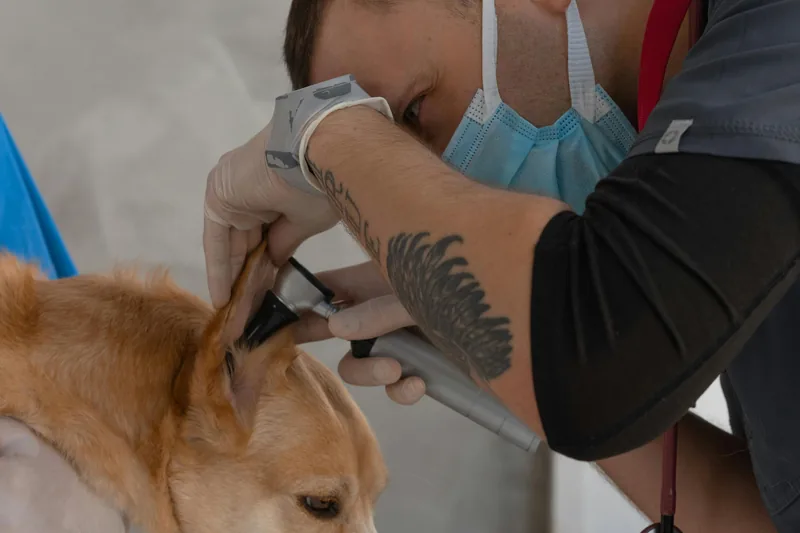
Dog Ear Infections: Causes, Symptoms & Treatment Guide
Ear infections are one of the top 5 reasons dogs visit vets — 80% are driven by underlying allergies. Causes, symptoms, treatment, and breaking the cycle.

Labradoodle Food Allergies: US vs Australian & Best Foods
Complete Labradoodle food allergy guide. Labrador + Poodle genetic risks, Australian vs American differences, F1 vs F1B, symptoms, best hypoallergenic foods.
Cite this article
Gary Innes. (2026). Beagle Food Allergies: Why Ear Infections Are the #1 Sign. Pet Allergy Scanner. Retrieved 2026-05-29T08:49:31.000Z from https://petallergyscanner.com/blog/beagle-food-allergies-hound-breed-guide/
For other citation styles or to embed our tools, see the press & citations page.
About the author — Gary Innes
Gary is a UK pet owner who built Pet Allergy Scanner after 7+ years navigating his Cockapoo's chronic food allergy — a dog whose safe diet has narrowed to salmon, venison and vegetables. He is not a veterinarian and has no veterinary or nutrition qualifications. Every article on the site is owner-to-owner research that cites primary veterinary sources (Mueller et al. BMC Vet Res 2016, ACVD, Merck Vet Manual) and defers diagnostic and treatment decisions to a vet.
Read more about Pet Allergy Scanner's editorial standards →