Cavapoo Food Allergies: 15-25% Affected + Heart Health Guide
Cavapoos inherit allergy tendencies from both parent breeds, with 15-25% developing food allergies. Learn safe foods, grain-free risks, and DCM prevention.
By Gary — 7+ years managing my Cockapoo's food allergies. Sources cited below.
15 min read
Affiliate disclosure: Disclosure: certain product links pay a small commission if you buy. The price you pay doesn't change, and it keeps the scanner free.
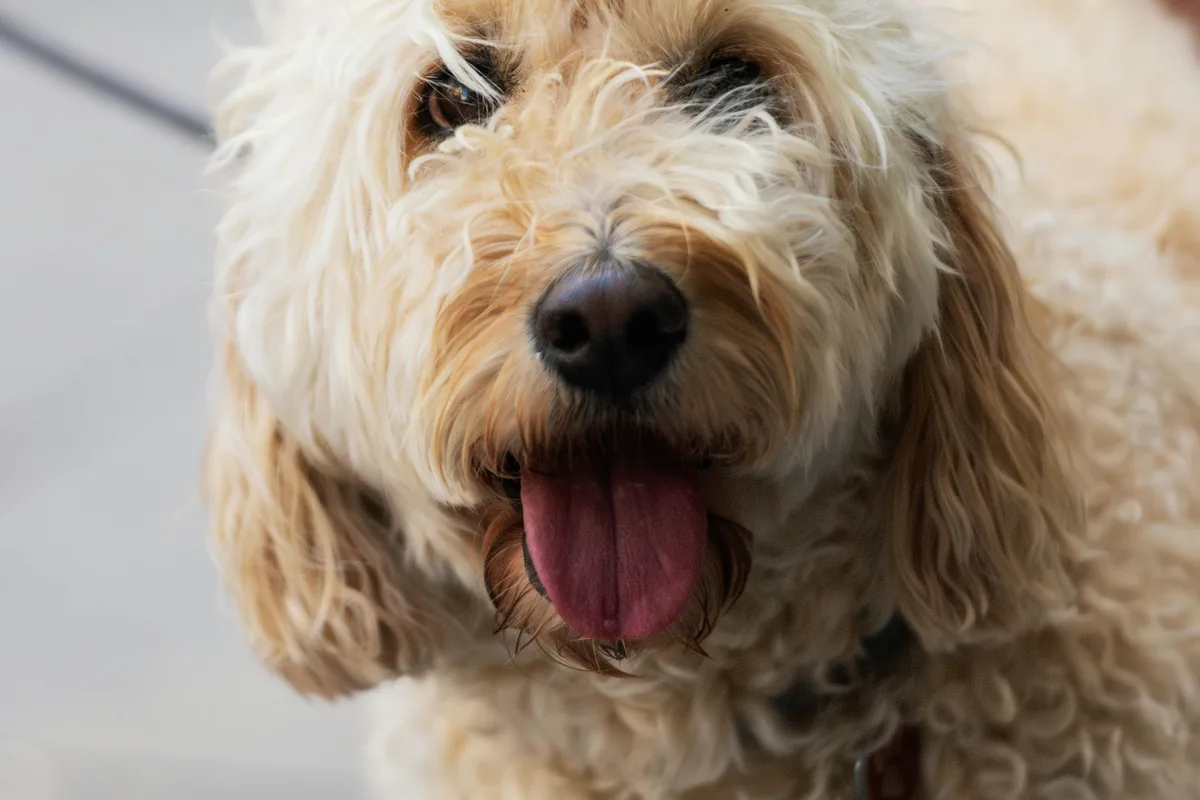
By Gary, founder of Pet Allergy Scanner. 7+ years with my Cockapoo — a closely related breed.
Your Cavapoo's chronic ear infections, tear staining, and constant itching may not be "just a grooming issue." Food allergies affect 15-25% of Cavapoos — significantly higher than the average dog — because this cross inherits allergy tendencies from both parent breeds. What makes Cavapoo allergy management uniquely complex is the Cavalier King Charles Spaniel's heart disease predisposition, which means dietary changes must consider cardiovascular health alongside allergy relief.
Quick Answer: Cavapoos inherit food allergy tendencies from both Cavalier King Charles Spaniels (15-20% allergy rate) and Poodles (12-18%). The most common triggers are chicken (35-40%), beef (25-30%), and dairy (20-25%). Management requires an 8-12 week elimination diet with novel protein, followed by permanent allergen avoidance. Critically, Cavalier heart genetics mean grain-free diets should be avoided unless medically necessary due to DCM concerns.
Why Are Cavapoos Prone to Food Allergies?
The Parent Breed Factor
Cavalier King Charles Spaniels rank among breeds with higher food allergy rates (15-20%). But food allergies aren't the only concern — over 50% of Cavaliers develop mitral valve disease (MVD) by age 5, and nearly all have heart murmurs by age 10. This is critical because dietary restrictions from allergies must be balanced with heart-healthy nutrition. Additionally, Cavaliers' long floppy ears create poor air circulation, making food allergy-related ear infections particularly severe.
Poodles contribute their own immune sensitivities despite their "hypoallergenic" coat reputation. Food allergy rates of 12-18%, autoimmune tendencies (including sebaceous adenitis), and sensitive digestive systems all factor in. Common Poodle allergens include beef, fish, wheat, and chicken.
The Combined Genetic Risk
When two allergy-prone breeds cross, the effect compounds rather than averages. Cavapoos inherit immune sensitivity genes from both sides, creating a genetic load that puts their food allergy rate at 15-25% — roughly 3-4x the average dog.
Generation Matters for Allergy Risk
Not all Cavapoos carry the same risk. F1 Cavapoos (50/50 Cavalier/Poodle) have maximum genetic diversity — allergy risk sits around 10-15%, and they may favor one parent's allergy profile. F1B Cavapoos (75% Poodle backcross) carry more Poodle genetics, pushing allergy risk to 12-18% with greater likelihood of reacting to beef and fish. F2 and multigenerational Cavapoos are the least predictable, with allergy rates anywhere from 8-20% depending on the breeding line.
Size Variations and Symptom Presentation
Cavapoo size affects how dramatically symptoms present and how to manage diet changes. Toy Cavapoos (7-12 lbs) show more acute symptoms due to small body mass and face higher risk of hypoglycemia during elimination diets — feed 3-4 small meals daily and monitor energy levels closely. Miniature Cavapoos (13-20 lbs) handle standard 2-3 meals daily with moderate symptom presentation. Standard Cavapoos (20-30 lbs) may tolerate dietary changes more easily on a standard 2-meal schedule.
The Heart Health Complication
This is unique to Cavapoos: if your dog inherited the Cavalier predisposition to MVD, managing food allergies becomes more complex. Chronic inflammation from food allergies can worsen heart disease. Some allergy medications affect heart function. Dietary changes must consider sodium levels. And the grain-free diets commonly used for allergies have been linked to DCM (dilated cardiomyopathy) — particularly concerning for dogs already predisposed to heart problems.
What Are the Most Common Food Allergens for Cavapoos?
| Allergen | Estimated Frequency | Key Notes | |----------|-------------------|-----------| | Chicken | 35-40% | Most common; ubiquitous in dog food and treats | | Beef | 25-30% | Poodle genetics show particular predisposition | | Dairy | 20-25% | Both lactose intolerance and milk protein allergy | | Wheat/Grains | 18-22% | Wheat most allergenic; rice and oats usually tolerated | | Fish | 12-15% | Increasingly common; problematic since fish is often recommended as alternative | | Eggs | 10-12% | Common in grain-free formulas as binder |
Cross-reactivity warning: 25-30% of chicken-allergic Cavapoos also react to turkey. If chicken is the allergen, avoid turkey initially and only reintroduce during controlled food trials. Beef-allergic dogs sometimes also react to dairy (15-20% overlap).
Hidden Allergen Sources Owners Miss
Chicken hides in chicken meal, chicken by-product meal, chicken fat, poultry fat, "animal fat" (often chicken-based), "natural flavoring" (frequently chicken-derived unless specified), chicken digest, and bone broth. If any ingredient includes the word "poultry," assume it's chicken unless the specific bird is named.
Beef hides in beef tallow, beef liver, beef meal, "meat and bone meal" (often beef), glucosamine/chondroitin supplements (usually from beef trachea), bully sticks (100% beef pizzle), and many dental chews.
Dairy appears in cheese-flavored training treats, pill pockets, supplement flavorings, and table scraps. Even a small piece of cheese used for training can trigger reactions in severely allergic Cavapoos.
The treat problem: Cavapoos are extremely food-motivated (Cavalier genes) and highly trainable (Poodle intelligence), so owners tend to give lots of treats. Even one treat containing an allergen can trigger symptoms and invalidate an elimination diet. This is the number one reason elimination diets fail — well-meaning family members giving "just one tiny treat." Check all treats, dental chews, and flavoured medications.
Take action today: Use the free Pet Allergy Scanner to check your current pet food for hidden allergens and find safer alternatives.
How Do You Recognize Food Allergy Symptoms?
Skin and Coat (70% of Cases)
Intense itching concentrated on face, paws, belly, and armpits. Face rubbing on carpet and furniture. Obsessive paw licking (feet turn rusty-red from saliva). Brown or reddish tear staining under eyes — not just cosmetic, it indicates inflammation. Hot spots, patchy hair loss, yeasty smell from secondary infections, and loss of the soft silky texture Cavapoos are known for.
Ear Infections (Major Cavapoo Issue)
Cavapoos are particularly vulnerable — floppy ears from the Cavalier combined with hair growth inside the ear canal from the Poodle creates a perfect storm. Head shaking, pawing at ears, brown/yellow discharge, yeasty smell, and pain when ears are touched. The critical pattern: one ear infection could be anything, but recurring infections every 4-8 weeks strongly suggests food allergies. Food allergy-related ear infections involve yeast (Malassezia) in 70% of cases and return shortly after antibiotics end.
Digestive Symptoms (40% of Cases)
Chronic soft stools or diarrhea, vomiting 2-6 hours after eating (delayed allergic reaction), frequent foul-smelling flatulence, picky eating (associating food with discomfort), and weight loss despite normal activity. Some Cavapoos experience alternating constipation and diarrhea as the inflamed intestinal lining struggles to function properly.
Behavioral Changes
Chronic discomfort from food allergies affects your Cavapoo's personality. Watch for loss of that characteristic Cavapoo enthusiasm, becoming less patient or sometimes snappy, waking frequently to scratch, reluctance to be touched if skin is painful, obsessive licking that becomes compulsive (self-soothing behavior), and restless pacing from inability to get comfortable. Secondary problems include anal gland impaction from inflammation, secondary skin infections from bacteria entering scratched skin, and pododermatitis (red, swollen, infected feet from constant licking).
Heart-Related Concerns
If your Cavapoo inherited Cavalier heart disease tendencies AND has food allergies, watch for coughing (could be heart-related, allergy-related, or both), tiring easily, and heavy breathing after minimal activity. Tell your vet about any coughing or breathing changes — determining whether it's heart disease, allergies, or both affects the treatment approach.
How Are Food Allergies Diagnosed in Cavapoos?
The elimination diet remains the diagnostic vets typically rely on. Blood and saliva allergy tests have 50-70% false-positive rates — most veterinary dermatologists don't recommend them for food allergies.
The Elimination Diet Protocol
Choose a novel protein your Cavapoo has never eaten — duck, venison, kangaroo, or rabbit. Pair with a single carbohydrate (sweet potato or rice). Stick to (under your vet's protocol) this diet for 8-12 weeks — zero treats, table scraps, or flavoured medications.
Transition gradually over 7-14 days (important for sensitive Cavapoo stomachs). Track symptoms weekly: itching severity, ear health, tear staining, stool quality, and energy levels.
Expected timeline: Digestive symptoms improve in 2-4 weeks. Skin itching shows initial improvement by 6-8 weeks. Complete skin healing takes 8-12 weeks. Ear infections reduce by 6-10 weeks. Many owners quit at weeks 4-5 — stay the course, as full results take 10-12 weeks minimum.
Challenge testing: Once symptoms improve, reintroduce ONE ingredient at a time. Add it to the elimination diet for 7-14 days and watch for symptom return. If symptoms return, you've identified an allergen — stop immediately and wait 2-4 weeks for symptoms to clear before testing the next ingredient.
For the complete step-by-step protocol, see the dog elimination diet guide.
Veterinary Testing Options
Blood allergy tests (serum IgE testing, $250-500) can help prioritize which proteins to trial first but have 50-70% false-positive rates — use them as a guide, not a standalone diagnosis. Intradermal skin testing ($500-1,000+) works for environmental allergies but is unreliable for food allergies. At-home sensitivity tests ($80-200) from services like 5Strands or Nutriscan lack scientific validation — some owners find them useful as a starting point, but they shouldn't replace elimination diets.
Expected Diagnostic Costs
| Item | Cost | |------|------| | Initial vet exam | $75-150 | | Ear infection treatment (per episode) | $100-200 | | Elimination diet food (12 weeks) | $150-400 | | Follow-up visits | $50-100 each | | Dermatologist consultation | $200-400 | | Blood allergy panel (optional) | $250-500 | | Complete diagnostic process | $500-1,500+ |
This seems expensive, but ongoing ear infection treatments, medications, and vet visits without addressing the root cause can easily exceed $2,000+ annually.
Heart Health Monitoring During Diagnosis
If your Cavapoo has any signs of heart disease (murmur, coughing, exercise intolerance), inform your vet before starting. Dietary changes can affect heart health, some elimination diets are high in sodium, and stress from diet change may affect the cardiovascular system. Choose low-sodium elimination diet options if heart disease is present.
Not sure about ingredients? Try the free Pet Allergy Scanner — scan any pet food label for common allergens in seconds.
What Are the Best Foods for Cavapoos with Allergies?
Choose formulas that balance allergy management with Cavapoo nutritional needs: 22-28% protein, 12-18% fat, adequate taurine (critical for Cavalier heart genetics), low sodium if heart disease is present, and 30-40 calories per pound of body weight daily. Small breed considerations include appropriate kibble size, high digestibility for sensitive stomachs, and joint support (glucosamine/chondroitin) for patellar luxation prevention.
Limited Ingredient Diets
Natural Balance L.I.D. Duck & Potato — True limited ingredient formula with single protein source, highly digestible, 30+ year track record. Good heart-health profile with moderate sodium and added omegas. ~$55-65/24 lb bag.
Check Natural Balance L.I.D. Price on Amazon →
Canidae PURE Salmon — Limited ingredient approach with real salmon first. Rich in heart-healthy omega-3s, making it an excellent choice for Cavapoos with Cavalier genetics. ~$55-70/24 lb bag.
Check Canidae PURE Price on Amazon →
Wellness Simple Salmon — Clean limited ingredient formula with salmon as the sole animal protein. Easily digestible with added prebiotics, gentle on sensitive Cavapoo stomachs. ~$60-75/26 lb bag.
Check Wellness Simple Price on Amazon →
Taste of the Wild Pacific Stream — Salmon-based with added probiotics. Good value with heart-healthy omega-3s from fish protein. Contains legumes (peas, lentils) — monitor if Cavalier heart genetics are a concern. ~$45-55/28 lb bag.
Check Taste of the Wild Pacific Stream Price on Amazon →
Zignature Kangaroo — Exotic novel protein for Cavapoos who've reacted to more common proteins. True novel protein that's extremely rare as an allergen. Contains legumes (chickpeas, peas) — discuss with vet if heart concerns present. ~$80-90/25 lb bag.
Check Zignature Kangaroo Price on Amazon →
Prescription Hydrolyzed Protein Diets
For severe allergies or multiple protein sensitivities, prescription diets break proteins into fragments too small to trigger immune reactions.
Hill's Prescription Diet z/d — Extensively hydrolyzed chicken liver. Most reliable for diagnostic elimination trials. Low sodium version available — excellent for Cavapoos with MVD. ~$85-100/17.6 lb bag.
Check Hill's z/d Price on Amazon →
Royal Canin Hydrolyzed Protein HP — Soy-based hydrolyzed formula. Small breed formula available, making it suitable for toy and mini Cavapoos. Moderate sodium, appropriate for heart health. ~$90-110/17.6 lb bag.
Check Royal Canin HP Price on Amazon →
How Do You Manage Cavapoo Allergies Long-Term?
Lifelong Management Principles
Food allergies don't disappear — strict avoidance is permanent. Manufacturers change formulas, so check labels regularly. Maintain consistent safe food and resist rotating untested proteins. After 6-12 months with multiple safe proteins identified through careful reintroduction, you can consider a rotation diet for nutritional variety.
Size-Specific Feeding Schedules
Toy Cavapoos (7-12 lbs): 3-4 small meals daily to prevent hypoglycemia. Sample schedule: 7am, 12pm, 5pm, 9pm. Set phone reminders — missed meals in tiny dogs can cause dangerous blood sugar drops.
Miniature Cavapoos (13-20 lbs): 2-3 meals daily. Sample schedule: 8am, 2pm (optional), 6pm.
Standard Cavapoos (20-30 lbs): 2 meals daily. Sample schedule: 8am, 6pm.
A Note on Homemade Diets
Some Cavapoo owners choose homemade diets for ultimate ingredient control. Critical warning: Homemade diets MUST be formulated by a board-certified veterinary nutritionist (ACVN) to prevent nutritional deficiencies. This is especially important for Cavapoos — Cavalier genetics require adequate taurine and L-carnitine for heart health, and DIY recipes often lack proper supplementation. Taurine deficiency can cause DCM. Do not use random internet recipes. Resources include BalanceIT.com for recipe formulation and the ACVN directory at acvn.org. Unless you're highly committed and working with a nutritionist, commercial limited ingredient or prescription diets are safer, often less expensive, and nutritionally complete.
Safe Treats for Training
Cavapoos are incredibly trainable and food-motivated — treats are essential for training success, so managing them becomes critical for allergy control.
Best options: Freeze-dried single-ingredient treats matching the safe protein (if eating salmon food, use freeze-dried salmon treats). Break into tiny pieces for training — pea-sized for training sessions. Regular kibble reserved from meals works in a pinch. Homemade options include baked sweet potato chips (slice thin, bake at 250°F for 3 hours until crispy) and frozen green beans (many Cavapoos love these).
Avoid: All conventional treats until ingredients are verified safe, dental chews (usually chicken or beef), bully sticks (100% beef), Greenies (contain wheat gluten), cheese, lunch meat, and flavoured pill pockets.
Dental Care Alternatives
Cavapoos are prone to dental disease (inherited from the Cavalier side), but most dental chews contain chicken or beef. Daily teeth brushing with enzymatic dog toothpaste is the best option — 2 minutes daily prevents 80% of dental disease, and Cavapoos usually tolerate brushing well. Rubber dental toys (Kong, Nylabone), raw carrots (cut to appropriate size for your Cavapoo), and dental water additives are allergen-safe alternatives.
Ear Care
Weekly ear cleaning prevents 70-80% of infections in Cavapoos. Use veterinary-approved ear cleaner, massage the base of the ear, let the dog shake, and wipe with cotton balls. Never insert Q-tips into the ear canal. Dry ears thoroughly after baths.
Supplement Support
Omega-3 fatty acids are particularly important for Cavapoos — they reduce skin inflammation AND support cardiovascular health. Nordic Naturals Omega-3 Pet is a reliable option. If your Cavapoo is fish-allergic, use plant-based alternatives like flaxseed oil or algae-based omega-3s.
Discuss taurine supplementation with your vet if your Cavapoo eats grain-free food — taurine deficiency can contribute to DCM, which is especially concerning with Cavalier genetics. L-carnitine supports heart muscle function and may be recommended for Cavapoos with MVD history.
Heart Health Integration
For Cavapoos with Cavalier genetics, managing food allergies properly can protect heart health. Reducing chronic inflammation benefits the cardiovascular system. Omega-3 supplements support both skin and heart function. Avoiding grain-free diets (unless medically necessary) reduces DCM risk. Regular vet visits allow early heart disease detection alongside allergy monitoring.
Honest Take
"Hypoallergenic" in the breed marketing context refers to human allergic reactions to dander — not to whether the dog itself develops food or environmental allergies. Cavapoos are emphatically not protected against developing allergies; if anything, they inherit predispositions from both parent breeds (Cavalier-line atopy plus Poodle-line skin sensitivity), which is why this breed crops up in dermatology referrals more than its popularity alone would predict.
Layer the Cavalier-inherited mitral valve risk on top, and a Cavapoo allergy workup is genuinely two diagnoses running in parallel. The diet has to be allergy-safe AND cardiac-safe (adequate taurine, sensible sodium, omega-3-rich), and the heart-medication review needs to happen alongside the elimination trial — many cardiac drugs come in flavoured forms that break diet trials.
Sources & Further Reading
- American Kennel Club — Cavalier King Charles Spaniel Health — breed-specific health guidance including MVD
- Tufts University Veterinary Nutrition — evidence-based pet nutrition research
- AAFCO Consumer Resources — pet food labelling standards
- FDA — DCM and Grain-Free Diets Investigation — grain-free diet and heart disease research
- Merck Veterinary Manual — Food Allergies — clinical reference for canine food allergy diagnosis and management
Related Articles
- Best Dog Food for Allergies — Complete Guide
- Cockapoo Food Allergies
- Cocker Spaniel Food Allergies
- Limited Ingredient Dog Food Comparison
- Grain-Free vs Grain-Inclusive Dog Food for Allergies
Frequently Asked Questions
Are Cavapoos More Prone to Food Allergies Than Purebred Dogs?
Cavapoos have a higher food allergy rate (15-25%) compared to the average dog (5-7%). This isn't because they're mixed breeds — it's specifically because they inherit allergy tendencies from two allergy-prone parent breeds (Cavaliers 15-20%, Poodles 12-18%). The "hybrid vigour" concept doesn't protect against food allergies since allergies involve complex multi-gene immune responses.
Does "Hypoallergenic" Mean My Cavapoo Won't Get Food Allergies?
No. "Hypoallergenic" refers to the coat producing less dander, making the dog better for humans with pet allergies. It has zero connection to whether the dog develops food allergies. A low-shedding coat doesn't protect against food allergies, ear infections, or digestive issues.
How Do I Know if My Cavapoo's Ear Infections Are Food-Related?
The pattern is the key. Regular ear infections are rare (1-2 per year), respond fully to treatment, and stay gone. Food allergy-related ear infections recur every 4-8 weeks, return 1-3 weeks after antibiotics end, occur year-round, often affect both ears, and primarily involve yeast (70% of cases). If your Cavapoo's ear infections follow the recurring pattern, food allergies are very likely the root cause.
Should I Choose Grain-Free Food for My Allergic Cavapoo?
Only if grains are your Cavapoo's confirmed allergen, which is uncommon. Most Cavapoo allergies target proteins (chicken, beef), not grains. Grain-free foods often replace grains with legumes, which have been linked to DCM — a serious concern for Cavapoos with Cavalier heart genetics. Start with a limited ingredient diet that includes rice or oats unless testing confirms a grain allergy.
Can Food Allergies Affect My Cavapoo's Heart Health?
Yes. Chronic inflammation from untreated food allergies can worsen cardiovascular conditions. Some allergy medications affect heart function. And grain-free diets commonly used for allergies have been linked to DCM, which is especially concerning given Cavalier heart predisposition. Managing food allergies properly — through allergen avoidance rather than grain elimination — actually supports heart health by reducing systemic inflammation.
How Long Until My Cavapoo's Symptoms Improve on an Elimination Diet?
Digestive symptoms improve in 2-4 weeks. Skin itching shows initial improvement by 6-8 weeks. Complete skin healing takes 8-12 weeks. Ear infections reduce by 6-10 weeks. Tear staining improves in 4-8 weeks (but existing stains take months to grow out). Many owners quit at weeks 4-5 — stay the course, as full results require 10-12 weeks minimum.
Can Cavapoos Have Multiple Food Allergies?
Yes — 20-30% of food-allergic dogs react to multiple proteins. Your Cavapoo might be allergic to chicken AND beef, or chicken AND dairy. This is why elimination diets use novel proteins your dog has never eaten. If your Cavapoo reacts to 3+ common proteins, prescription hydrolyzed diets like Hill's z/d or Royal Canin HP are the most reliable option.
Can Cavapoos Outgrow Food Allergies?
No. True food allergies are lifelong. Once the immune system identifies a protein as a threat, it continues reacting permanently. Food intolerances (non-immune digestive reactions) may improve with age, but true allergies require permanent dietary management.
Is your pet's food safe?
Upload a photo of any pet food label and find out what's safe in seconds.
Try free scanFound this useful? Save it or share it with another pet owner.
Continue Reading

Cockapoo Food Allergies: An Owner's 7-Year Care Guide
Why Cockapoos are described as allergy-prone, the symptoms I learned to spot in my own dog, and the food choices that worked under our vet's direction.

Cocker Spaniel Food Allergies: Ear Infections & Diet Solutions
Cocker Spaniels are 3-4x more likely to develop food allergies, with chronic ear infections as the hallmark sign. Diagnosis, best foods, and management.

Yorkshire Terrier Food Allergies: 12-16% Affected Guide
Yorkie food allergy guide covering small breed digestive sensitivity, hypoglycemia risk during elimination diets, common triggers, and best foods for Yorkies.
Best Dog Food for Allergies: Complete Guide & Reviews
Beef and chicken cause 65%+ of canine food allergies. Compare 10 limited ingredient, hydrolyzed, and novel protein diets with the exact foods vets recommend.
Cite this article
Gary Innes. (2026). Cavapoo Food Allergies: 15-25% Affected + Heart Health Guide. Pet Allergy Scanner. Retrieved 2026-05-29T08:49:31.000Z from https://petallergyscanner.com/blog/cavapoo-food-allergies-heart-health-guide/
For other citation styles or to embed our tools, see the press & citations page.
About the author — Gary Innes
Gary is a UK pet owner who built Pet Allergy Scanner after 7+ years navigating his Cockapoo's chronic food allergy — a dog whose safe diet has narrowed to salmon, venison and vegetables. He is not a veterinarian and has no veterinary or nutrition qualifications. Every article on the site is owner-to-owner research that cites primary veterinary sources (Mueller et al. BMC Vet Res 2016, ACVD, Merck Vet Manual) and defers diagnostic and treatment decisions to a vet.
Read more about Pet Allergy Scanner's editorial standards →