Dog Food Allergies at Daycare: Communication & Safety Guide
Managing dog food allergies at daycare. Communicating with staff, allergen-free treat policies, preventing cross-contamination, and finding facilities.
By Gary — 7+ years managing my Cockapoo's food allergies. Sources cited below.
10 min read
Affiliate disclosure: Some links here are affiliate links — buying through them keeps the scanner free for everyone, at no cost to you.
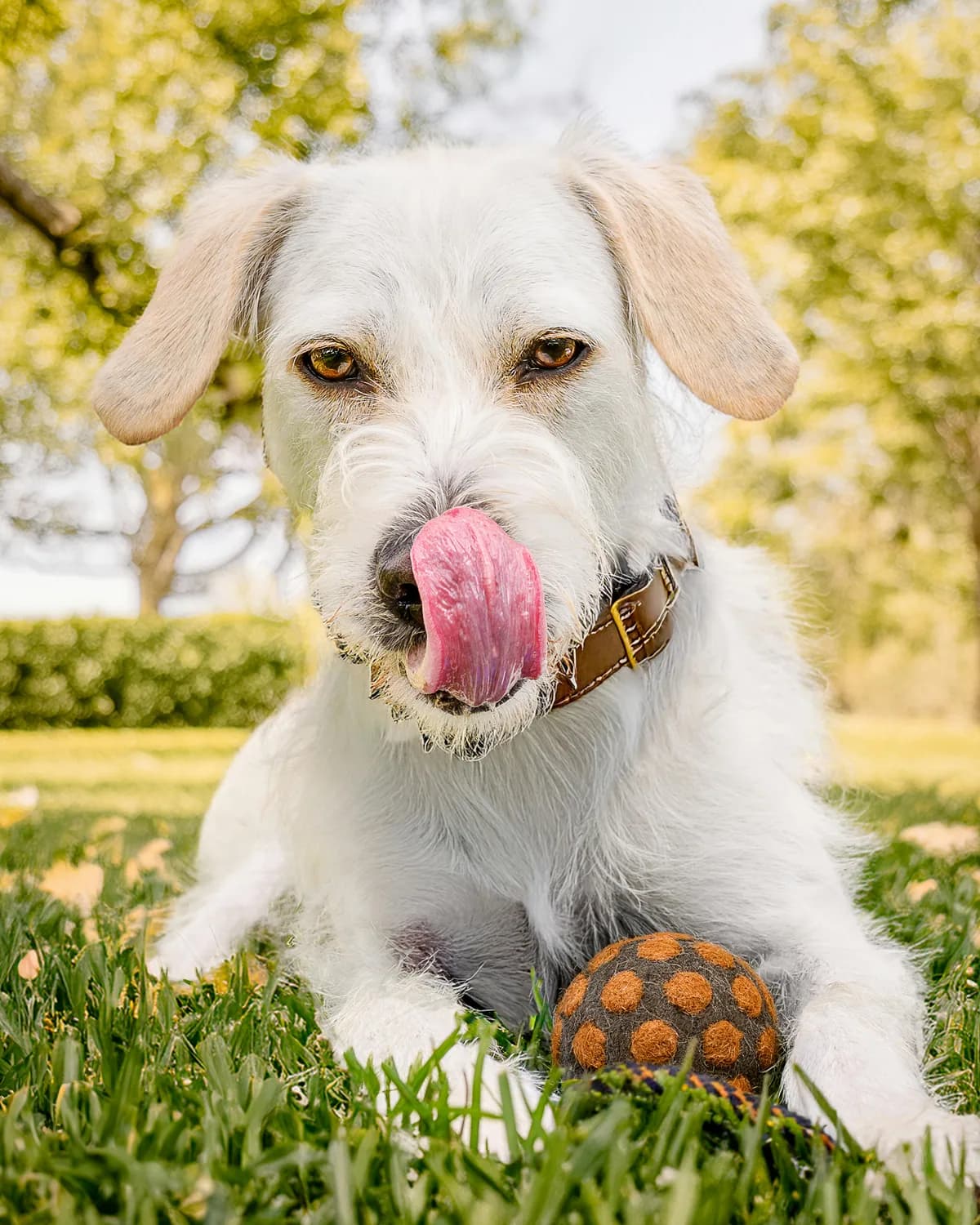
Sending your allergic dog to daycare requires careful planning and clear communication. Between shared water bowls, group treats, and other dogs' food remnants, daycare environments pose multiple allergy risks. With the right facility and proper protocols, your allergic dog can safely enjoy socialization and exercise.
By Gary, founder of Pet Allergy Scanner. 7+ years managing pet food allergies with my Cockapoo.
Quick Answer: Managing dog food allergies at daycare. Communicating with staff, allergen-free treat policies, preventing cross-contamination, finding allergy-friendly facilities.
Key Concern: Most allergy flares at daycare come from well-meaning staff giving treats or dogs stealing food from others. Prevention requires education and vigilance.
Finding an Allergy-Friendly Daycare
Questions to Ask Before Enrolling
| Question | What You Want to Hear | |----------|----------------------| | "How do you handle dogs with food allergies?" | Specific protocols in place | | "Can we provide our own treats?" | Yes, and they'll be stored properly | | "How are treats distributed?" | Individual, not group, distribution | | "What's in the treats you use?" | Ingredient transparency | | "How do you prevent food sharing?" | Supervised feeding, separate areas | | "Can you accommodate prescription diets?" | Yes, with proper storage | | "What's your staff training on allergies?" | Regular training provided |
Red Flags to Avoid
| Warning Sign | Why It's Concerning | |--------------|---------------------| | "All dogs get the same treats" | No accommodation for allergies | | "We've never had allergy issues" | Lack of awareness | | Unwillingness to use your treats | Inflexibility | | No written allergy policy | Nothing to hold them accountable | | Staff seems uninformed | Training gaps | | Group feeding practices | Cross-contamination risk |
Ideal Daycare Features
| Feature | Benefit | |---------|---------| | Individual treat storage | Prevents mix-ups | | Separate feeding areas | Controls food access | | Written allergy protocols | Consistent enforcement | | Staff allergy training | Informed handling | | Willing to go treat-free | Eliminates risk | | Small group sizes | Easier monitoring | | Open communication | Reports issues promptly |
Communicating Allergy Needs
Essential Information to Provide
| Information | Why Important | |-------------|---------------| | Specific allergens | Staff knows what to avoid | | Severity level | Determines urgency of avoidance | | Symptoms to watch | Early detection of reactions | | Emergency contact | Reach you quickly | | Veterinarian contact | Emergency care directions | | Emergency medication | If Benadryl is pre-approved |
Written Allergy Alert Card
Create a card for your dog's file including:
DOG'S NAME: ____________
OWNER: ____________
PHONE: ____________

FOOD ALLERGIES:
- [List specific allergens]

DO NOT GIVE:
- [List forbidden foods/treats]

SAFE TREATS:
- [List approved treats you're providing]

IF ACCIDENTAL EXPOSURE:
- [Instructions pre-agreed with your vet, e.g., "Call owner immediately, contact our vet clinic"]

VET CONTACT:
- [Veterinary clinic and phone]
The Initial Conversation
Topics to cover with daycare management:
| Topic | Discussion Points | |-------|-------------------| | Allergy severity | How serious reactions are | | Treat policy | What you're providing vs. their treats | | Group activities | Any involving food | | Staff awareness | How all staff will be informed | | Water bowls | Shared vs. individual (for severe allergies) | | Incident protocol | What happens if exposure occurs |
Providing Your Own Treats
Treat Preparation for Daycare
| Consideration | Best Practice | |---------------|---------------| | Packaging | Clear, labeled container | | Labeling | Dog's name, "ALLERGY SAFE" | | Quantity | Enough for day plus extra | | Storage instructions | If refrigeration needed | | Size | Training-treat sized for easy use |
Sample Treat Container Label
[DOG'S NAME] - ALLERGY SAFE TREATS

These are the ONLY treats [Name] can have.

DO NOT give any other treats, food, or table scraps.

Questions? Call owner: [Phone]
Treat Storage at Daycare
| Request | Purpose | |---------|---------| | Separate container | Prevents cross-contamination | | Labeled storage spot | Easy staff access | | Away from other treats | No mix-ups | | Staff knows location | Consistent access |
Preventing Cross-Contamination
Common Contamination Sources
| Source | Risk Level | Prevention | |--------|------------|------------| | Other dogs' food bowls | High | Supervised feeding | | Shared water bowls | Medium | Fresh water, individual bowls for severe cases | | Floor cleanup | Medium | Prompt food cleanup | | Other dogs' treats dropped | High | Monitor play areas | | Staff hands after handling treats | Medium | Hand washing between dogs | | Other dogs' drool/faces | Low-Medium | Monitor play (for severe allergies) |
Feeding Time Protocols
| Best Practice | Implementation | |---------------|----------------| | Separate feeding areas | Allergic dog eats in different space | | Supervised meals | Staff watches for food stealing | | Clean up immediately | No food left accessible | | Individual bowls | Not shared between dogs | | Consistent feeding time | Dog knows when food appears |
During Playtime
| Risk | Solution | |------|----------| | Treat-giving to group | Allergic dog separated or given own treats | | Other dogs drop treats | Staff monitors, cleans up | | Food-based training | Use safe treats for allergic dog | | Birthday parties/events | Advance notice, safe alternatives |
Staff Training Requirements
What Staff Should Know
| Knowledge Area | Key Points | |----------------|------------| | What allergies are | Immune response, not pickiness | | Your dog's specific allergens | Listed clearly | | Symptoms of reaction | What to watch for | | Emergency response | Steps to take if reaction occurs | | Safe treats location | Where stored, how to access | | Cross-contamination | How it happens, how to prevent |
Training Documentation
Ask daycare to confirm:
- [ ] All staff informed of your dog's allergies
- [ ] Information in your dog's file
- [ ] New staff will be trained
- [ ] Protocols reviewed regularly
Handling Incidents
If Accidental Exposure Occurs
| Step | Action | |------|--------| | 1 | Staff identifies possible exposure | | 2 | Remove dog from food source | | 3 | Contact owner immediately | | 4 | Follow pre-approved emergency protocol | | 5 | Document incident in writing | | 6 | Monitor symptoms closely |
Emergency Protocol Card
Leave this information with daycare:
| Scenario | Action | |----------|--------| | Mild exposure (single treat) | Monitor, contact owner, note symptoms | | Moderate exposure | Benadryl if approved, contact owner | | Symptoms developing | Contact owner and vet | | Severe reaction | Emergency vet immediately |
Post-Incident Discussion
After any incident, discuss:
- What happened
- How it could have been prevented
- Changes to protocols
- Whether daycare can prevent future incidents
Contract and Liability Considerations
What to Include in Written Agreements
| Element | Purpose | |---------|---------| | Allergy acknowledgment | Daycare confirms awareness | | Treat policy agreement | What will/won't be given | | Liability clarification | What happens if exposure occurs | | Incident reporting requirement | They must inform you | | Communication protocol | How/when you'll be contacted |
Sample Allergy Addendum Language
[Daycare Name] acknowledges that [Dog Name] has food allergies
to [specific allergens]. [Daycare] agrees to:

1. Only provide treats supplied by owner
2. Store treats separately from other treats
3. Supervise feeding to prevent food sharing
4. Notify owner immediately of any accidental exposure
5. Follow emergency protocols provided by owner

Owner provides safe treats for daycare use. Owner understands
daycare cannot guarantee zero exposure in group environment.
Special Situations
Holiday Parties and Special Events
| Concern | Solution | |---------|----------| | Party treats | Provide safe alternatives | | Birthday cakes | Ask for advance notice | | Holiday celebrations | Inquire about planned activities | | Photos with food props | Ensure props are safe |
Temporary Staff or Substitutes
| Risk | Mitigation | |------|------------| | Unfamiliarity with your dog | Allergy info prominently displayed | | Different treat habits | Protocols in writing | | Communication gaps | Manager ensures temp is briefed |
Multi-Day Boarding
| Consideration | Planning | |---------------|----------| | Meal provision | Bring exact portions needed + extra | | Treat supply | Enough for entire stay | | Feeding instructions | Written, detailed | | Emergency protocols | Updated contact info |
When Daycare Isn't Working
Signs the Daycare Isn't Managing Allergies Well
| Red Flag | What It Indicates | |----------|-------------------| | Repeated "accidental" exposures | Protocols not followed | | Staff seems unconcerned | Lack of training/care | | Symptoms after daycare visits | Ongoing exposure | | Dismissive attitude | Won't improve | | Unwillingness to communicate | Problems being hidden |
Alternatives to Traditional Daycare
| Option | Pros | Cons | |--------|------|------| | Private pet sitter | Individual attention | More expensive | | Home daycare (small group) | Fewer dogs, more control | Less socialization | | Trusted friend/family | Complete control | Availability | | Dog walker only | No feeding issues | Less socialization | | Training classes | Controlled environment | Limited hours |
Making the Decision to Leave
Consider switching if:
- Multiple incidents have occurred
- Staff doesn't seem to take allergies seriously
- Your dog has symptoms after most visits
- Communication is poor
- You don't trust the facility
Daycare Checklist
Before First Day
- [ ] Tour facility and ask allergy questions
- [ ] Provide written allergy information
- [ ] Confirm treat policy and provide safe treats
- [ ] Discuss emergency protocols
- [ ] Ensure all staff are informed
- [ ] Get agreement in writing
Ongoing Management
- [ ] Refresh treat supply regularly
- [ ] Update allergy information if it changes
- [ ] Ask about any incidents after each visit
- [ ] Monitor dog for symptoms after daycare
- [ ] Maintain open communication with staff
- [ ] Address concerns promptly
After Each Visit
- [ ] Check for any incident reports
- [ ] Watch for delayed allergy symptoms
- [ ] Verify treats were used (if applicable)
- [ ] Note any concerns to address
Related Articles
- Limited Ingredient Dog Food Comparison
- Puppy Food Allergies
- Senior Dog Food Allergies
- Training Treats for Allergic Dogs
- Traveling with Dog Food Allergies
Sources & Further Reading
For more information from trusted veterinary and pet health organizations:
- American Kennel Club - pet health guidance
- Tufts University Veterinary Nutrition - pet nutrition research
- AAFCO - pet food standards
Frequently Asked Questions
Can I ask a daycare not to give any treats?
Yes, many daycares will accommodate a no-treat policy for allergic dogs. They may use toys or praise as rewards instead. Some facilities use treats for management, so discuss alternatives. If they refuse to accommodate, it may not be the right facility.
What if my dog eats another dog's food at daycare?
Immediately contact the daycare for incident details (what was eaten, how much). Monitor for symptoms and contact your vet if concerned. Use the incident to discuss better prevention—perhaps your dog needs more supervision or separate feeding.
Should I mention allergies when making a reservation?
Yes, always. Mention allergies during the initial inquiry to ensure the facility can accommodate. It's better to find out early if they can't meet your needs rather than discover it on the first day.
How do I handle a daycare that isn't taking allergies seriously?
First, have a direct conversation with management about your concerns. Put your expectations in writing. If behavior doesn't change after a clear discussion, find a different facility. Your dog's health is more important than convenience.
Can dogs with severe allergies attend daycare safely?
It depends on the severity and the facility. Some very severe allergies may make traditional daycare too risky. Consider smaller home-based daycares, private pet sitting, or facilities willing to implement strict protocols. Always weigh socialization benefits against health risks.
What's the most common way dogs are exposed to allergens at daycare?
Treats given by staff and food stolen from other dogs are the most common causes. Group treat-giving without individual accommodation and inadequate supervision during meals create the highest risk. Clear communication and separate treat handling reduce these incidents significantly.
Summary: Daycare Success with Food Allergies
| Phase | Key Actions | |-------|-------------| | Finding daycare | Ask allergy-specific questions, verify protocols | | Enrolling | Provide written information, supply safe treats | | Communication | Clear expectations, emergency protocols | | Ongoing | Monitor symptoms, maintain dialogue, refresh supplies | | Problem-solving | Address incidents, know when to switch facilities |
With the right daycare and proper protocols, allergic dogs can safely enjoy daycare benefits. The key is thorough communication, written agreements, and ongoing vigilance. When a facility takes allergies seriously, it shows—trust your instincts.
The single best predictor of daycare safety for an allergic dog is the facility's culture, not their stated policy. A facility that takes the allergy seriously will show it in the conversation — they'll ask specific questions, suggest written protocols themselves, offer to share their incident-reporting process. Facilities that promise allergy-safety as a vague reassurance are usually the ones where the cross-contamination happens.
Trust the operational details. A daycare that knows where its treats come from, has a labelled feeding-bowl system for special-diet dogs, and trains staff on reading-and-checking food labels is the right partner. One that says "we'll be careful" without process is the wrong one.
Need help identifying safe treat ingredients? Use the free Pet Allergy Scanner to check before packing for daycare.
Is your pet's food safe?
Upload a photo of any pet food label and find out what's safe in seconds.
Try free scanFound this useful? Save it or share it with another pet owner.
Continue Reading
Dog Food Allergies in Multi-Pet Households: Management Strategies
Managing dog food allergies in multi-pet households. Separate feeding strategies, preventing food stealing, and keeping allergic dogs safe around other pets.

Dog Food Allergy Emergency: Anaphylaxis Recognition & Response
Anaphylaxis from food allergies is rare in dogs but can be fatal within minutes. Every dog owner must know these emergency warning signs and responses.

Grain-Free vs Grain-Inclusive Dog Food: 10–20% Need It
Only 10–20% of food-allergic dogs are actually grain-sensitive. We compare both diets, debunk the DCM myth, and show when grain-free is worth the cost.
How to Read Pet Food Labels for Allergens
Learn to decode pet food labels and spot hidden allergens. Understand AAFCO regulations, ingredient list tricks, and vague terms that conceal common triggers.
Cite this article
Gary Innes. (2026). Dog Food Allergies at Daycare: Communication & Safety Guide. Pet Allergy Scanner. Retrieved 2026-07-06T22:16:44.000Z from https://petallergyscanner.com/blog/dog-food-allergies-daycare/
For other citation styles or to embed our tools, see the press & citations page.
About the author — Gary Innes
Gary is a UK pet owner who built Pet Allergy Scanner after 7+ years navigating his Cockapoo's chronic food allergy — a dog whose safe diet has narrowed to salmon, venison and vegetables. He is not a veterinarian and has no veterinary or nutrition qualifications. Every article on the site is owner-to-owner research that cites primary veterinary sources (Mueller et al. BMC Vet Res 2016, ACVD, Merck Vet Manual) and defers diagnostic and treatment decisions to a vet.
Read more about Pet Allergy Scanner's editorial standards →