Dog Food Allergies + Yeast Infections: Anti-Yeast Diet Guide
70%+ of dogs with food allergies develop secondary yeast infections. Low-carb hypoallergenic diets can starve Malassezia and break the itch-scratch cycle.
By Gary — 7+ years managing my Cockapoo's food allergies. Sources cited below.
12 min read
Affiliate disclosure: A handful of the product links in this article are affiliate links. They cost you nothing extra and help fund the scanner tool.
Food allergies and yeast infections frequently occur together in dogs, creating a frustrating cycle. Food allergies compromise skin barrier function, allowing yeast (typically Malassezia) to overgrow. The resulting yeast infection causes intense itching, which owners often mistake for worsening allergies. Breaking this cycle requires addressing both conditions through strategic nutrition.
By Gary, founder of Pet Allergy Scanner. 7+ years managing pet food allergies with my Cockapoo.
Quick Answer: Managing dog food allergies + yeast infections. Low-carb hypoallergenic foods, anti-yeast diet, starving Malassezia through nutrition.
Critical Connection: Food allergies are one of the leading causes of chronic yeast infections in dogs. The inflammation and skin damage from allergic reactions create the perfect environment for yeast overgrowth. Treating yeast without addressing the underlying allergy leads to recurrence.
Understanding the Allergy-Yeast Connection
How Food Allergies Trigger Yeast Overgrowth
| Stage | What Happens | Result | |-------|--------------|--------| | 1. Allergen Exposure | Dog eats trigger protein | Immune response activated | | 2. Inflammation | Skin becomes inflamed, warm | Ideal yeast environment | | 3. Barrier Damage | Skin protective layer compromised | Yeast colonizes easily | | 4. Yeast Overgrowth | Malassezia multiplies | Intense itching, odor | | 5. Secondary Infection | Scratching introduces bacteria | Bacterial + yeast infection |
Recognizing Yeast Symptoms vs Allergy Symptoms
| Symptom | Likely Yeast | Likely Allergy | Both | |---------|--------------|----------------|------| | Musty/corn chip odor | Yes | No | - | | Greasy, waxy skin | Yes | No | - | | Brown discharge in ears | Yes | Sometimes | Common overlap | | Itching paws (licking) | Yes | Yes | Very common | | Red, irritated skin | Sometimes | Yes | Common overlap | | Hair loss | Sometimes | Yes | - | | Seasonal pattern | No | Often | - | | Location: ears, paws, folds | Yes | Variable | - |
The Malassezia Problem
Malassezia pachydermatis is a yeast naturally present on dog skin. It becomes problematic when:
- Skin barrier is damaged (from allergies)
- Moisture increases (ear canals, skin folds)
- Immune function is compromised (from chronic inflammation)
- Carbohydrate intake is high (yeast feeds on sugars)
Dietary Approach: Starving Yeast + Eliminating Allergens
The Dual Strategy
For Yeast:
- Low-carbohydrate diet (yeast feeds on sugars)
- Probiotics to rebalance gut flora
- Anti-inflammatory omega-3s
- Avoid high-glycemic ingredients
For Allergies:
- Novel protein source
- Limited ingredients
- No common allergens
- Hypoallergenic formulation
The Carbohydrate Controversy
Popular belief: "Carbs feed yeast, so go grain-free."
Reality: More nuanced. Here's what matters:
| Carb Type | Glycemic Impact | Yeast Effect | Best Choice? | |-----------|-----------------|--------------|--------------| | Simple sugars | High | Feeds yeast | Avoid | | White rice | High | May feed yeast | Limit | | Sweet potato | Moderate | Less problematic | Acceptable | | Oatmeal | Moderate | Usually fine | If tolerated | | Potato | Moderate | Less problematic | Acceptable | | Green vegetables | Low | Minimal | Good addition | | Lentils/peas | Low-Moderate | Usually fine | If tolerated |
Key Insight: Grain-free doesn't automatically mean low-carb. Many grain-free foods replace grains with potatoes, peas, or tapioca—still providing carbohydrates. Focus on overall carbohydrate content, not just grain elimination. The free allergen scanner parses the carb sources alongside the proteins so you can tell at a glance whether a "grain-free" formula is actually low-glycemic for a yeast-prone dog.
Best Foods for Yeast Infections + Allergies
Criteria for Ideal Foods
- Lower carbohydrate content (<35% carbs)
- Novel protein source (fish, duck, venison)
- Limited ingredients (8-12 items)
- Probiotics included (supports gut/skin health)
- High omega-3 content (anti-inflammatory)
- No common allergens (chicken, beef, wheat, corn)
Top Recommended Foods
1. Orijen Six Fish
Best High-Protein, Low-Carb Option
Orijen's fish-based formula provides exceptional protein with minimal carbohydrates, addressing both yeast and allergy concerns.
Key Features:
- 85% fish ingredients
- 38% protein, 18% fat
- Low carbohydrate (~20%)
- Six fish species (novel proteins)
- Natural omega-3s
- No grains or potatoes
Nutritional Profile: | Nutrient | Analysis | |----------|----------| | Protein | 38% | | Fat | 18% | | Fiber | 4% | | Carbohydrates | ~20% (calculated) | | Omega-3 | Exceptional |
Why It Works for Yeast:
- Very low carb reduces yeast food source
- Fish oils support skin barrier
- Multiple novel fish proteins
Price: Premium ($85-100 for 23-lb bag)
2. Wellness CORE Reduced Fat
Best for Overweight Dogs with Yeast Issues
Lower fat content with high protein helps dogs who've gained weight from reduced activity due to skin discomfort.
Key Features:
- Turkey primary protein
- 33% protein, 10% fat
- Probiotics included
- Grain-free
- Reduced calories
Nutritional Profile: | Nutrient | Analysis | |----------|----------| | Protein | 33% | | Fat | 10% | | Fiber | 8.5% | | Carbohydrates | ~35% | | Probiotics | Yes |
Limitation: Contains turkey (poultry)—not suitable for all allergy dogs.
Price: $55-65 for 26-lb bag
3. Natural Balance L.I.D. Fish & Sweet Potato
Best Limited Ingredient for Yeast
Strict limited ingredients with fish protein and moderate carbs make this a safe choice for most yeast-prone, allergic dogs.
Key Features:
- Salmon and fish meal protein
- Sweet potato carbohydrate (moderate glycemic)
- Truly limited ingredient list
- Grain-free
- Omega fatty acids
Nutritional Profile: | Nutrient | Analysis | |----------|----------| | Protein | 21% | | Fat | 10% | | Fiber | 4% | | Carbohydrates | ~45% | | Omega-3 | Good |
Note: Higher carb than Orijen, but still manageable for most yeast issues.
Price: $55-62 for 26-lb bag
4. Instinct Raw Boost Salmon
Best Raw-Influenced Option
Combines high-protein kibble with freeze-dried raw pieces for enhanced nutrition and palatability.
Key Features:
- Cage-free salmon
- Freeze-dried raw coating
- 33% protein
- Grain-free
- Probiotics included
- Lower carbohydrate
Nutritional Profile: | Nutrient | Analysis | |----------|----------| | Protein | 33% | | Fat | 18% | | Fiber | 4% | | Carbohydrates | ~25% | | Omega-3 | Excellent |
Price: $70-80 for 20-lb bag
5. Merrick Limited Ingredient Diet Salmon
Best with Built-In Probiotics
Merrick L.I.D. offers limited ingredients with added probiotics for gut health—important for managing yeast from the inside out.
Key Features:
- Deboned salmon first ingredient
- Probiotics included
- Grain-free
- Glucosamine (bonus for joint health)
- Made in USA
Nutritional Profile: | Nutrient | Analysis | |----------|----------| | Protein | 28% | | Fat | 12% | | Fiber | 4% | | Carbohydrates | ~35% | | Probiotics | Yes |
Price: $62-70 for 22-lb bag
6. Zignature Limited Ingredient Salmon
Best for Multiple Protein Allergies
Zignature takes an ultra-limited approach with single animal proteins and no common allergens.
Key Features:
- Salmon as only animal protein
- No chicken, corn, wheat, soy
- No potatoes
- Chickpea and pea base
- Low-glycemic carbohydrates
Nutritional Profile: | Nutrient | Analysis | |----------|----------| | Protein | 27% | | Fat | 14% | | Fiber | 4% | | Carbohydrates | ~35% |
Price: $60-68 for 25-lb bag
Prescription Options
Hill's Prescription Diet z/d
Best for Severe Allergies + Yeast
Hydrolyzed protein eliminates allergen triggers completely, allowing focus on yeast management.
Key Features:
- Hydrolyzed chicken liver
- Proteins too small to trigger allergies
- Highly digestible
- Veterinary formulated
- Skin support complex
Nutritional Profile: | Nutrient | Analysis | |----------|----------| | Protein | 18% | | Fat | 14% | | Fiber | 2.7% | | Carbohydrates | ~45% |
Limitation: Higher carb content. May need additional yeast strategies.
Price: $85-100 for 16-lb bag (prescription required)
Royal Canin Hydrolyzed Protein
Alternative Hydrolyzed Option
Royal Canin's hydrolyzed formula offers another prescription option for severe cases.
Key Features:
- Hydrolyzed soy protein
- Hypoallergenic
- Skin support
- Highly digestible
Price: $90-105 for 24-lb bag (prescription required)
Comparison Chart: Anti-Yeast + Hypoallergenic Foods
| Food | Protein % | Carbs % | Probiotics | Novel Protein | Price | |------|-----------|---------|------------|---------------|-------| | Orijen Six Fish | 38% | ~20% | No | Yes (fish) | $$$ | | Instinct Raw Salmon | 33% | ~25% | Yes | Yes (salmon) | $$$ | | Merrick L.I.D. Salmon | 28% | ~35% | Yes | Yes (salmon) | $$ | | Zignature Salmon | 27% | ~35% | No | Yes (salmon) | $$ | | Natural Balance L.I.D. | 21% | ~45% | No | Yes (fish) | $$ | | Hill's z/d | 18% | ~45% | No | Yes (hydrolyzed) | $$$ |
The Role of Probiotics
Gut-Skin Connection
The gut microbiome directly affects skin health and yeast balance:
| Gut Health Factor | Skin/Yeast Impact | |-------------------|-------------------| | Balanced gut flora | Stronger immune response | | Healthy gut barrier | Less systemic inflammation | | Proper digestion | Better nutrient absorption for skin | | Probiotic support | May reduce Malassezia overgrowth |
Best Probiotic Strategies
Foods with Built-In Probiotics:
- Merrick L.I.D. (all varieties)
- Wellness CORE (all varieties)
- Wellness Simple (all varieties)
- Instinct Raw Boost (all varieties)
Supplemental Probiotics: | Supplement | Strains | Best For | |------------|---------|----------| | Purina FortiFlora | Enterococcus faecium | General gut health | | Nutramax Proviable | Multiple strains | Comprehensive support | | Visbiome Vet | High-count multi-strain | Severe cases |
Dosage: Follow product instructions for veterinary-formulated probiotics, and ask your vet if you're unsure which product or amount to use.
Anti-Yeast Diet Strategies
Foods to Avoid
| Food/Ingredient | Why Problematic | |-----------------|-----------------| | Simple sugars | Direct yeast food | | Honey | High sugar content | | Fruit (in treats) | Natural sugars | | High-glycemic carbs | Spike blood sugar, feed yeast | | Dairy | Often allergenic + may feed yeast | | Moldy/fermented foods | Introduce more yeast |
Foods and Supplements That May Help
| Food/Supplement | Note | |-----------------|------| | Coconut oil (topical or small dietary amounts) | Contains caprylic acid; some antifungal evidence, discuss with vet | | Green vegetables | Low-glycemic, nutrient-dense | | Omega-3 fish oils | Support skin barrier and reduce inflammation |
⚠ Garlic warning: Garlic is sometimes listed in popular media as an antifungal food. Do not feed garlic to your dog — it contains N-propyl disulfide, which damages red blood cells and can cause hemolytic anaemia even in small amounts. The risks outweigh any unproven benefit.
Apple cider vinegar (ACV): Evidence for oral ACV is very limited. Topical diluted ACV (rinsed off after a few minutes) is more commonly used to adjust skin pH; check with your vet before applying it, especially on broken or inflamed skin.
Caution: Home remedies should complement, not replace, proper diet and veterinary treatment.
Feeding Strategies for Yeast + Allergy Dogs
Optimal Feeding Approach
| Strategy | Purpose | Implementation | |----------|---------|----------------| | Portion control | Prevent weight gain | Measure precisely | | 2 meals daily | Stable blood sugar | Morning and evening | | No treats with sugar | Eliminate yeast food | Single-ingredient proteins only | | Cool, dry storage | Prevent kibble mold | Airtight container | | Fresh water | Proper hydration | Clean bowl daily |
Safe Treats for Yeast-Prone Dogs
| Treat Type | Examples | Notes | |------------|----------|-------| | Freeze-dried proteins | Pure salmon, duck | No additives | | Dehydrated meat | Single-ingredient jerky | Check for sugars | | Fresh vegetables | Carrots, green beans | Low-carb, safe | | Commercial options | Limited ingredient treats | Match food protein |
Avoid: Biscuit-style treats (high carb), rawhide, dental chews with additives.
Managing Ear Yeast + Food Allergies
The Ear-Allergy Connection
Chronic ear infections are the #1 sign of food allergies in dogs. When combined with yeast:
Cycle:
- Food allergy inflames ear canal
- Warm, moist environment develops
- Malassezia overgrows
- Brown, waxy discharge appears
- Intense itching and head shaking
- Secondary bacterial infection possible
Dietary Impact on Ears
| Dietary Change | Expected Ear Improvement | |----------------|-------------------------| | Eliminate allergen | 4-8 weeks for inflammation reduction | | Lower carbohydrates | May reduce yeast food source | | Add omega-3s | Supports ear tissue health | | Probiotics | Helps overall immune function |
Important: Diet changes help prevent recurrence. Active ear infections require veterinary treatment (topical antifungals, cleaners).
Transitioning to Anti-Yeast Diet
Gradual Transition Schedule
For dogs with both conditions, transitions should be slow:
Weeks 1-2:
- 75% old food, 25% new food
- Monitor for digestive upset
Weeks 3-4:
- 50% old food, 50% new food
- Watch for yeast flares
Weeks 5-6:
- 25% old food, 75% new food
- Note any improvements
Week 7+:
- 100% new food
- Continue monitoring
What to Watch For
Positive Signs:
- Less scratching/licking
- Reduced odor
- Clearer ears
- Less paw licking
- Improved coat
Concerning Signs:
- Increased itching
- Digestive upset
- Worsening ear discharge
- New symptoms
If concerning signs appear, slow transition further or reconsider food choice.
Timeline for Improvement
Expected Progress
| Timeline | Yeast Improvement | Allergy Improvement | |----------|------------------|---------------------| | 2-4 weeks | Reduced itching starts | Digestive symptoms improve | | 4-8 weeks | Ear infections clearing | Skin inflammation reduces | | 8-12 weeks | Significant odor reduction | Coat quality improves | | 12+ weeks | Manageable with diet | Full assessment possible |
Note: Existing yeast infections may need veterinary treatment (antifungal medication) alongside diet changes. Diet prevents recurrence; medication treats active infection.
Related Articles
- Limited Ingredient Dog Food Comparison
- Dog Food Allergy Symptoms Guide
- Dog Elimination Diet Guide
- Dog Ear Infections Guide
- Best Dog Food for Allergies
Sources & Further Reading
For more information from trusted veterinary and pet health organizations:
- American Kennel Club - pet health guidance
- Tufts University Veterinary Nutrition - pet nutrition research
- AAFCO - pet food standards
Frequently Asked Questions
Will a grain-free diet cure my dog's yeast infections?
Not necessarily. Grain-free doesn't mean low-carb—many grain-free foods substitute high-carb alternatives. Focus on overall carbohydrate content and protein quality rather than simply avoiding grains.
How do I know if it's yeast or just allergies?
Yeast infections have distinctive signs:
- Musty, corn-chip odor
- Greasy, waxy skin or ears
- Brown/black ear discharge
- Intense licking of paws
- Darkened skin in affected areas
Allergies alone typically cause redness and itching without the characteristic odor and discharge.
Can I use coconut oil to treat yeast?
Topically, coconut oil may help due to caprylic acid's antifungal properties. However, it's not a cure for established infections. Use as supplement to proper treatment, not replacement.
Should I add apple cider vinegar to food?
Evidence for oral ACV improving yeast infections is very limited. Topically, diluted ACV is sometimes used to help normalise skin pH, but should be used cautiously on inflamed or broken skin — check with your vet before applying. I wouldn't add it to food without first discussing it with your vet.
How long until I see improvement?
Active yeast infections need 2-4 weeks of treatment to clear. Dietary changes preventing recurrence may take 8-12 weeks to fully assess. Patience is essential.
My dog's yeast keeps coming back. Why?
Recurrent yeast indicates an underlying cause isn't addressed:
- Unidentified food allergy (most common)
- Environmental allergies (atopy)
- Hypothyroidism
- Immune system issues
- Ongoing moisture exposure
Work with your vet to identify root cause.
The Verdict: Best Approach for Yeast + Allergies
Step 1: Choose the Right Food
Best Overall: Orijen Six Fish
- Lowest carbohydrate content
- Multiple novel fish proteins
- Exceptional omega-3s
- Addresses both conditions optimally
Best Value: Merrick L.I.D. Salmon
- Good balance of carbs and protein
- Built-in probiotics
- More affordable than premium options
- Widely available
For Severe Cases: Hill's z/d + Low-Carb Supplementation
- Eliminates allergen reactions completely
- Add fresh, low-carb protein if vet approves
- Use alongside antifungal treatment
Step 2: Add Supportive Elements
- Probiotic supplement (if food doesn't include)
- Fish oil supplement (if omega-3s are borderline)
- Safe, low-carb treats only
- Fresh, clean water always
Step 3: Treat Active Infections
Diet changes prevent recurrence but don't cure active infections:
- Veterinary antifungal medication
- Medicated ear cleaners
- Antifungal shampoo
- Topical treatments as prescribed
Step 4: Monitor Long-Term
- Watch for yeast recurrence
- Adjust diet if symptoms return
- Regular ear cleaning routine
- Ongoing probiotic support
Summary: Key Principles
- Address both conditions simultaneously - They're interconnected
- Lower carbohydrates help - But quality matters more than grain-free label
- Novel proteins essential - Eliminate allergy triggers
- Probiotics support recovery - Gut health affects skin health
- Veterinary treatment for active infections - Diet prevents, doesn't cure
- Patience required - 8-12 weeks for full assessment
Breaking the allergy-yeast cycle requires commitment to dietary change alongside proper veterinary care. Once the cycle breaks, maintenance through optimal nutrition keeps both conditions under control.
Is your pet's food safe?
Upload a photo of any pet food label and find out what's safe in seconds.
Try free scanFound this useful? Save it or share it with another pet owner.
Continue Reading
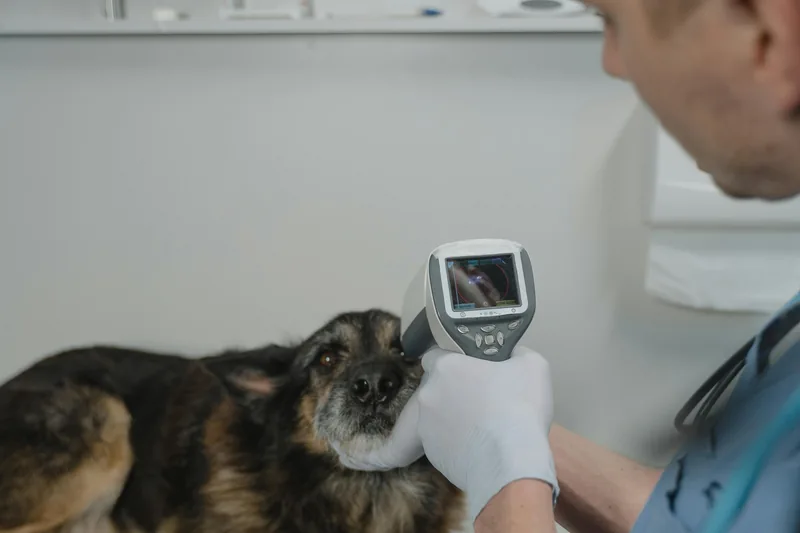
Dog Ear Infections from Food Allergies: The Hidden Connection
Discover why 80% of dogs with chronic ear infections have food allergies. Learn the signs, diagnosis steps, and dietary changes to stop recurring infections.
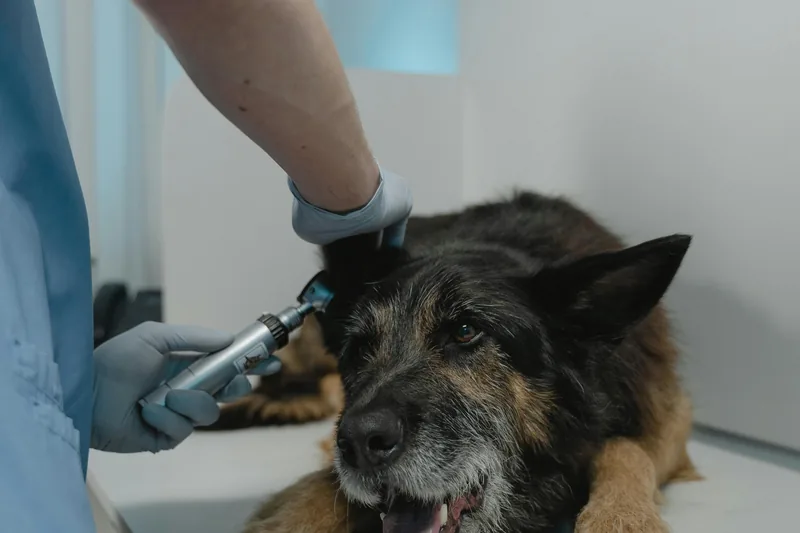
Dog Food Allergies + Chronic Ear Infections: Breaking the Cycle
80% of dogs with chronic ear infections have underlying allergies. Learn how food allergies trigger the ear infection cycle and how to break it with diet.
Dog Dry Skin vs Winter Allergies: How to Tell the Difference
Dry skin and winter allergies both cause itching but need different treatments. Identify which is affecting your dog with this symptom comparison guide.

Dog Food Allergy Symptoms: Complete Identification Guide
Identify dog food allergy symptoms including chronic itching, ear infections, and digestive issues. The key difference between food and environmental allergies.
Cite this article
Gary Innes. (2026). Dog Food Allergies + Yeast Infections: Anti-Yeast Diet Guide. Pet Allergy Scanner. Retrieved 2026-07-06T22:16:44.000Z from https://petallergyscanner.com/blog/dog-food-allergies-yeast-infections/
For other citation styles or to embed our tools, see the press & citations page.
About the author — Gary Innes
Gary is a UK pet owner who built Pet Allergy Scanner after 7+ years navigating his Cockapoo's chronic food allergy — a dog whose safe diet has narrowed to salmon, venison and vegetables. He is not a veterinarian and has no veterinary or nutrition qualifications. Every article on the site is owner-to-owner research that cites primary veterinary sources (Mueller et al. BMC Vet Res 2016, ACVD, Merck Vet Manual) and defers diagnostic and treatment decisions to a vet.
Read more about Pet Allergy Scanner's editorial standards →