Dog Food Allergy Symptoms: Complete Identification Guide
Identify dog food allergy symptoms including chronic itching, ear infections, and digestive issues. The key difference between food and environmental allergies.
By Gary — 7+ years managing my Cockapoo's food allergies. Sources cited below.
18 min read
Affiliate disclosure: Disclosure: certain product links pay a small commission if you buy. The price you pay doesn't change, and it keeps the scanner free.

By Gary, founder of Pet Allergy Scanner. 7+ years managing pet food allergies with my Cockapoo.
Roughly 10-15% of dogs with skin problems trace back to food allergy (Mueller et al., BMC Vet Res 2016) and the condition can significantly impact quality of life — but it is often misdiagnosed or overlooked. This guide covers how to identify food allergy symptoms, distinguish them from environmental allergies, and understand when to seek veterinary care.
Quick Answer: The primary dog food allergy symptoms are chronic year-round itching (especially face, paws, ears, and belly), recurring ear infections that return within weeks of treatment, and digestive issues like chronic soft stools or vomiting. The hallmark diagnostic clue is symptoms that persist year-round — not seasonally. Food allergies are reported in a small proportion of all dogs (with figures of 1-5% commonly described in veterinary literature; Mueller et al., BMC Vet Res 2016), most commonly developing between ages 1-5 after years of eating the same protein. Diagnosis requires an 8-12 week elimination diet, as blood tests are unreliable.
What Are Dog Food Allergies?
A food allergy is an immune system overreaction to a food protein — the body mistakenly identifies a protein (usually from meat) as a threat and mounts an inflammatory response. This is different from a food intolerance, which is a digestive reaction without immune involvement (like lactose intolerance). The term adverse food reaction covers both.
Food allergies vs food intolerances at a glance:
| Feature | Food allergy | Food intolerance | |---|---|---| | Immune system involvement | Yes — histamine release, inflammation | No — purely digestive | | Typical symptoms | Skin, ear, and GI signs | GI signs only | | Onset after eating | 2 hours to 2 weeks | Usually within hours | | Dose dependent | No — even tiny amounts trigger a reaction | Yes — more food, worse signs | | Management | Complete avoidance of the trigger | May tolerate small amounts; digestive enzymes can help |
Food allergies are reported in a small proportion of dogs overall (figures of 1-5% commonly described in veterinary literature) and roughly 10-15% of dogs with skin problems (Mueller et al., BMC Vet Res 2016). They most commonly develop between ages 1-5, though they can appear at any age — and often develop after years of eating the same food. Sensitization builds over time through repeated exposure.
Most Common Food Allergens
Allergen prevalence figures from Mueller et al., BMC Vet Res 2016 case-series synthesis:
| Allergen | Approx. % of Cases | |----------|-------------------| | Chicken | ~35-40% | | Beef | ~25-30% | | Dairy | ~20-25% | | Wheat | ~15-20% | | Egg | ~8-10% | | Lamb | ~5-8% | | Soy | ~5-8% | | Corn | ~4-6% |
Breeds at higher risk include Labrador Retrievers, Golden Retrievers, West Highland White Terriers, Cocker Spaniels, German Shepherds, Boxers, Dachshunds, Bulldogs (English and French), Pit Bulls, and Dalmatians — though any dog of any breed can develop food allergies. For the full breakdown, see the top 10 dog food allergens guide.
What Are the Main Symptoms of Food Allergies?
Skin Symptoms (around 60-70% of Cases in published case-series, Mueller et al., 2016)
Itching is the #1 symptom — constant, not occasional. Classic locations include the face (rubbing on carpet and furniture), paws (constant licking with brown saliva staining), ears (intense scratching, sometimes bloody), belly and groin (rubbing on ground, frequent licking), and armpits and inner thighs.
Visible skin changes include red inflamed skin (especially belly, paws, face), hot spots (acute moist dermatitis), hair loss from scratching, scabs and crusts, and thickened elephant-like skin in chronic cases. Food-allergy dermatitis tends to appear with bilateral symmetry — the same areas on both sides of the body are affected — which helps distinguish it from contact reactions or localised skin issues.
Ear Problems (Very Common)
Recurring ear infections are one of the strongest indicators of food allergies — case-series suggest a large share of food-allergic dogs develop chronic otitis, with some reports describing ear involvement in the majority of affected dogs (Mueller et al., BMC Vet Res 2016). Watch for red inflamed ear canals, brown or black waxy discharge, head shaking, foul yeasty ear odor, and pain when ears are touched. If ear infections return within 2-4 weeks of treatment — particularly when both ears are affected — food allergies deserve serious investigation. For more on this connection, see the ear infections guide.
Digestive Symptoms (around 30-40% of cases, case-series synthesis, Mueller et al., 2016)
Chronic diarrhea or consistently soft stools, recurring vomiting (2-3+ times per week), excessive gas, decreased appetite, gradual unexplained weight loss, mucus in stool, and occasional blood in stool from intestinal inflammation. Digestive symptoms typically occur 2-12 hours after eating and are chronic and recurring, not one-time events.
Vomiting: Food Allergy vs Other Causes
Chronic vomiting is one of the most commonly misattributed symptoms — owners often assume food allergies when the cause is something else entirely. Food allergy vomiting has a specific signature: it is chronic (2-3+ times per week), occurs 2-12 hours after meals (not immediately, not on an empty stomach), the vomit contains partially digested kibble, and the dog otherwise seems healthy and energetic between episodes. Vomit appearance is typically partially digested food or yellow/white bile from an empty stomach, sometimes with mucus, but rarely with blood. The vomiting symptoms hub covers the broader differential — pancreatitis, IBD, motion sickness — and the timing patterns vets use to separate them.
Use this table to compare patterns before assuming food allergy:
| Feature | Food allergy | Dietary indiscretion | IBD | Pancreatitis | Gastritis | |---|---|---|---|---|---| | Onset | Gradual, chronic | Sudden, acute | Chronic | Sudden | Variable | | Frequency | Regular pattern | One-off | Frequent | Episodes | Variable | | Timing | 2-12h after meals | Random | After meals | Any time | Any time | | Resolves with diet change | Yes | Resolves on its own | Persists | Needs treatment | Varies | | Itching present | ~50% of GI cases | No | No | No | No |
Common non-allergy causes of vomiting to rule out first:
- Dietary indiscretion — ate garbage, spoiled food, or a foreign object. One-off, resolves in 24-48 hours.
- Eating too fast — vomits within 30 minutes, undigested. Solved by a slow-feed bowl.
- Inflammatory bowel disease (IBD) — chronic vomiting plus severe diarrhea and weight loss. May overlap with food allergy and requires endoscopy to diagnose.
- Pancreatitis — severe vomiting, abdominal pain (hunched posture), lethargy. Veterinary emergency.
- Intestinal parasites — chronic vomiting and diarrhea, weight loss despite eating. Diagnosed by faecal test.
- Bilious vomiting (gastric reflux) — yellow bile in the morning on an empty stomach. Solved by a small bedtime snack.
- Gastritis — stomach inflammation from various causes, often with appetite loss.
- Toxin ingestion — sudden onset, possible exposure history. Veterinary emergency.
- Bloat / GDV — unproductive retching (trying to vomit but nothing comes out), distended abdomen, restlessness, pacing. Life-threatening emergency — go to the emergency vet immediately.
If a dog vomits blood (red or coffee-ground appearance), retches unproductively, has a distended abdomen, collapses, has pale gums, or vomits multiple times per hour, treat it as an emergency rather than a suspected food allergy.
Combination Symptoms (10-20% of Cases)
When a dog has BOTH skin and digestive issues simultaneously — itching plus diarrhea, ear infections plus vomiting, hot spots plus soft stools — this combination strongly suggests food allergies rather than other conditions.
Rare Symptoms (5-10% of Cases)
Less commonly, food allergies may cause respiratory symptoms (reverse sneezing, nasal discharge, watery eyes, occasional coughing or wheezing), behavioral changes (irritability or aggression, restlessness, sleep disruption, anxiety, depression or lethargy, decreased interest in activities), chronic anal gland issues (frequent scooting, recurrent impaction or infection — case-series suggest some allergic dogs need expression monthly rather than the typical 1-2 times yearly), or frequent UTIs.
Hives and Facial Swelling (Angioedema)
Some dogs develop raised, round welts that appear suddenly across the body — particularly on the face and muzzle, eyelids, ear flaps, and around the lips. Hives typically appear within 2-24 hours of allergen exposure. Most cases resolve on their own once the trigger is removed, but swelling that involves the throat or interferes with breathing is a medical emergency.
Seek emergency veterinary care immediately if a dog shows:
- Difficulty breathing or noisy breathing
- Significant swelling of the face, lips, or throat
- Excessive drooling
- Blue-tinged or pale gums
- Collapse, weakness, or sudden lethargy
These signs can indicate anaphylaxis or airway compromise and should not be managed at home.
Recurrent Secondary Infections
Damaged, inflamed skin and ear tissue creates an environment where bacteria and yeast overgrow, and these secondary infections often recur for as long as the underlying food allergy goes unaddressed. Two patterns are common:
- Bacterial pyoderma — pustules (pimple-like bumps), crusting and oozing, foul odour, sometimes yellow-green discharge. Vets typically discuss a course of antibiotics, but infections recur if the trigger remains in the diet.
- Yeast (Malassezia) infections — greasy, smelly skin; black or brown waxy debris in ears; a musty, corn-chip odour; commonly affects ears, paws, and skin folds. Vets typically discuss antifungal shampoos or oral antifungals, again with recurrence likely until the allergen is removed.
Repeated rounds of antibiotics or antifungals without lasting improvement is itself a clue that an underlying allergy may be driving the cycle.
Food Allergy Symptom Timeline
Symptom onset varies depending on the type of reaction. Veterinary literature reports the following general patterns:
| Timeframe after exposure | What is happening | Typical symptoms | |---|---|---| | 2-6 hours | Initial immune response | Vomiting, soft stools, hives | | 12-24 hours | Inflammation builds | Intense itching, skin redness | | 2-7 days | Chronic inflammation establishes | Ear infections, hot spots | | Weeks to months | Long-term tissue change | Hair loss, skin thickening, behavioral changes | | After elimination | Healing begins | Gradual improvement over 4-8 weeks |
Unlike environmental allergies, which follow seasonal pollen and grass cycles, food allergy symptoms persist year-round as long as the trigger protein remains in the diet.
Take action today: Use the free Pet Allergy Scanner to check your current pet food for hidden allergens and find safer alternatives.
How Severe Can Food Allergy Symptoms Get?
Symptom Severity Spectrum
Mild (20-30% of cases): Occasional itching (a few times per week), mild ear redness, occasional soft stools, no hot spots or infections. Quality of life mostly normal.
Moderate (50-60% of cases): Daily itching, recurring ear infections every 2-3 months, chronic soft stools or occasional diarrhea, some hair loss from scratching. Moderate impact on quality of life.
Severe (10-20% of cases): Constant scratching day and night, chronic monthly ear infections, hot spots and secondary skin infections (bacterial and yeast), chronic diarrhea, significant hair loss, and the dog is visibly miserable. Major impact on quality of life requiring aggressive treatment.
Symptom Severity by Dog Size and Breed
Case-series suggest that breed and size influence how food allergy symptoms typically present, though any dog can develop any pattern (Mueller et al., BMC Vet Res 2016).
Breed-tendency patterns commonly described in the literature:
- Golden Retrievers — severe skin issues and recurrent hot spots
- Labrador Retrievers — ear infections and persistent paw licking
- West Highland White Terriers — intense itching and skin lesions
- German Shepherds — combined GI and skin symptoms
- Boxers — hives and facial swelling more often than other breeds
- Cocker Spaniels — chronic ear infections (anatomy plays a role here too)
- Dachshunds — skin inflammation and patchy hair loss
Size considerations:
- Small breeds (under 20 lbs) — symptoms can appear more dramatic relative to body size, and small dogs may show signs of distress earlier
- Medium breeds (20-50 lbs) — typical symptom presentation
- Large breeds (over 50 lbs) — may tolerate ongoing allergen exposure longer before clinical signs become obvious
These tendencies are useful for pattern-recognition but not diagnostic — a Boxer can have classic paw licking without ever developing hives, and any breed can develop food allergies regardless of these typical patterns.
How Do Symptoms Look on Different Body Parts?
Face and head: Rubbing face on carpet, furniture, and ground. Red inflamed muzzle, tear staining from excessive eye discharge, and face scratching with paws.
Ears: Red inflamed ear canals, brown or black discharge, yeast odor (sweet, musty smell), head shaking, and pain when ears are touched. Infections that return 2-4 weeks after treatment are a key sign.
Paws: Constant licking and chewing, brown saliva staining between toes and on paw pads, red inflamed pads, swollen paws, and nail bed infections. Paw licking is one of the most common food allergy symptoms.
Belly and groin: Red inflamed belly skin, hair loss, rubbing belly on ground, licking groin area, hot spots, and dark pigmentation in chronic cases.
Armpits and inner thighs: Constant licking, red moist skin, hair loss, and yeast or bacterial infections with a musty smell.
Back and tail base: Scratching back, biting at tail base, hair loss, and hot spots — though back itching is more common with flea allergies than food allergies.
How Do You Tell Food Allergies from Environmental Allergies?
Year-Round vs. Seasonal Patterns
This is the single most important diagnostic clue.
Food allergies cause year-round symptoms (365 days), same severity across all seasons, often include digestive symptoms, and typically start between ages 1-5 after years of eating the same food.
Environmental allergies cause seasonal symptoms (worse spring through fall), improve or resolve in winter, follow clear pollen/grass/mold patterns, and rarely include digestive symptoms.
Combination (both): Year-round symptoms that worsen seasonally — the food component never fully resolves, but environmental triggers make it worse at certain times. For a detailed comparison, see the seasonal vs food allergies guide.
Where Symptoms Appear
Food allergies tend to affect the ears, paws, face, belly, and groin. Environmental allergies tend to affect similar areas but also the back, flanks, and between toes. Flea allergies characteristically affect the tail base and lower back.
Paw licking with brown saliva staining is one of the most common food allergy symptoms. For more on this specific sign, see the why is my dog licking paws guide.
What Happens If Food Allergies Go Untreated?
Secondary Complications
Left untreated, food allergies lead to progressively worse problems:
Skin infections — bacterial pyoderma (hot spots, pustules, foul odor) and yeast infections (musty smell, greasy flaky skin, brown discoloration) develop in damaged skin.
Chronic ear disease — repeated infections cause permanent ear canal thickening, potential hearing loss, and aural hematomas (blood-filled ear flaps from head shaking).
Permanent skin changes — lichenification (thick, elephant-like texture), hyperpigmentation (permanent darkening), and scarring from chronic inflammation.
Behavioral issues — sleep deprivation from nighttime itching, irritability, anxiety, and reduced quality of life. Chronic pain and discomfort can cause behavioral changes including aggression.
When to See the Vet
Urgent (24-48 hours): Severe facial swelling, difficulty breathing, bloody diarrhea, or signs of pain (whining, hiding).
Soon (1-2 weeks): Daily intense scratching, recurring ear infections, hot spots or skin infections, chronic diarrhea, or suspected food allergies.
Not sure about ingredients? Try the free Pet Allergy Scanner — scan any pet food label for common allergens in seconds.
How Should You Track Symptoms Before a Vet Visit?
Symptom Diary Checklist
Track the following daily for 2-4 weeks before your vet visit — this information helps your vet diagnose faster:
- Date and current food (brand and protein)
- Scratching frequency: rare (1-2x/day), moderate (5-10x/day), frequent (20+/day), or constant
- Body parts affected: face, ears, paws, belly, groin, armpits, back, other
- Digestive symptoms: normal stools, soft stools, diarrhea, vomiting, excessive gas
- Ear condition: normal, slightly red, very red, discharge present, odor present
- Sleep disruption: slept normally, woke 1-2 times to scratch, severe sleep disruption
- Any treats or table scraps given (list everything)
This diary is one of the most useful things you can bring to a vet appointment for suspected food allergies.
How Are Food Allergies Diagnosed?
Veterinary Exam
The vet will take a complete history (symptom timeline, diet history, medications), perform a physical exam (skin, ears, abdomen), rule out other causes through skin scrapings (parasites), cytology (infections), and fecal tests (GI parasites), and then discuss an elimination diet trial.
The Elimination Diet
Veterinary literature considers the elimination diet the most reliable diagnostic method — blood and saliva tests have significant false-positive rates and are not considered definitive by most veterinary dermatologists.
Choose ONE novel protein the dog has never eaten (venison, duck, rabbit, kangaroo). Stick to (under your vet's protocol) this diet for 8-12 weeks with no treats, table scraps, or flavoured medications. Track symptoms weekly. If symptoms improve, challenge with old food — if symptoms return, the allergy is confirmed.
Recommended foods for elimination trials: Natural Balance L.I.D. Duck & Potato, Wellness Simple Salmon, Hill's z/d (prescription), or Royal Canin Hydrolyzed Protein (prescription).
Conditions That Mimic Food Allergies
Flea allergy dermatitis — itching focused on the tail base and back, worse in warm months. Diagnosed by finding fleas or flea dirt, treated with strict flea control.
Environmental allergies (atopy) — seasonal itching with paw licking and face rubbing, worse spring and summer, responds to allergy medications.
Mange (sarcoptic or demodectic) — intense itching with hair loss, often starting on ears and elbows, diagnosed by skin scraping.
Contact dermatitis — localized itching only where contact occurs, diagnosed by pattern recognition, treated by avoiding the contact allergen.
Hypothyroidism — hair loss, weight gain, skin issues with gradual onset, diagnosed by blood test (T4 levels).
How Can You Provide Relief While Diagnosing?
The elimination diet takes 8-12 weeks before results become clear, and dogs do not need to suffer through that period without support. While the underlying cause is being identified, vets typically discuss several options to keep the dog comfortable.
Symptomatic relief vets may recommend:
- Anti-itch prescription medications — vets may discuss options such as oclacitinib (Apoquel) or lokivetmab (Cytopoint) injections, which target the itch pathway without the broad effects of steroids. These can be used during an elimination trial because they treat symptoms without altering food sensitivity testing. Prescription, dose, and suitability are decisions for the treating vet.
- Medicated shampoos and topical care — chlorhexidine or antifungal shampoos help control secondary bacterial and yeast infections in damaged skin
- Ear cleaning protocols — regular cleaning with a vet-recommended product to manage recurrent otitis between flares
- Treating active secondary infections — oral antibiotics or antifungals are often required if the skin barrier has broken down before the diet can resolve the underlying allergy
- Omega-3 supplementation — anti-inflammatory effects on skin; ask the vet for an appropriate amount based on the dog's weight
Important: symptomatic medication treats the discomfort, not the underlying allergy. The dog will continue to react every time the trigger protein is eaten, so identifying and removing the allergen remains the long-term solution.
Real Case Examples
Case 1: Classic Single-Protein Allergy
Dog: Bella, 3-year-old Golden Retriever Symptoms: Year-round paw licking (brown staining), recurring ear infections every 2 months, occasional soft stools, itching worse after meals Diet: Chicken-based kibble since puppyhood Diagnosis: Chicken allergy confirmed via elimination diet — switched to salmon-based food, symptoms resolved in 8 weeks. Challenge with chicken caused symptoms to return within days. Outcome: Permanent salmon diet, symptom-free for over a year.
Case 2: Multiple Allergens
Dog: Max, 5-year-old Labrador Symptoms: Constant all-day scratching, hot spots on belly, chronic diarrhea, monthly ear infections Diet: Beef and rice formula Diagnosis: Multiple food allergies (beef and wheat). First elimination trial with lamb and rice improved GI symptoms but itching persisted. Second trial with venison and sweet potato achieved full resolution in 12 weeks. Outcome: Grain-free venison diet, doing well with no recurring symptoms.
Case 3: Food and Environmental Combination
Dog: Luna, 4-year-old Boxer Symptoms: Year-round paw licking with worse itching in spring and summer, occasional ear infections Diagnosis: Chicken food allergy (year-round component) plus pollen allergy (seasonal worsening) Treatment: Duck-based limited ingredient food for the food component, Apoquel during pollen season for the environmental component. Outcome: Well-controlled with combination approach — year-round symptoms resolved, seasonal flares managed with medication.
Honest Take
The early symptoms of food allergy are easy to dismiss because they're small and intermittent — a bit of paw licking on the sofa, mild ear scratching, occasional belly redness. The pattern doesn't announce itself; it accumulates. The dogs that get diagnosed at the early-symptom stage rather than the chronic-infection stage are the dogs whose owners noticed the year-round nature of the signs.
That's the single most useful diagnostic anchor: year-round versus seasonal. Environmental allergies move with pollen seasons; food allergies don't. If the symptoms are consistent across the year and the ear-infection / scratching cycle has appeared more than twice, the food investigation is worth running before the third antibiotic course.
Sources & Further Reading
- American Kennel Club — Food Allergies in Dogs — allergy identification and symptom overview
- Merck Veterinary Manual — Food Allergy Diagnosis — clinical reference for food allergy diagnosis and elimination diet protocols
- American College of Veterinary Dermatology — dermatitis diagnosis and allergy management
- Tufts University Veterinary Nutrition — evidence-based guidance on elimination diets and hydrolyzed protein diets
- BMC Veterinary Research — Adverse Food Reactions — food allergy prevalence and diagnostic accuracy data
Related Articles
- Best Dog Food for Allergies
- Top 10 Dog Food Allergens
- Dog Elimination Diet Guide
- Seasonal vs Food Allergies in Dogs
- Dog Ear Infections Complete Guide
Frequently Asked Questions
Can Food Allergies Develop After Years of Eating the Same Food?
Yes — very common. Dogs typically eat a food for 2-6 years before allergies develop. The immune system sensitises through repeated exposure, so symptoms often appear suddenly despite years of tolerance.
Can Blood Tests Diagnose Food Allergies?
Blood and saliva allergy tests have significant false-positive rates for food allergens — most veterinary dermatologists don't recommend them as primary diagnostic. Veterinary literature considers the elimination diet trial (8-12 weeks) the most reliable method.
How Long Does It Take for Symptoms to Improve on New Food?
Digestive symptoms often improve within 2-4 weeks. Skin and ear symptoms take 4-8 weeks for noticeable improvement, 8-12 weeks for full resolution. Commit to the full trial period before judging.
Will My Dog Outgrow Food Allergies?
No. Food allergies are permanent — once the immune system is sensitised to a protein, it remains reactive. Management requires lifelong avoidance of the trigger.
Can Puppies Have Food Allergies?
Rare but possible. Food allergies require repeated exposure, so puppies under 6 months rarely have true food allergies. Most develop between ages 1-5, though onset can happen at any age.
How Long After Eating Do Food Allergy Symptoms Appear?
Acute reactions (vomiting, soft stools, hives) typically show within 2-6 hours. Chronic symptoms (ear inflammation, skin redness, hot spots) build over days to weeks of repeated exposure. This is why an elimination trial needs the full 8-12 weeks — short tests miss the slower skin and ear changes.
Can Food Allergies Cause Hives or Facial Swelling?
Yes, though it is less common than itching and ear infections. Hives appear as raised welts on face, eyelids, ear flaps, and lips, typically within 2-24 hours of exposure. Most cases self-resolve once the trigger is removed, but throat involvement or breathing difficulty is a medical emergency.
Are Certain Dog Breeds More Prone to Food Allergies?
Case-series suggest higher reported rates in Labrador Retrievers, Golden Retrievers, West Highland White Terriers, German Shepherds, Boxers, Cocker Spaniels, Dachshunds, English and French Bulldogs, and Dalmatians (Mueller et al., BMC Vet Res 2016). Any breed including mixed breeds can develop food allergies — breed alone neither confirms nor rules out the diagnosis.
Is your pet's food safe?
Upload a photo of any pet food label and find out what's safe in seconds.
Try free scanFound this useful? Save it or share it with another pet owner.
Continue Reading
Dog Dry Skin vs Winter Allergies: How to Tell the Difference
Dry skin and winter allergies both cause itching but need different treatments. Identify which is affecting your dog with this symptom comparison guide.
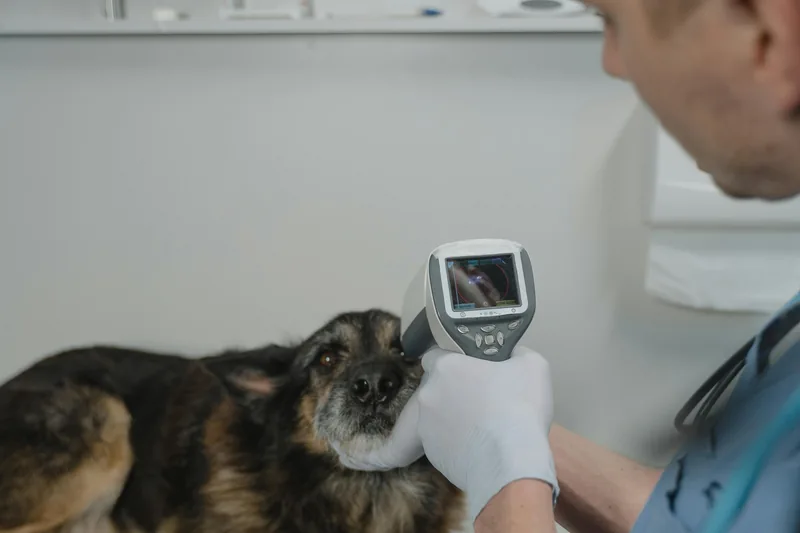
Dog Ear Infections from Food Allergies: The Hidden Connection
Discover why 80% of dogs with chronic ear infections have food allergies. Learn the signs, diagnosis steps, and dietary changes to stop recurring infections.
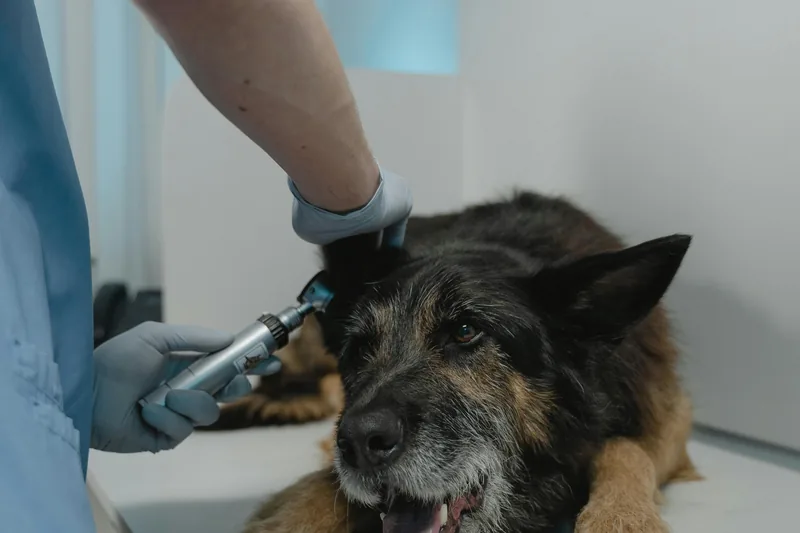
Dog Food Allergies + Chronic Ear Infections: Breaking the Cycle
80% of dogs with chronic ear infections have underlying allergies. Learn how food allergies trigger the ear infection cycle and how to break it with diet.
Dog Food Allergies + Yeast Infections: Anti-Yeast Diet Guide
70%+ of dogs with food allergies develop secondary yeast infections. Low-carb hypoallergenic diets can starve Malassezia and break the itch-scratch cycle.

Why Is My Dog Licking Their Paws? Complete Guide
Why dogs lick their paws excessively covering allergies as the top cause, food vs environmental triggers, brown saliva staining, and treatment options.
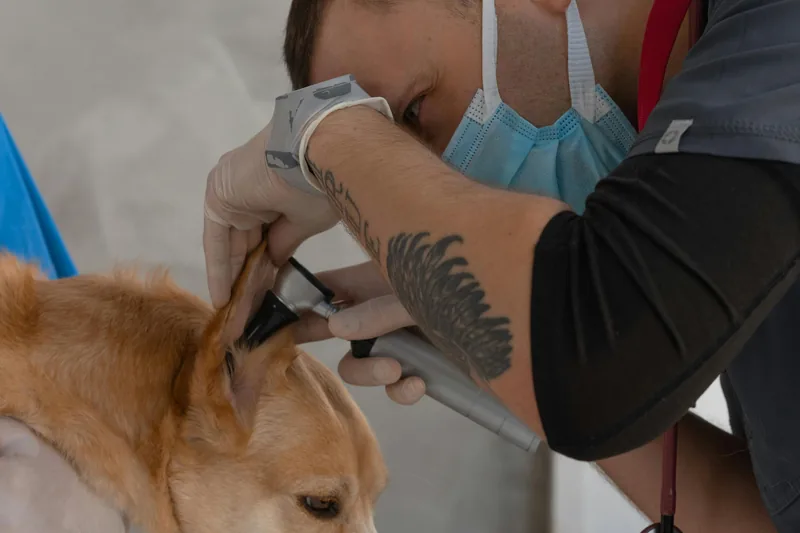
Dog Ear Infections: Causes, Symptoms & Treatment Guide
Ear infections are one of the top 5 reasons dogs visit vets — 80% are driven by underlying allergies. Causes, symptoms, treatment, and breaking the cycle.
Cite this article
Gary Innes. (2026). Dog Food Allergy Symptoms: Complete Identification Guide. Pet Allergy Scanner. Retrieved 2026-07-06T22:16:44.000Z from https://petallergyscanner.com/blog/dog-food-allergy-symptoms-complete-guide/
For other citation styles or to embed our tools, see the press & citations page.
About the author — Gary Innes
Gary is a UK pet owner who built Pet Allergy Scanner after 7+ years navigating his Cockapoo's chronic food allergy — a dog whose safe diet has narrowed to salmon, venison and vegetables. He is not a veterinarian and has no veterinary or nutrition qualifications. Every article on the site is owner-to-owner research that cites primary veterinary sources (Mueller et al. BMC Vet Res 2016, ACVD, Merck Vet Manual) and defers diagnostic and treatment decisions to a vet.
Read more about Pet Allergy Scanner's editorial standards →