Dog Scooting Their Bottom: When Food Allergy Is Behind It
Scooting that doesn't resolve with anal gland expression often traces back to an underlying food allergy. The mechanism, the patterns, and what to investigate.
By Gary — 7+ years managing my Cockapoo's food allergies. Sources cited below.
9 min read
Affiliate disclosure: A handful of the product links in this article are affiliate links. They cost you nothing extra and help fund the scanner tool.
By Gary, founder of Pet Allergy Scanner. 7+ years managing pet food allergies with my Cockapoo.
I earn a small commission from purchases through affiliate links in this article. This helps maintain the free scanner tool and costs you nothing extra.
Last Updated: May 2026
Quick Answer: Anal glands are designed to empty themselves when a dog passes a normally formed stool. When stool is consistently soft — a classic finding in food-allergic dogs — the glands fill, become uncomfortable, and the dog scoots. Mueller 2016 case-series data describes adverse food reactions producing GI signs in a substantial proportion of affected dogs. The investigation pathway, after parasites and masses are excluded, often leads to an elimination diet trial. Use our free scanner during the trial to audit any commercial food.
What Scooting Actually Means
Scooting — dragging the bottom along the floor — is a behavioural response to irritation. The Merck Veterinary Manual describes the most common drivers:
- Anal sacculitis or impaction — the small scent glands either side of the anus become full or inflamed.
- Perianal dermatitis — itchy or inflamed skin in the surrounding area.
- Internal or external parasites — particularly tapeworm segments and threadworms.
- Perianal masses — benign or malignant growths near the anus.
- Behavioural — occasional scooting in response to a transient irritation.
A single episode after a slightly off meal is rarely concerning. Recurring scooting — multiple episodes a week, or scooting that requires the vet to express the glands every few weeks — falls into a different category, and that is where the allergy connection becomes relevant.
Key Takeaways
- Healthy anal glands self-empty when a dog passes firm stool — chronically soft stool, common in food-allergic dogs, prevents this and the glands fill.
- Repeated manual expression is short-term relief, not a fix; if the stool driver isn't addressed the glands refill in 2–4 weeks.
- After parasites and perianal masses are ruled out, vets typically move to elimination diet investigation if stool stays soft despite reasonable diet and parasite control.
The Anal Gland Mechanism
Healthy anal glands function as scent reservoirs. They sit at roughly the four o'clock and eight o'clock positions inside the anus and produce a strongly scented liquid that ought to express in tiny amounts each time the dog passes a stool. The mechanical process described in standard veterinary anatomy texts:
- Firm stool moves down the rectum.
- It presses outward on the anal sacs as it passes.
- Small ducts release a small amount of secretion onto the stool surface.
- The glands, having been emptied, refill slowly over the following days.
Two things go wrong in chronically scooting dogs. First, the secretion thickens. Second, the mechanical squeeze required to empty the gland is not happening. Both pathways often share the same upstream cause: gut inflammation.
The Stool Consistency Connection
Mueller, Olivry & Prélaud's 2016 BMC Veterinary Research review summarised case-series data on adverse food reactions in dogs. Gastrointestinal signs — including soft stool, increased stool frequency, and intermittent diarrhoea — feature prominently as part of the food-allergic picture, alongside skin disease.
Soft stool affects glands in two ways:
- It does not generate the firm pressure needed to express the sacs naturally during defecation.
- It often increases defecation frequency, which paradoxically does not help — the glands need pressure, not just transit.
Over weeks, the glands sit progressively fuller, the secretion may thicken, and mild inflammation in the surrounding tissue begins. The dog feels the pressure as itch or discomfort and scoots.
Why Repeated Expression Becomes a Trap
Manual expression — by a vet, vet nurse, or sometimes a groomer — empties the glands and provides immediate relief. For a dog whose stool is reliably firm, occasional expression for a one-off problem is reasonable. For a dog with allergic GI inflammation, the loop looks like this:
- Soft stool fails to express the glands.
- Glands fill; dog becomes uncomfortable; scooting begins.
- Manual expression provides relief.
- Stool stays soft because the underlying allergy is unaddressed.
- Two to four weeks later, the glands are full again.
This is not a sign that anything is being done wrong by your vet — it is a sign that the driver of the soft stool has not been identified. Standard veterinary advice in Merck and ACVD educational materials is that recurrent anal sac problems warrant investigation of underlying causes rather than indefinite manual management. The anal glands symptoms hub covers the broader picture.
Ruling Out Other Causes
Before assuming food allergy, your vet may want to rule out:
- Parasites — a faecal sample to check for tapeworm proglottids, giardia, and other GI parasites. Tapeworm in particular causes itching around the anus that mimics gland trouble.
- Perianal masses — physical examination of the area for lumps, including perianal adenomas (more common in entire male dogs).
- Behavioural scooting — some dogs scoot occasionally without any underlying medical issue; pattern over time is what distinguishes this.
- Fibre deficit or excess — purely dietary, sometimes addressed by your vet recommending a fibre adjustment before allergy work.
- Concurrent dermatology — perianal yeast or bacterial infection, which may itself reflect underlying allergy.
A baseline blood panel and faecal screen are sensible first steps. Once those are clear, the conversation widens.
The Elimination Diet Pathway
When chronic soft stool and recurrent gland trouble continue without an obvious alternative explanation, an elimination diet trial is the standard investigation described in Mueller 2016 and ACVD consensus on adverse food reactions. The principles your vet may discuss:
- A truly novel single protein and carbohydrate, or a hydrolysed prescription diet.
- 8–12 weeks of strict, exclusive feeding — no treats, table scraps, flavoured medications, or chews from other sources.
- Re-challenge with the previous diet to confirm symptom return — this step is what makes the diagnosis.
Strictness matters. A single biscuit at week six can invalidate the trial. The week-by-week elimination diet protocol walks through realistic household management, and the Pet Allergy Scanner is a free tool that lets you scan dog food labels for the most common canine allergens — useful when you are choosing the trial diet or auditing for cross-contamination.
In my own household, my Cockapoo's scooting was one of the symptoms that took the longest to resolve during his elimination trial (the longer write-up of our journey covers what worked and what didn't). The skin signs settled in the first six weeks. The stool firmed up over the same period. The scooting eased gradually as his gland-filling pattern normalised — by about week ten he had stopped entirely. That timeline is consistent with what dermatology texts describe.
Fibre Adjustment as a First-Line Test
Before launching into an 8-week elimination diet, many vets suggest a 2-3 week fibre trial. Adding a measured amount of soluble fibre helps firm soft stool through a mechanism unrelated to food allergy, and if it resolves the scooting, the underlying cause may have been simple stool consistency rather than allergic inflammation. Common approaches:
- Plain canned pumpkin (not pumpkin pie filling — sugar / spice content matters) — 1-2 tablespoons per meal for a medium dog. Cheap, palatable, widely available.
- Psyllium husk (Metamucil unflavoured, or generic equivalent) — 1/4 to 1 teaspoon per meal depending on dog size. Your vet should confirm the dose.
- High-fibre prescription kibble — Hill's W/D, Royal Canin Fibre Response, Purina Pro Plan EN — vet prescription, used as a 2-3 week diagnostic step.
If 2-3 weeks of fibre supplementation resolves the scooting, the gland-filling problem was likely transit-related and you may not need a full elimination trial. If scooting persists despite firm stool, the upstream allergic inflammation hasn't been addressed and the elimination diet conversation re-enters.
Glands That Need Surgery
For dogs with anal gland disease that doesn't respond to either fibre, diet, or expression — recurrent abscess formation, ruptured glands, chronic fistulae — surgical sacculectomy (removal of the gland) is an option. UK cost: £600-1,200 per side. US cost: $800-1,800 per side. Recovery is usually straightforward but the surgery has a small risk of faecal incontinence if the surgical margins damage the sphincter, so most vets reserve it for genuinely persistent cases rather than routine recurrence.
Sacculectomy doesn't address the underlying inflammation if allergy is the driver — it just removes the symptom. A dog with allergic GI disease who has the glands removed may still have soft stool and other allergic signs requiring separate management. The investigation is the better long-term move.
When to Investigate Allergy Specifically
Discuss broader allergy investigation with your vet when any of the following apply:
- Glands need expressing more than three times in a year.
- Stool is consistently soft despite reasonable diet and parasite control.
- The dog has any other allergy-suggestive signs: itchy ears, paw licking, belly redness, hot spots.
- Your dog is a breed over-represented in atopic and food-allergic populations (Cockapoos, Labradors, French Bulldogs, West Highland White Terriers among others).
Compare these patterns against the full food allergy symptoms guide on this site. If multiple boxes are ticked, the case for an elimination trial strengthens.
Honest Take
Scooting is one of those symptoms that owners find embarrassing to bring up and easy to dismiss. The truth is that recurring scooting is rarely "just one of those things." It nearly always points to something concrete: parasites, mass, behaviour, or — most often when other causes are ruled out — chronic gut inflammation, which in younger and middle-aged dogs frequently traces back to food.
The frustrating part is that the elimination diet trial takes 8–12 weeks of strict feeding before you can be confident in the answer. The reward is a dog who passes a firm stool, empties their own glands, and stops needing periodic vet visits for expression. Use the scanner to make label-checking quick. Run the trial properly the first time. The cycle does break.
Sources & Further Reading
- Mueller RS, Olivry T, Prélaud P. Critically appraised topic on adverse food reactions of companion animals (2): common food allergen sources in dogs and cats. BMC Veterinary Research. 2016;12:9.
- Merck Veterinary Manual. Anal Sac Disease in Dogs and Adverse Food Reactions in Dogs sections (online edition).
- American College of Veterinary Dermatology (ACVD). Consensus guidelines on adverse food reactions and atopic dermatitis.
Related Articles
- Dog Elimination Diet Guide
- Dog Food Allergy Symptoms Complete Guide
- Dog Food Allergies and Yeast Infections
- Seasonal vs Food Allergies in Dogs
- Anal Gland Symptoms Hub
Frequently Asked Questions
Does scooting always mean anal gland trouble? Usually it points to anal gland or perianal irritation, but parasites, masses, and dermatitis can produce the same behaviour. A vet examination is the appropriate first step.
Can food allergy really cause scooting? In most reported cases of recurrent gland trouble where other causes have been excluded, allergic inflammation producing soft stool is a documented underlying mechanism. Mueller 2016 case-series data supports food reactions as a frequent contributor.
How often is it normal for glands to need expressing? Many healthy dogs never need manual expression in their entire lives. A dog requiring expression several times a year is described in standard veterinary references as a candidate for further investigation.
Will switching to a high-fibre food fix it? Sometimes a fibre adjustment helps by firming stool, and your vet may recommend this as a first-line trial. If scooting persists despite firm stool, the underlying driver — often allergy — needs investigation.
Could it be tapeworm rather than allergy? Possibly. Tapeworm segments cause itching around the anus and can produce scooting. A faecal sample and a check for visible segments around the bottom or in the bedding rules this out.
My dog has both itchy paws and scooting — could they be connected? Quite possibly. Multi-site signs — paws, ears, belly, anal area — are described in dermatology literature as classic for atopic and food-allergic disease. Your vet can assess the broader picture.
Disclaimer: This article is for educational purposes only and does not replace professional veterinary advice. Always consult your veterinarian before making dietary changes for your pet. Individual results may vary.
Is your pet's food safe?
Upload a photo of any pet food label and find out what's safe in seconds.
Try free scanFound this useful? Save it or share it with another pet owner.
Continue Reading
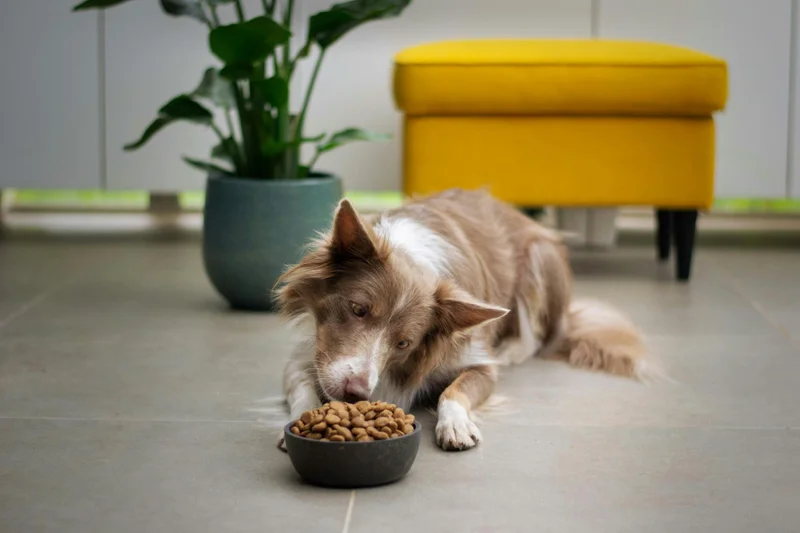
Dog Elimination Diet: An 8-12 Week Owner's Guide
An owner's walk-through of the elimination diet — what your vet may recommend, the 8-12 week protocol they'll commonly outline, and the mistakes that wreck a trial.
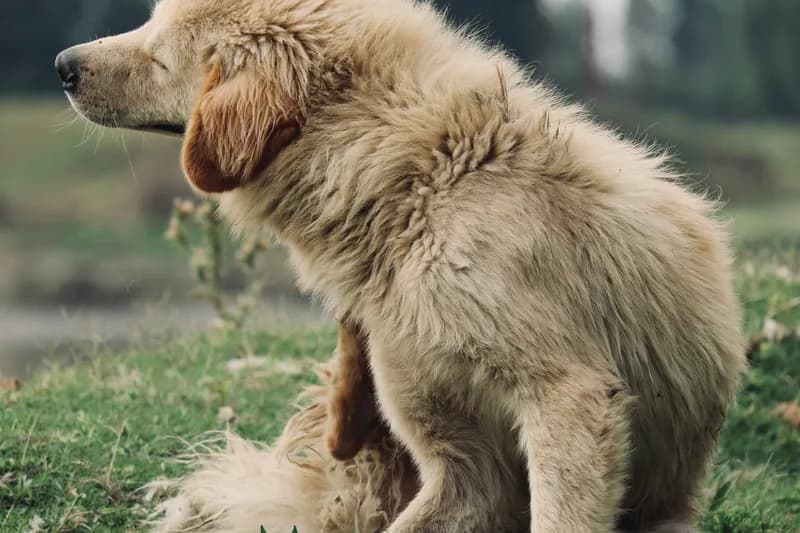
Dog Food Allergy Symptoms: Complete Identification Guide
Identify dog food allergy symptoms including chronic itching, ear infections, and digestive issues. The key difference between food and environmental allergies.
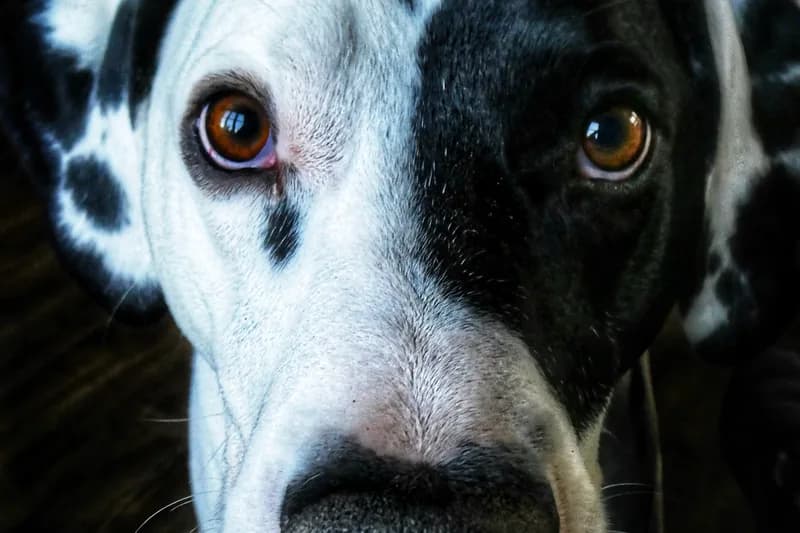
Seasonal vs Food Allergies in Dogs: How to Tell the Difference
Learn how to distinguish seasonal from food allergies in dogs. Covers timing patterns, symptom differences, diagnostic testing, and treatment approaches.
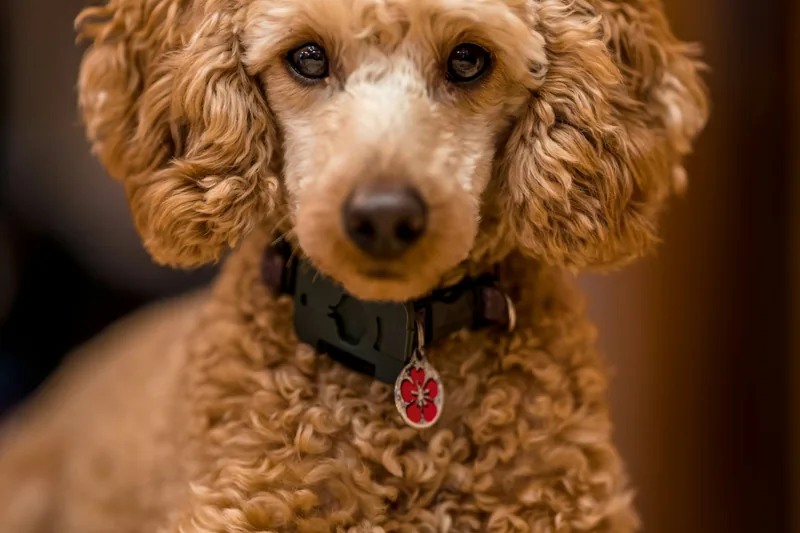
Best Hypoallergenic Dog Foods: Complete Buyer's Guide
Hypoallergenic is unregulated in pet food. Compare hydrolyzed prescriptions, novel proteins, and limited ingredient diets ranked by effectiveness for allergic dogs.
Cite this article
Gary Innes. (2026). Dog Scooting Their Bottom: When Food Allergy Is Behind It. Pet Allergy Scanner. Retrieved 2026-07-06T22:16:44.000Z from https://petallergyscanner.com/blog/dog-scooting-bottom-food-allergy/
For other citation styles or to embed our tools, see the press & citations page.
About the author — Gary Innes
Gary is a UK pet owner who built Pet Allergy Scanner after 7+ years navigating his Cockapoo's chronic food allergy — a dog whose safe diet has narrowed to salmon, venison and vegetables. He is not a veterinarian and has no veterinary or nutrition qualifications. Every article on the site is owner-to-owner research that cites primary veterinary sources (Mueller et al. BMC Vet Res 2016, ACVD, Merck Vet Manual) and defers diagnostic and treatment decisions to a vet.
Read more about Pet Allergy Scanner's editorial standards →