Shih Tzu Food Allergies: 3-4x Higher Rate Than Mixed Breeds
Shih Tzu food allergy guide covering breed-specific skin symptoms, facial fold infections, common triggers, and best hypoallergenic foods for Shih Tzus.
By Gary — 7+ years managing my Cockapoo's food allergies. Sources cited below.
10 min read
Affiliate disclosure: A handful of the product links in this article are affiliate links. They cost you nothing extra and help fund the scanner tool.

By Gary, founder of Pet Allergy Scanner. 7+ years managing pet food allergies with my Cockapoo.
Shih Tzus face distinct food allergy challenges due to their sensitive skin barrier, facial fold anatomy, and limited genetic diversity. Despite their thick double coat, Shih Tzus have delicate skin prone to inflammation, and their flat-faced structure creates skin folds that trap allergens and bacteria. When food allergies cause inflammation, these folds become infected hotspots. This guide covers Shih Tzu-specific allergy patterns, breed-specific symptoms, diagnosis, and the best foods for allergic Shih Tzus.
Quick Answer: Shih Tzus develop food allergies at rates significantly higher than mixed breeds due to limited genetic diversity and sensitive skin barrier function. Chicken, beef, dairy, and wheat are the most common triggers. Breed-specific symptoms include facial fold infections, chronic ear infections, intense itching with coat staining, and digestive upset. Diagnosis requires an 8-12 week elimination diet with a novel protein. Limited ingredient diets like Natural Balance L.I.D. or Wellness Simple Salmon provide Shih Tzu-appropriate options, while prescription Hill's z/d addresses severe cases. For more on toy breed allergies, see the Yorkshire Terrier food allergies guide.
Why Are Shih Tzus Prone to Food Allergies?
The breed's limited genetic diversity — most Shih Tzus trace back to just 14 foundation dogs imported from China — concentrates immune dysfunction alongside desired traits. Centuries of selective breeding for companionship and appearance amplified genes affecting immune function, creating a breed predisposed to allergic overreaction.
Despite their thick double coat, Shih Tzus have delicate, sensitive skin with a less robust skin barrier than many breeds. This allows allergens to penetrate more easily and trigger immune responses. The Shih Tzu's flat face and shortened airways create skin folds around the muzzle, eyes, and neck — warm, moist areas that trap allergens, bacteria, and yeast. When food allergies cause inflammation, these facial folds become hotspots for infection and irritation.
Shih Tzus also have faster metabolic rates than larger dogs, processing food quickly through their small digestive systems. This rapid transit may not allow sufficient time for proper protein digestion, potentially increasing allergenic protein fragments that trigger immune responses. Dogs with environmental allergies (atopy) have a 30-40% chance of also developing food allergies, as the compromised immune system becomes hyperreactive to multiple triggers. For more on allergen patterns, see the top 10 dog food allergens guide.
What Are the Symptoms in Shih Tzus?
Skin and Coat Symptoms
Skin symptoms are most prominent: intense itching especially around the face, ears, paws, and belly; red inflamed skin; hot spots in skin fold areas; hair loss and thinning coat; and paw licking and chewing that causes telltale pink-brown saliva staining on white fur. Shih Tzus' facial folds — particularly around the muzzle, eyes, and neck — trap moisture and allergens, creating bacterial and yeast infections that compound allergy symptoms.
Ear and Respiratory Symptoms
Chronic ear infections resistant to standard treatments are extremely common in allergic Shih Tzus — often the first or most prominent symptom. Red inflamed canals, excessive wax production, head shaking, and foul-smelling ears that require repeated treatment strongly suggest food allergy. Some owners report being at the vet every month for ear infections before discovering the underlying food allergy. Some Shih Tzus also develop increased reverse sneezing, nasal discharge, and breathing difficulties exacerbated by allergies — given their already compromised brachycephalic airways, this can be particularly concerning.
Digestive Symptoms
Digestive symptoms include soft stools or intermittent diarrhea, increased stool frequency, occasional vomiting, excessive gas, and decreased appetite. These can be subtle but often accompany the more obvious skin symptoms. For help distinguishing food allergy patterns from other causes, see the dog skin allergies diagnostic guide.
Emergency warning signs: Seek immediate care for facial swelling, difficulty breathing, collapse, bloody diarrhea, or continuous vomiting.
Take action today: Use the free Pet Allergy Scanner to check your current pet food for hidden allergens and find safer alternatives.
How Do You Diagnose Food Allergies in a Shih Tzu?
The veterinarian should first conduct a complete examination including skin cytology to check for yeast and bacteria, parasite screening, and assessment of facial folds and ears. Active skin fold infections must be treated before starting an elimination diet — otherwise, improvement from antibiotics will be confused with dietary improvement.
Veterinary literature (Mueller et al., BMC Vet Res 2016) treats the strict elimination diet as the most reliable diagnostic for canine food allergy. — 80-90% accurate. Choose a novel protein the Shih Tzu has never eaten (venison, duck, rabbit, kangaroo, or salmon) and stick to that food for 8-12 weeks with absolutely nothing else — no treats, table scraps, flavored medications, or supplements. Monitor symptoms daily and keep detailed notes. Most food-allergic Shih Tzus show improvement within 4-6 weeks for skin symptoms and significant resolution by 8-12 weeks. For the complete step-by-step protocol, see the dog elimination diet guide.
After symptoms resolve, reintroduce old ingredients one at a time, waiting 7-14 days between each. If symptoms return with a specific ingredient, that allergen is confirmed.
Diagnosis Cost Breakdown
| Item | Estimated Cost | Notes | |------|---------------|-------| | Veterinary exam + skin cytology | $150-$300 | Initial workup | | Elimination diet food (8-12 weeks) | $200-$500 | Small breed portions keep costs lower | | Veterinary monitoring during trial | $250-$500 | Follow-up visits and rechecks | | Total diagnostic process | $600-$1,300 | Over 3-6 months |
Blood IgE tests have only 50-70% accuracy with high false-positive rates. At-home sensitivity tests lack scientific validation. The elimination diet remains the only reliable diagnostic method.
Not sure about ingredients? Try the free Pet Allergy Scanner — scan any pet food label for common allergens in seconds.
What Should You Feed an Allergic Shih Tzu?
Limited Ingredient Diets
For Shih Tzus with a single identified allergen, limited ingredient diets with novel proteins work well.
Natural Balance L.I.D. Sweet Potato & Venison Small Breed — Novel protein with small kibble ideal for Shih Tzus. 30+ year track record, widely available. $2.75-$3.25/lb. Check Price on Amazon →
Wellness Simple Salmon — Single protein with limited ingredients. Easily digestible formula designed for sensitive dogs. $3.25-$3.75/lb. Check Price on Amazon →
Blue Buffalo Basics Small Breed Turkey — Limited ingredients with small kibble size. Budget-friendly option. $2.50-$3.00/lb. Check Price on Amazon →
Canidae PURE Salmon — Salmon-based with added probiotics to support gut health during transition. Multiple protein options available.
Zignature Kangaroo — Extremely novel protein with zero common allergen overlap. Kangaroo is so uncommon that very few dogs have built sensitivity.
Acana Singles Duck & Pear — 50-60% meat content with only 5-8 total ingredients. Premium quality with biologically appropriate ratios.
For a full brand comparison, see the limited ingredient dog food comparison.
Prescription Hydrolyzed Diets
For Shih Tzus allergic to multiple proteins, prescription hydrolyzed diets achieve 85-95% success rates. Hill's z/d Small Bites uses hydrolyzed chicken liver — available in small bites suitable for toy breeds, with documented efficacy in published case-series. $4.50-$5.00/lb. Check Price on Amazon →
Royal Canin HP uses hydrolyzed soy protein with skin barrier support. $4.25-$4.75/lb. Check Price on Amazon →
Both break proteins into molecules too small to trigger immune responses. For more prescription options, see the best prescription dog food for allergies guide.
Portion Sizes and Supplements
For a typical 10-16 pound adult Shih Tzu: 1/2 to 1 cup daily divided into 2 meals. Puppies need 3/4 to 1.25 cups divided into 3 meals. Seniors typically require 1/3 to 3/4 cup daily. Monitor weight carefully — Shih Tzus easily become overweight, which complicates allergy symptoms.
Recommended supplements: Omega-3 fatty acids, probiotics, and vitamin E are commonly used for allergic dogs and can support skin barrier function alongside dietary management. Ask your vet about appropriate amounts for your Shih Tzu's weight — toy breeds need significantly lower doses than figures cited for larger breeds.
How Do You Transition and Manage Treats?
Transition Protocol
Use a gradual 7-10 day transition to avoid digestive upset. For sensitive stomachs, extend to 14 days.
| Days | New Food | Old Food | |------|----------|----------| | 1-2 | 25% | 75% | | 3-4 | 50% | 50% | | 5-7 | 75% | 25% | | 8-10 | 100% | 0% |
Mix foods thoroughly so picky Shih Tzus cannot pick out just the old food. Warm the food slightly to enhance aroma and increase palatability. Monitor stools closely and track symptoms daily.
Safe Treats
Keep treats at or below 10% of daily calories — roughly 30-35 calories for an average 10-16 pound Shih Tzu. Single-ingredient freeze-dried novel proteins (venison, duck, salmon) are the safest option. Ensure treats match the elimination diet protein to avoid undermining the trial.
Single-ingredient options: Freeze-dried venison or duck treats, sweet potato chews, carrot sticks, and blueberries (3-5 daily).
Homemade sweet potato chews: Slice sweet potatoes 1/4 inch thick and bake at 250 degrees F for 2.5 hours. Store in an airtight container.
Commercial options: Zuke's Mini Naturals come in novel protein options sized for small mouths. Natural Balance L.I.T. treats match their limited ingredient foods.
How Do You Manage Shih Tzu Food Allergies Long-Term?
Fold and Skin Hygiene
Daily facial fold cleaning is critical for allergic Shih Tzus. Use vet-approved wipes or warm water and dry thoroughly — moisture promotes infections. Clean around the eyes, muzzle, and neck folds daily. Weekly ear cleaning helps prevent recurring infections. Regular bathing every 2-3 weeks with hypoallergenic shampoo removes allergens from the coat without stripping natural oils. Professional grooming monthly keeps the coat healthy and allows early detection of skin issues.
Ongoing Diet Management
Maintain strict allergen avoidance permanently — food allergies are typically lifelong. Read every label every time, as manufacturers change formulas. Inform all family members, dog walkers, groomers, and trainers about the allergy. Even small amounts of allergenic proteins maintain symptoms — one treat at a gathering can set progress back weeks. Monitor weight carefully — Shih Tzus easily become overweight, which complicates allergy symptoms.
Annual Cost Estimates
| Category | Annual Cost | |----------|------------| | Hypoallergenic food (small breed portions) | $400-$800 | | Treats (limited ingredient) | $50-$100 | | Supplements (omega-3, probiotics) | $100-$200 | | Veterinary monitoring | $200-$400 | | Grooming (monthly) | $400-$600 | | Total | $1,150-$2,100 |
The breed's small size keeps food costs more manageable than for large breeds — a bag of premium food lasts significantly longer.
Honest Take
Shih Tzus combine the facial fold challenges of brachycephalic breeds with a coat that needs regular professional grooming regardless of any allergy. The maintenance load is therefore higher than for most breeds — daily fold hygiene plus 6-8 weekly grooming plus dietary discipline plus the usual ear and skin checks.
The compensating advantage is small body size: hypoallergenic food costs are far more manageable than for a large breed, even on premium novel-protein formulations. Lock in the dietary plan, treat fold hygiene as permanent rather than diet-trial-temporary, and brief the groomer on allergy-safe shampoos.
Sources & Further Reading
- American Kennel Club — Shih Tzu Breed Health — breed-specific health information and allergy prevalence
- Merck Veterinary Manual — Food Allergy Diagnosis — clinical reference for elimination diets and dietary management
- American College of Veterinary Dermatology — dermatological testing and allergy management protocols
- Tufts University Veterinary Nutrition — evidence-based research on elimination diets and novel protein foods
- BMC Veterinary Research — Adverse Food Reactions — allergen prevalence data and breed-specific allergy research
Related Articles
Frequently Asked Questions
How Long Before a Shih Tzu Improves on New Food?
Most show noticeable improvement within 4-8 weeks. Itching typically decreases first around 4-6 weeks, followed by skin healing at 6-8 weeks. Ear infections resolve in 6-10 weeks. Complete resolution takes 8-12 weeks. If no improvement appears after 12 weeks of strict compliance, food allergies may not be the primary issue — environmental allergies should be investigated.
Will a Shih Tzu Outgrow Food Allergies?
No. Food allergies in Shih Tzus are typically lifelong conditions requiring permanent dietary management. The immune system's reaction to specific proteins remains constant throughout life. Once the immune system identifies a protein as dangerous, it maintains that memory indefinitely.
Are Grain-Free Diets Better for Shih Tzus with Allergies?
Not necessarily. Most Shih Tzus react to proteins (chicken, beef, dairy) rather than grains. The FDA investigated potential links between grain-free, legume-heavy diets and heart disease in dogs. Choose foods based on the specific allergen identified through an elimination diet, not marketing claims. For more on this topic, see the grain-free vs grain-inclusive guide.
How Do You Clean Facial Folds While Managing Food Allergies?
Clean daily with warm water and a soft cloth or fragrance-free hypoallergenic wipes. Dry thoroughly — moisture promotes infections. For infected folds, use vet-prescribed medicated wipes. Even on a perfect allergy diet, Shih Tzus require lifelong daily fold hygiene due to their anatomy.
Can Both Food and Environmental Allergies Affect a Shih Tzu?
Yes. 30-40% of allergic dogs have both food and environmental allergies simultaneously. Shih Tzus with both types show baseline year-round symptoms from food allergies with seasonal flare-ups when pollen or mold levels rise. Treating only one type leaves the dog partially suffering. An elimination diet addresses food allergies, while environmental allergies may require separate testing and treatment with medications like Apoquel or Cytopoint.
Can Homemade Food Help a Shih Tzu with Allergies?
Yes, but only with formulation from a board-certified veterinary nutritionist. Homemade diets need a novel protein, appropriate carbohydrate source, healthy fats, and essential supplements. Professional guidance costs $150-$350 but prevents nutritional deficiencies that are particularly problematic for small breeds. Commercial limited ingredient or hydrolyzed diets are safer for most owners.
Is your pet's food safe?
Upload a photo of any pet food label and find out what's safe in seconds.
Try free scanFound this useful? Save it or share it with another pet owner.
Continue Reading

Yorkshire Terrier Food Allergies: 12-16% Affected Guide
Yorkie food allergy guide covering small breed digestive sensitivity, hypoglycemia risk during elimination diets, common triggers, and best foods for Yorkies.
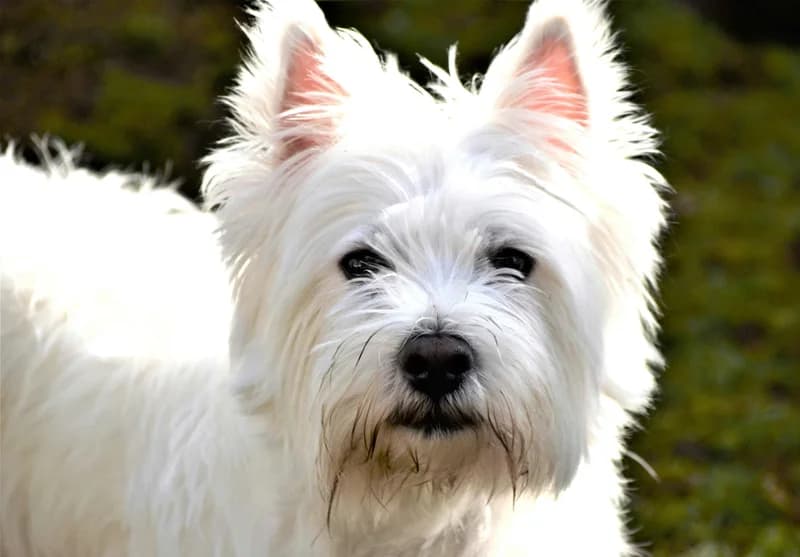
Westie Food Allergies: Skin & Yeast Care Owner's Guide
Westie food allergy guide: breed-specific skin barrier dysfunction, the Malassezia yeast cycle, and vet-led elimination diet patterns that fit the breed.

Maltipoo Food Allergies: Tear Staining & Best Foods Guide
Maltipoos inherit allergy-prone genetics from both Maltese and Poodle parents. Tear staining diet links, symptoms, and best hypoallergenic toy breed foods.
Best Dog Food for Allergies: Complete Guide & Reviews
Beef and chicken cause 65%+ of canine food allergies. Compare 10 limited ingredient, hydrolyzed, and novel protein diets with the exact foods vets recommend.
Cite this article
Gary Innes. (2026). Shih Tzu Food Allergies: 3-4x Higher Rate Than Mixed Breeds. Pet Allergy Scanner. Retrieved 2026-05-29T09:11:07.000Z from https://petallergyscanner.com/blog/shih-tzu-food-allergies-sensitive-skin/
For other citation styles or to embed our tools, see the press & citations page.
About the author — Gary Innes
Gary is a UK pet owner who built Pet Allergy Scanner after 7+ years navigating his Cockapoo's chronic food allergy — a dog whose safe diet has narrowed to salmon, venison and vegetables. He is not a veterinarian and has no veterinary or nutrition qualifications. Every article on the site is owner-to-owner research that cites primary veterinary sources (Mueller et al. BMC Vet Res 2016, ACVD, Merck Vet Manual) and defers diagnostic and treatment decisions to a vet.
Read more about Pet Allergy Scanner's editorial standards →