Dog's Paws Itchy After Eating? What to Look For
When a dog's paws get itchy specifically after meals, food allergy is the leading suspect. The signs that point to food, and what to investigate next.
By Gary — 7+ years managing my Cockapoo's food allergies. Sources cited below.
9 min read
Affiliate disclosure: When a recommendation links to a retailer, that's usually an affiliate link — your purchase price stays the same and a slice helps cover the site's running costs.
By Gary, founder of Pet Allergy Scanner. 7+ years managing pet food allergies with my Cockapoo.
I earn a small commission from purchases through affiliate links in this article. This helps maintain the free scanner tool and costs you nothing extra.
Last Updated: May 2026
Quick Answer: If your dog's paws get itchy soon after eating, the most likely culprits are proteins in the meal — but only an elimination diet supervised by a vet can confirm it. Start a symptom diary now and use the free scanner to audit ingredients in everything you feed.
Why Paws Itch After Meals
Paws are one of the most reactive skin sites in the dog. The skin between the toes is thinner, the area is in constant contact with the floor, and there are dense populations of nerve endings and immune cells in the foot pads and webbing. When a dog mounts an immune response to a food protein, mast cells across the body release histamine and other inflammatory mediators, and the paws are often where the resulting itch is felt most acutely.
Mueller, Olivry & Prélaud (BMC Vet Res 2016) reviewed the published literature on adverse food reactions in dogs and reported that pruritus — itching — is the predominant clinical sign, with the paws, ears, face and ventral abdomen being the most commonly affected sites. The American College of Veterinary Dermatology (ACVD) describes a similar distribution.
The mechanism is not unique to food. Environmental allergens (atopic dermatitis) can produce an identical paw-itch picture. The distinguishing feature people often notice at home is timing relative to meals.
Key Takeaways
- Paw itching within a few hours of eating most often points to a protein in the meal, but the symptom alone isn't diagnostic — only a vet-supervised elimination diet can confirm.
- Veterinary literature treats blood and saliva food-allergy tests as supportive at best (high reported false-positive rates) and the elimination trial as the reference diagnostic.
- Start a daily symptom diary (time of itch, severity 1–10, what was fed, what was outdoors) before the vet visit — that record is what makes the consultation productive.
Immediate vs Delayed Reaction Patterns
True IgE-mediated reactions in dogs are rarer than in humans, but they do occur and can produce signs within minutes to an hour of eating. More commonly, adverse food reactions in dogs are non-IgE delayed-type reactions, where signs build over hours or accumulate over days.
In practice, owners report two patterns:
Immediate-onset post-meal itching (within ~2 hours): The dog finishes a meal, then within minutes to a couple of hours starts licking or chewing paws. This pattern is the easiest to spot at home but is not specific to a particular antigen — it tells you a meal-related trigger is plausible, not which ingredient.
Slow-burn itching (over days): The itch is constant but worsens after each exposure. The dog seems "always a bit itchy", and the paws never fully settle. This is the more typical presentation in chronic food-allergic dogs and is harder to recognise without a diary.
Either pattern warrants the same next step: a structured diagnostic process with your vet.
What to Track in a Symptom Diary
The single most useful thing you can do before your vet appointment is keep a written log for two to three weeks. Research describes elimination diet outcomes as far more reliable when owners can present accurate baseline data. Record:
- Time of every meal and what was fed (including treats, chews, table scraps and flavoured medications)
- Time of every itching episode — paws, ears, belly, face
- Severity on a simple 1–5 scale
- Other GI signs — stool quality, vomiting, gassiness
- Environmental context — recent walks in long grass, new bedding, household cleaning products
Bring photos of any visible paw redness, saliva-staining or interdigital lesions. The paw licking symptom hub has a printable diary template.
You can also audit every label by scanning it through the free Pet Allergy Scanner — many treats and dental chews contain proteins that owners forget to count.
Common Dietary Triggers
Mueller et al. (BMC Vet Res 2016) compiled the published case-series data on confirmed food allergens in dogs. The most frequently reported triggers were:
- Beef — reported in roughly a third of confirmed cases
- Dairy — second most common
- Chicken — close behind
- Wheat, lamb, soy, egg, pork, fish — less frequent but documented
This is not a list of "bad" ingredients — these are simply the proteins dogs are most often exposed to over time, and exposure is a prerequisite for sensitisation. A dog cannot react to a protein it has never eaten.
For a deeper dive on the elimination process see the complete guide to dog food allergy symptoms and the skin allergy diagnostic guide.
Non-Food Causes That Mimic the Pattern
Before assuming food is the trigger, a few non-food causes produce identical "itchy paws after eating" appearances:
- Walk-meal timing coincidence — if meals consistently follow walks, the paws may be reacting to grass, pollen, or pavement chemicals picked up before the meal, not to the food itself. Test: wipe paws thoroughly after every walk for two weeks. If itching reduces, the trigger was outdoor.
- Bowl material reaction — plastic bowls can develop microabrasions that harbour bacteria, and some dogs react to the bowl material itself. Switch to stainless steel or ceramic for a fortnight before launching into a food trial.
- Water source — chlorinated tap water (UK and US) and certain mineral-heavy borehole supplies can cause low-grade contact reactions on the muzzle and paws (especially in dogs that paw at water bowls). Filtered water is cheap to test.
- Floor cleaner residue — strongly fragranced or chemical-heavy floor cleaners leave residue dogs walk through, then lick. Switch to plain water mopping for two weeks if the timing fits.
- Heat or surface reaction — hot summer tarmac, ice melt grit in winter. Seasonal pattern is the giveaway.
A simple two-week elimination of these environmental confounders before starting the dietary trial saves a lot of misattribution. If the itching resolves with one of these changes, the food trial wasn't needed.
Common Mistakes That Confound the Diary
The two-week symptom diary is only useful if you control the variables. The patterns that ruin a diagnosis:
- Multiple proteins in the same meal — kibbles that combine chicken + lamb + beef make it impossible to isolate the trigger. Switch to a single-protein meal during the diary period.
- Inconsistent treats — treats during the diary period must match the meal protein or be excluded entirely. Beef training treats during a salmon meal week make the data unreadable.
- Unrecorded "small" exposures — pill pockets, the kids dropping crumbs, the partner sneaking cheese cubes. Diary entries that say "the same as yesterday" miss these silent exposures.
- Changing more than one variable — switching food AND switching bedding AND starting a new flea preventative in the same week means any improvement (or worsening) can't be attributed.
The most informative diary is the most boring one: same food, same routine, same bedding, just track what's happening.
What the Improvement Timeline Looks Like
If a food trial is run properly and the trigger is found, owners typically see:
- Weeks 1-2: Minimal visible change. The food sensitisation that built up over months doesn't reverse in a week.
- Weeks 3-4: First reduction in evening paw chewing. Inflammation visibly settling.
- Weeks 5-8: Brown saliva-staining stops accumulating (existing stain doesn't fade — it grows out with the coat).
- Weeks 8-12: Skin between toes returns to normal colour and texture. Yeast smell resolves if any secondary overgrowth has been treated alongside.
If you're at week 4 of a strict trial with zero improvement, the trigger probably isn't food — that's diagnostic information too, and the next step with your vet is an environmental allergy workup.
When to See Your Vet
Book an appointment if any of the following apply:
- Paw licking has been going on for more than two weeks
- The skin between the toes is red, swollen, weeping or has a yeasty smell
- The dog is also showing recurrent ear infections, scratching the belly raw, or GI signs
- You see lameness, broken skin, or the dog can't settle at night
Your vet may recommend ruling out fleas, mites, secondary bacterial or yeast infection, and contact irritation before assuming food. They may also discuss serum or saliva testing — bear in mind that veterinary literature does not currently endorse these as diagnostic for adverse food reactions; they're best thought of as adjuncts.
The Elimination Diet Approach
The ACVD and Merck Veterinary Manual both describe a strict elimination diet as the diagnostic standard. The principle is simple: feed only one novel protein and one novel carbohydrate (or a hydrolysed prescription diet) for 8 weeks, see if signs resolve, then re-challenge with suspected ingredients to confirm the trigger.
What "strict" means in practice:
- No flavoured pills, no dental chews, no table scraps, no shared treats
- Whoever in the household feeds the dog needs to be on board
- The trial runs the full 8 weeks even if signs improve at week 3
A full step-by-step walk-through is in the dog elimination diet guide. To check whether a treat or chew might break the trial, run it through the Pet Allergy Scanner first.
If signs resolve on the diet and return on re-challenge, that's a confirmed adverse food reaction. From there, your vet may recommend a long-term diet that avoids the identified protein.
Honest Take
My Cockapoo's first clear signal was paw licking after dinner. Nothing dramatic — just enough that I started noticing it sat on the sofa most evenings. I tried the obvious things first (rinsing paws after walks, changing his bed) before a vet conversation steered me towards a proper elimination trial. What surprised me was how much "stealth" exposure was happening — flavoured wormers, training treats, the kids slipping him bits of cheese. The diary made it obvious.
I'd say two things to anyone in the same spot. First, the diary is non-negotiable; without it you'll second-guess every observation. Second, treat the elimination diet as a project with an end date — eight weeks of strict feeding is hard, but it's finite and it gives you an answer.
Sources & Further Reading
- Mueller, R.S., Olivry, T., & Prélaud, P. (2016). Critically appraised topic on adverse food reactions of companion animals (2): common food allergen sources in dogs and cats. BMC Veterinary Research 12:9.
- American College of Veterinary Dermatology (ACVD) — position statements on cutaneous adverse food reactions.
- Merck Veterinary Manual — Food Allergy in Small Animals.
- Olivry, T., Mueller, R.S., & Prélaud, P. (2015). Critically appraised topic on adverse food reactions of companion animals (1): duration of elimination diets. BMC Veterinary Research 11:225.
Related Articles
- Dog Elimination Diet: Step-by-Step Guide
- Dog Food Allergy Symptoms: The Complete Guide
- Dog Skin Allergies vs Food: Diagnostic Guide
- Seasonal vs Food Allergies in Dogs
- Why Is My Dog Licking Their Paws?
Frequently Asked Questions
Can a dog be allergic to a food it has eaten for years? Yes — usually, sensitisation develops with repeated exposure, so allergies more often appear to a familiar protein than to a brand-new one. Research describes onset at any age.
How long after eating does an allergic reaction show up? In most reported cases, signs build over hours to days rather than appearing immediately. Some dogs do show post-meal itching within an hour or two, but that pattern is less typical.
Are blood or saliva tests reliable for finding the trigger? Usually not as a stand-alone diagnostic. Veterinary literature (Mueller et al., BMC Vet Res 2016) treats the strict elimination diet as the most reliable diagnostic for canine food allergy; serum and saliva tests can support but not replace it.
Should I switch foods straight away? Generally no. Random switches can make diagnosis harder. Your vet may recommend a structured elimination protocol instead.
Can I do an elimination diet without a vet? It's possible but not advised. A vet can rule out other causes, recommend an appropriate trial diet, and interpret the re-challenge phase.
Is grain-free food the answer? Not on its own. Grains are uncommon triggers in published case-series; most confirmed reactions are to animal proteins.
Disclaimer: This article is for educational purposes only and does not replace professional veterinary advice. Always consult your veterinarian before making dietary changes for your pet. Individual results may vary.
Is your pet's food safe?
Upload a photo of any pet food label and find out what's safe in seconds.
Try free scanFound this useful? Save it or share it with another pet owner.
Continue Reading
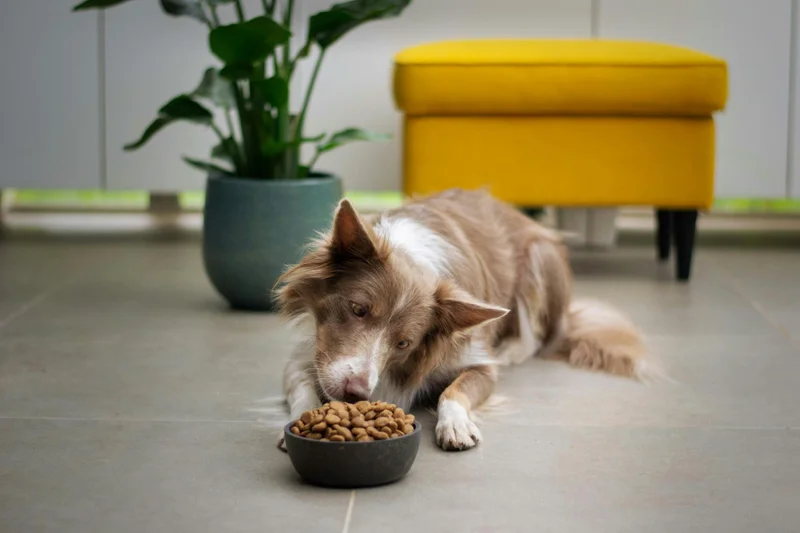
Dog Elimination Diet: An 8-12 Week Owner's Guide
An owner's walk-through of the elimination diet — what your vet may recommend, the 8-12 week protocol they'll commonly outline, and the mistakes that wreck a trial.

Dog Food Allergy Symptoms: Complete Identification Guide
Identify dog food allergy symptoms including chronic itching, ear infections, and digestive issues. The key difference between food and environmental allergies.
Seasonal vs Food Allergies in Dogs: How to Tell the Difference
Learn how to distinguish seasonal from food allergies in dogs. Covers timing patterns, symptom differences, diagnostic testing, and treatment approaches.
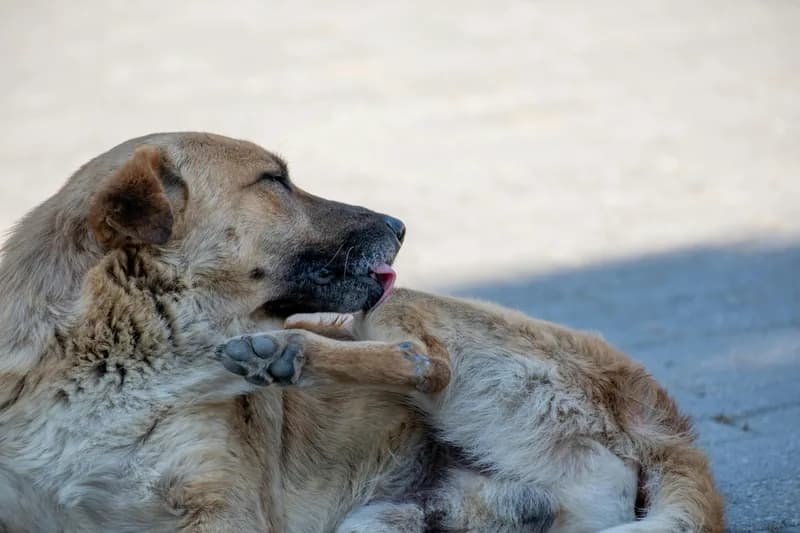
Why Is My Dog Licking Their Paws? Complete Guide
Why dogs lick their paws excessively covering allergies as the top cause, food vs environmental triggers, brown saliva staining, and treatment options.
Cite this article
Gary Innes. (2026). Dog's Paws Itchy After Eating? What to Look For. Pet Allergy Scanner. Retrieved 2026-07-06T22:16:44.000Z from https://petallergyscanner.com/blog/dog-itchy-paws-after-eating/
For other citation styles or to embed our tools, see the press & citations page.
About the author — Gary Innes
Gary is a UK pet owner who built Pet Allergy Scanner after 7+ years navigating his Cockapoo's chronic food allergy — a dog whose safe diet has narrowed to salmon, venison and vegetables. He is not a veterinarian and has no veterinary or nutrition qualifications. Every article on the site is owner-to-owner research that cites primary veterinary sources (Mueller et al. BMC Vet Res 2016, ACVD, Merck Vet Manual) and defers diagnostic and treatment decisions to a vet.
Read more about Pet Allergy Scanner's editorial standards →