English Bulldog Food Allergies: Breed-Specific Diet Guide
English Bulldogs have food allergy rates of 20-25%, among the highest of any breed. Bulldog-specific symptoms, skin fold management, and the best diets.
By Gary — 7+ years managing my Cockapoo's food allergies. Sources cited below.
11 min read
Affiliate disclosure: When a recommendation links to a retailer, that's usually an affiliate link — your purchase price stays the same and a slice helps cover the site's running costs.
By Gary, founder of Pet Allergy Scanner. 7+ years managing pet food allergies with my Cockapoo.
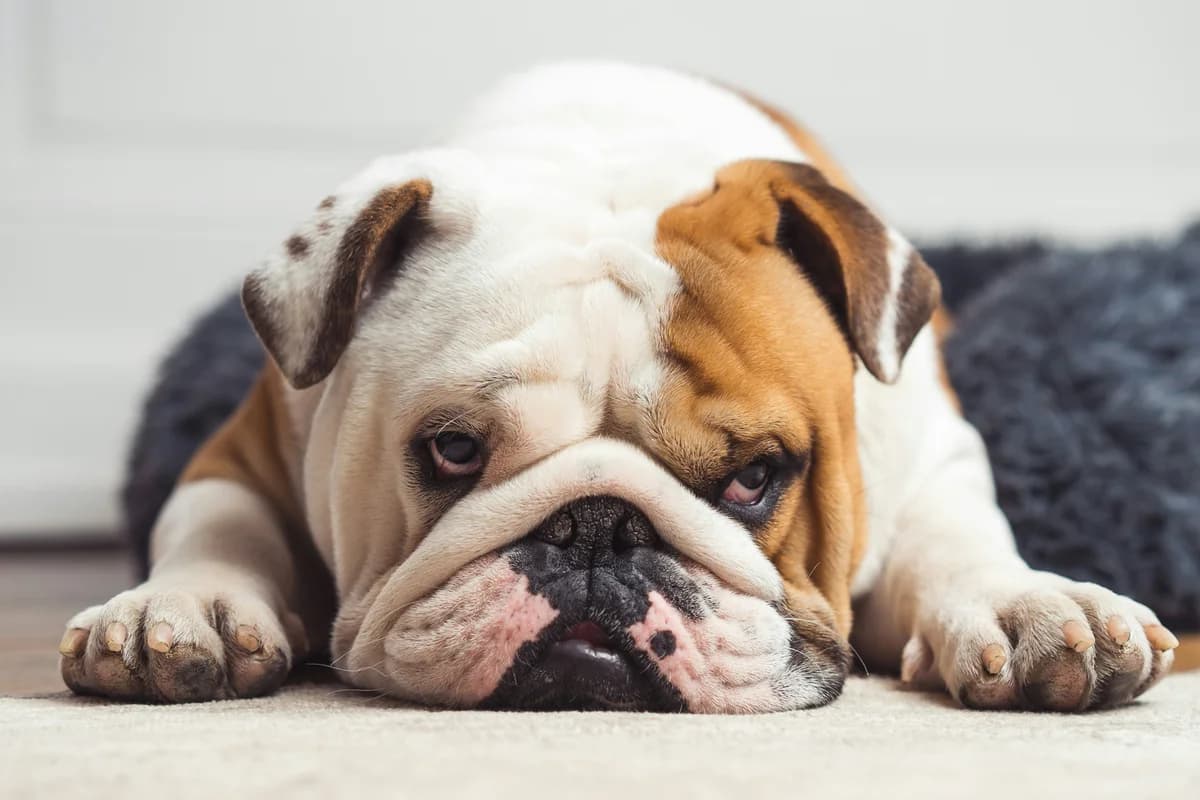
English Bulldogs' distinctive wrinkles and stocky build come with a significant health challenge: food allergy rates approaching 20-25% of the breed. Their combination of immune system vulnerabilities and characteristic skin folds creates unique complications not seen in other breeds. This guide covers Bulldog-specific allergens, symptoms, and management strategies.
Quick Answer: English Bulldogs have food allergy rates of 20-25% — among the highest of any breed — with beef, chicken, dairy, and wheat as the most common triggers. Their characteristic skin folds become infection hotspots when food allergies cause inflammation, making skin fold dermatitis, chronic ear infections, and digestive issues the hallmark symptoms. Diagnosis requires a strict elimination diet (8-12 weeks) with careful skin fold management throughout. A limited-ingredient diet with a novel protein combined with daily skin fold care provides the best long-term results.
Why Are English Bulldogs So Prone to Food Allergies?
Genetic Predisposition
English Bulldogs descend from a small founding population and have experienced severe genetic bottlenecks through centuries of selective breeding. Originally bred for bull-baiting in 13th century England, breeders shifted focus to companion dogs with increasingly exaggerated features after the practice was outlawed in 1835 — shorter faces, more pronounced wrinkles, stockier builds, and more skin folds. These breeding priorities inadvertently selected for dogs with multiple health vulnerabilities, including allergic conditions.
This limited gene pool concentrates health problems, including hypersensitive immune responses. The extreme brachycephalic structure affects more than breathing — studies suggest the anatomical compression may impact immune system development, contributing to allergy susceptibility.
The numbers are sobering: 20-25% of English Bulldogs develop true food allergies, 40-50% experience some form of food sensitivity, and 70% of allergic Bulldogs develop symptoms before age 3. This is significantly higher than French Bulldogs (15-18%), American Bulldogs (10-14%), and Boston Terriers (8-12%), though similar to Shar-Peis (20-25%) — another wrinkled breed.
The Skin Fold Complication
English Bulldogs' characteristic wrinkles create unique challenges when food allergies occur. Those skin folds trap moisture, creating ideal environments for bacterial and yeast overgrowth. When food allergies cause inflammation, these folds become infection hotspots.
Deep facial wrinkles collect food particles, saliva, and tears — combined with allergy-induced inflammation, this creates painful, malodorous infections. The "tail pocket" (a deep fold above the screw tail) is particularly problematic — allergic inflammation here leads to severe infections that can require surgical correction.
What Are the Most Common Allergens for English Bulldogs?
Protein Allergens
| Allergen | % of Allergic Bulldogs | Notes | |----------|----------------------|-------| | Beef | 45% | Most common — prolonged exposure to beef-based foods sensitizes many Bulldogs | | Chicken | 40% | Ubiquitous in commercial foods; chicken fat alone can trigger reactions | | Dairy | 35% | Many Bulldogs lack sufficient lactase enzyme; cheese and yogurt treats are frequent culprits | | Lamb | 25% | Despite "hypoallergenic" marketing, significant reactions in multi-sensitive Bulldogs | | Pork | 15% | Pig ear chews and pork treats can trigger reactions even on pork-free diets |
Wheat affects approximately 30% of food-allergic Bulldogs, with particular sensitivity to wheat gluten causing both skin and digestive symptoms.
Cross-Reactivity Patterns
If a Bulldog is allergic to beef, expect cross-reactivity with dairy (~15-20% due to bovine protein similarities) and potentially lamb. If allergic to chicken, expect cross-reactivity with turkey (55-60%), eggs (~30%), and moderate cross-reactivity with duck (~20%). For the full allergen breakdown, see the top 10 dog food allergens guide.
Foods to Completely Avoid
For English Bulldogs with confirmed allergies: all identified allergen sources, any "meat meal" or "by-products" from allergen sources, treats and chews containing allergens, table scraps, flavored medications and dental chews with allergen ingredients, and rawhides (often beef-based).
Take action today: Use the free Pet Allergy Scanner to check your current pet food for hidden allergens and find safer alternatives.
What Symptoms Should English Bulldog Owners Watch For?
Skin Fold Infections (Hallmark Symptom)
The defining sign in allergic English Bulldogs: red and inflamed skin in wrinkles, foul odor from facial folds, moist weeping lesions with thick discharge, and Bulldogs rubbing their faces on furniture or carpet. Facial fold infections can spread to the eyes, causing excessive tearing, redness, and squinting. The tail pocket becomes severely infected with extremely foul odor and thick discharge.
Chronic Ear Infections
English Bulldogs' narrow ear canals trap moisture and debris. Food allergies trigger inflammation causing head shaking, dark waxy discharge, foul odor, swollen red ear canals, and pain when ears are touched. For more on the allergy-ear infection connection, see the ear infections guide.
Paw Inflammation
Allergic Bulldogs obsessively lick their paws, creating reddish-brown saliva staining, painful interdigital cysts (fluid-filled lumps between toes), swollen inflamed paws, and secondary bacterial infections. For more on this symptom, see the paw licking guide.
Digestive Issues
Chronic diarrhea with soft, loose, or watery stools, frequent bowel movements (4-6+ daily), mucus or blood in stool, vomiting within hours of eating, and dramatically worsened flatulence. Bulldogs are already prone to gas, but food allergies make this significantly worse.
Respiratory Complications
Food allergies can worsen existing brachycephalic breathing problems: increased snoring and snorting, more laboured breathing, worsening exercise intolerance, and allergic rhinitis with nasal discharge and sneezing. This makes food allergy management particularly important for Bulldogs.
When to See a Vet
Emergency: Difficulty breathing or blue-tinged gums, severe facial swelling, bloody diarrhea or vomit, seizures, or collapse. Soon: Persistent skin fold infections, chronic ear infections, continuous scratching causing wounds, or digestive issues lasting more than 2-3 days.
How Do You Diagnose and Treat Bulldog Food Allergies?
The Elimination Diet
The 8-12 week elimination diet is essential. Choose a novel protein the Bulldog has never eaten — salmon, duck, rabbit, venison, or kangaroo are good options. Hydrolyzed protein formulas are also effective. Stick to (under your vet's protocol) this diet for 8-12 weeks with no treats, table scraps, flavoured medications, or dental chews.
For portion guidance: an adult Bulldog weighing 40-50 pounds needs 2-3 cups daily, split into 2-3 meals. Bulldogs are prone to obesity, so monitor portions carefully. Most Bulldogs show improvement within 6-8 weeks. Skin fold infections may take longer to fully resolve.
After symptoms improve, reintroduce one ingredient at a time (2 weeks each) to identify specific triggers. Document reactions and remove reactive ingredients permanently.
Diagnostic Costs
During the diagnostic phase, expect: initial consultation ($100-250), skin and ear cultures ($150-350), blood testing ($200-500), skin fold infection treatment ($100-300), and elimination diet food for 12 weeks ($250-600). Total first-year diagnostic costs typically range from $800-2,000.
Skin Fold Care During Treatment
Daily cleaning is essential throughout the diagnostic process: clean all folds with pet-safe wipes, dry thoroughly with a soft cloth, apply vet-recommended powder or cream, and pay special attention to facial folds and tail pocket. Signs of improvement include less odor, reduced discharge, less inflammation, and decreased scratching.
Dietary Transition
Transition gradually over 4 weeks: Week 1 at 25% new/75% old, Week 2 at 50/50, Week 3 at 75% new/25% old, Week 4 at 100% new food. Bulldogs need slower transitions than most breeds due to sensitive digestion.
Long-Term Management
Once triggers are identified: select a permanent hypoallergenic diet avoiding all confirmed allergens, create an approved treat list (freeze-dried novel protein, carrots, cucumbers, blueberries), maintain daily skin fold cleaning, and schedule vet checkups every 3-6 months for skin and ear assessment.
Not sure about ingredients? Try the free Pet Allergy Scanner — scan any pet food label for common allergens in seconds.
What Are the Best Foods for English Bulldogs with Allergies?
Prescription Options
Hill's Prescription Diet z/d — hydrolyzed chicken protein, widely used in veterinary practice for food allergy management, good palatability. ~$80-95/17.6 lb bag. Requires vet prescription.
Royal Canin Hydrolyzed Protein — proteins broken down to prevent reactions, moderate fat at 11%, excellent for multiple allergies. ~$85-105/24 lb bag. Requires vet prescription.
Over-the-Counter Options
Natural Balance L.I.D. Duck & Potato — multiple novel protein options, sweet potato carbohydrate, good for rotation. ~$60-75/26 lb bag.
Wellness Simple Salmon — salmon formula, minimal ingredients, no artificial additives. ~$55-65/24 lb bag.
Canidae PURE Salmon — limited ingredient with salmon as the single animal protein. ~$55-70/24 lb bag.
Bulldog-Specific Nutritional Needs
A 45-pound Bulldog with moderate activity typically needs in the range of 1,100-1,400 calories daily (less active dogs 900-1,100) — confirm with your vet based on body-condition score. Diet guidance aims for 24-28% protein from easily digestible sources and 10-14% fat (maximum 15% — too much causes digestive upset). Supplements commonly discussed for this breed include omega-3 fatty acids for skin health (owners often cite 1,000-1,500 mg fish oil daily — ask your vet for the right dose), glucosamine and chondroitin for joint support, prebiotics/probiotics for digestion, and quercetin as a natural antihistamine. For supplement guidance, see the dog allergy supplements guide.
Feeding Schedule
For a 45-pound Bulldog: 1-1.5 cups in the morning and 1-1.5 cups in the evening (2-3 cups daily total). Use elevated bowls for easier eating, slow-feeder bowls to prevent gulping, and split food into 2-3 meals. Avoid food 2 hours before bed and always keep fresh water available.
Common Mistakes to Avoid
Inconsistent diet adherence (even one treat can sabotage the trial), neglecting skin fold hygiene, transitioning food too quickly, forgetting about flavoured medications, assuming grain-free equals hypoallergenic, and giving up before the full 12 weeks. For more on distinguishing food from environmental allergies, see the seasonal vs food allergies guide.
Breed-Specific Action Plan
Immediate Steps (This Week)
- Document symptoms: Rate skin fold condition on a 1-10 scale, photograph affected areas, note ear condition and discharge, record stool quality and frequency, document scratching and licking frequency
- Complete a diet inventory: List all foods, treats, and chews; note flavored medications; document table scraps; identify all possible allergen sources
- Schedule a veterinary exam: Book with a vet or dermatologist, prepare symptom history, discuss elimination diet protocol, address secondary infections
- Scan current food: Use the Pet Allergy Scanner to identify hidden allergens
Short-Term Actions (This Month)
- Start the elimination diet: Purchase 3 months' supply of hypoallergenic food, remove all other food sources, inform family about strict protocol
- Establish feeding routine: Consistent meal times, precisely measured portions, elevated slow-feeder bowls, begin symptom tracking
- Implement daily skin care: Clean all skin folds daily, dry thoroughly, apply appropriate products, monitor for improvement
- Treat secondary infections: Use prescribed medications, complete full antibiotic courses, clean infected areas as directed
Long-Term Actions (3-6 Months)
- Complete elimination trial: Continue strict diet for full 12 weeks with weekly symptom assessments and progress photos
- Run food challenges: Reintroduce ingredients one at a time, document reactions, identify specific allergens
- Establish permanent protocol: Select long-term hypoallergenic food, create approved treat list, schedule regular vet visits, maintain daily skin care routine
Honest Take
English Bulldogs make food allergy management more visible than most breeds because the structural complications — skin folds, narrow ear canals, brachycephalic airway — amplify every symptom. A mildly inflamed lip fold on another breed is a mildly infected fold; on a Bulldog the same inflammation goes from mild to chronic in days because of the moisture trap.
The daily commitment is real: fold cleaning, ear hygiene, careful diet, treat vigilance. The dogs that get the full protocol tend to transform — but it's a lifelong management plan rather than a one-time fix. The owner energy cost is higher than average; so is the visible payoff when the dog stops scratching, stops smelling yeasty, and starts moving more freely.
Sources & Further Reading
- American Kennel Club — English Bulldog Health — breed-specific health challenges and allergy management
- Merck Veterinary Manual — Food Allergy Diagnosis — clinical reference for food allergy diagnosis and elimination diet protocols
- American College of Veterinary Dermatology — skin fold dermatitis, allergy testing, and breed-specific dermatological management
- Tufts University Veterinary Nutrition — evidence-based guidance on elimination diets and hydrolyzed protein diets
- BMC Veterinary Research — Adverse Food Reactions — breed-specific food allergy prevalence data
Related Articles
- Best Dog Food for Allergies
- French Bulldog Food Allergies
- Boston Terrier Food Allergies
- Pug Food Allergies
- Limited Ingredient Dog Food Comparison
Frequently Asked Questions
Can English Bulldogs Outgrow Food Allergies?
No. Once the immune system develops an allergic response to a specific protein, that sensitivity persists lifelong. However, proper dietary management allows most allergic Bulldogs to live comfortable and symptom-free lives with appropriate food and consistent skin care.
Why Do My Bulldog's Skin Folds Still Smell on an Allergy Diet?
Skin fold infections caused by months or years of allergic inflammation take time to resolve even after the dietary trigger is removed. Continue daily fold cleaning (wipe, dry, apply vet-recommended products) alongside the elimination diet. Most owners see significant improvement in fold odor and discharge within 4-8 weeks of strict diet adherence. If odor persists, secondary bacterial or yeast infections may need separate antibiotic or antifungal treatment.
Will Food Allergy Management Help My Bulldog's Breathing?
Potentially. Food allergies can worsen existing brachycephalic airway syndrome by causing inflammation in nasal passages and airways. Proper allergy management may reduce this inflammation, modestly improving breathing. However, structural airway problems require separate veterinary intervention. Severe breathing difficulties should be evaluated for surgical options.
How Much Does Managing Bulldog Food Allergies Cost Monthly?
Monthly costs typically include hypoallergenic food ($80-150), skin fold cleaning supplies ($20-40), supplements ($25-40), and treats ($15-25), totalling approximately $140-255/month. First-year diagnostic costs add $800-2,000 for vet visits, testing, elimination diet food, and medication for secondary infections. Proper management saves money long-term by reducing emergency vet visits and recurring infection treatments.
Can I Make Homemade Food for My Allergic Bulldog?
Yes, but only with veterinary nutritionist consultation. Home-cooked diets require balanced recipes with appropriate calcium, vitamin and mineral supplementation, a novel protein the Bulldog has never eaten, and strict consistency with weekly preparation. Unbalanced homemade diets cause serious nutritional deficiencies. Services like BalanceIT.com provide supplements to balance home-cooked meals. Many vets prefer commercial hydrolyzed protein diets due to guaranteed nutrition.
What Treats Are Safe for Allergic Bulldogs?
Stick with freeze-dried novel protein treats (matching the diet protein source), fresh vegetables like carrots and cucumbers, and blueberries. Avoid all commercial treats unless they contain only ingredients from the approved list. During elimination diet trials, no treats at all other than the elimination diet food itself.
Do Show-Quality Bulldogs Have Higher Allergy Rates?
Research suggests show-quality Bulldogs — those bred to more exaggerated breed standards — may have higher allergy rates than pet-quality dogs. The more extreme the breeding for specific physical characteristics, the more concentrated the immune system vulnerabilities become.
Should I Periodically Rotate My Bulldog's Hypoallergenic Food?
If the current diet is working and symptoms are controlled, do not change it. Unnecessary rotation risks introducing new allergens. Only switch if symptoms return, health conditions change, or the manufacturer alters the formula. When a change is needed, transition gradually over 4 weeks.
Is your pet's food safe?
Upload a photo of any pet food label and find out what's safe in seconds.
Try free scanFound this useful? Save it or share it with another pet owner.
Continue Reading

French Bulldog Food Allergies: 25-30% Affected (Highest Rate)
25-30% of French Bulldogs develop food allergies — the highest rate of any breed. Learn Frenchie-specific symptoms, brachycephalic risks, and best foods.
Boston Terrier Food Allergies: Brachycephalic Breed Guide
Boston Terriers face unique food allergy challenges due to their brachycephalic anatomy and digestive sensitivity. Breed-specific diet strategies inside.

Pug Food Allergies: Breathing & Skin Health Guide
Pug food allergy guide covering brachycephalic-specific symptoms, facial fold infections, common triggers, elimination diets, and best foods for Pugs.
Pitbull Food Allergies: Skin Issues & Best Foods
Pitbull food allergy guide covering breed-specific skin issues, common triggers, severe symptom management, and best hypoallergenic foods for bully breeds.
Cite this article
Gary Innes. (2026). English Bulldog Food Allergies: Breed-Specific Diet Guide. Pet Allergy Scanner. Retrieved 2026-05-29T08:56:03.000Z from https://petallergyscanner.com/blog/english-bulldog-food-allergies-management/
For other citation styles or to embed our tools, see the press & citations page.
About the author — Gary Innes
Gary is a UK pet owner who built Pet Allergy Scanner after 7+ years navigating his Cockapoo's chronic food allergy — a dog whose safe diet has narrowed to salmon, venison and vegetables. He is not a veterinarian and has no veterinary or nutrition qualifications. Every article on the site is owner-to-owner research that cites primary veterinary sources (Mueller et al. BMC Vet Res 2016, ACVD, Merck Vet Manual) and defers diagnostic and treatment decisions to a vet.
Read more about Pet Allergy Scanner's editorial standards →