Switching Dog Food for Allergies: Safe Transition Guide
Switching your dog's food the wrong way can trigger vomiting and diarrhea. Follow this gradual transition protocol to safely change your allergic dog's diet.
By Gary — 7+ years managing my Cockapoo's food allergies. Sources cited below.
13 min read
Affiliate disclosure: Some links here are affiliate links — buying through them keeps the scanner free for everyone, at no cost to you.
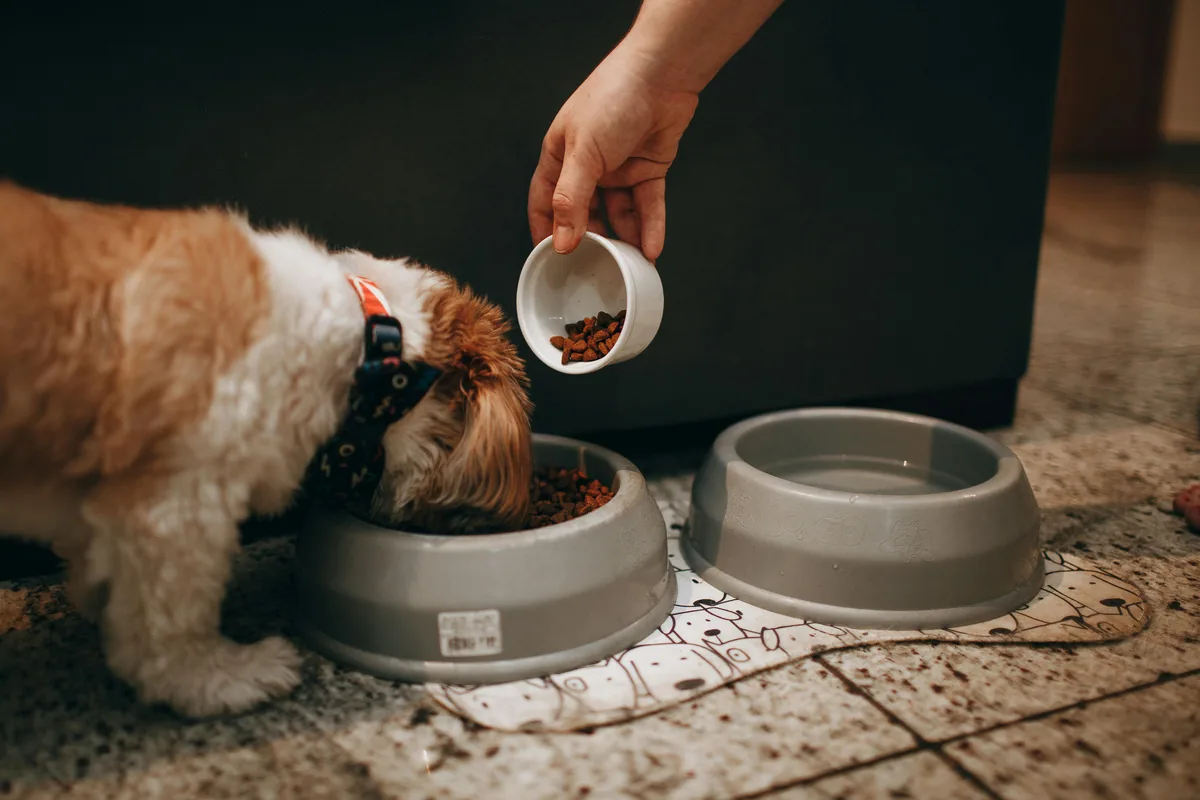
Switching to a new dog food requires careful planning, especially for dogs with food allergies. A poorly managed transition can cause digestive upset, mask allergy symptoms, or trigger new reactions. Following a structured approach protects your dog's health while successfully introducing the new diet.
By Gary, founder of Pet Allergy Scanner. 7+ years managing pet food allergies with my Cockapoo.
Quick Answer: Switching dog food for allergies safely. Gradual transition protocol, avoiding digestive upset, when to switch, emergency food changes.
Key Principle: Slow transitions are almost always better. The exception is severe allergic reactions, where immediate switching may be necessary under veterinary guidance.
Understanding Why Transition Matters
What Happens During Food Transition
| Stage | Body Response | |-------|---------------| | Days 1-3 | Digestive system begins adapting | | Days 4-7 | Gut bacteria start adjusting | | Days 7-14 | New flora balance establishing | | Days 14+ | System stabilizes on new food |
Why Allergic Dogs Need Extra Care
| Factor | Concern | |--------|---------| | Sensitive GI tract | Already compromised by allergies | | Immune reactivity | May react to new ingredients | | Symptom monitoring | Need to distinguish transition upset from allergy | | Elimination tracking | Fast switch confuses symptom source |
Standard Transition Protocol
The 7-10 Day Method
| Day | Old Food | New Food | |-----|----------|----------| | 1-2 | 75% | 25% | | 3-4 | 50% | 50% | | 5-6 | 25% | 75% | | 7+ | 0% | 100% |
Extended 14-Day Protocol (Recommended for Allergic Dogs)
| Day | Old Food | New Food | |-----|----------|----------| | 1-3 | 90% | 10% | | 4-6 | 75% | 25% | | 7-9 | 50% | 50% | | 10-12 | 25% | 75% | | 13-14 | 10% | 90% | | 15+ | 0% | 100% |
Ultra-Slow 21-Day Protocol (For Sensitive Dogs)
| Week | Old Food | New Food | |------|----------|----------| | Week 1 | 80% | 20% | | Week 2 | 50% | 50% | | Week 3 | 20% | 80% | | Week 4+ | 0% | 100% |
When to Use Each Protocol
| Protocol | Best For | |----------|----------| | 7-Day | Dogs with no digestive sensitivity, switching between similar foods | | 14-Day | Most allergic dogs, switching between different formulas | | 21-Day | Very sensitive dogs, major dietary changes, prescription transitions |
Emergency Immediate Switches
When Immediate Switching Is Necessary
| Situation | Action | |-----------|--------| | Severe allergic reaction | Stop allergen immediately | | Contaminated food | Don't feed contaminated food | | Vet-directed | Follow veterinary instructions | | Anaphylaxis risk | Allergen must be eliminated |
Managing Immediate Switches
| Step | Purpose | |------|---------| | Stop old food completely | Remove allergen | | Start new food at 50% portion | Reduce GI shock | | Add probiotics | Support gut transition | | Increase to full portion over 3-5 days | Allow adjustment | | Expect some GI upset | Usually resolves in 5-7 days |
Rapid 4-Day Switch Protocol (Allergen Currently in Diet)
When the old food contains a confirmed allergen and a slower transition would prolong reactions, this faster approach can be appropriate with veterinary input:
| Day | Old Food | New Food | |-----|----------|----------| | 1 | 60% | 40% | | 2 | 40% | 60% | | 3 | 20% | 80% | | 4+ | 0% | 100% |
Pair this with very small, frequent meals (3-4 times daily instead of 1-2), digestive enzyme support if approved by your vet, and 1-2 tablespoons of plain canned pumpkin per meal for small dogs (2-4 tablespoons for large dogs) to ease the GI workload.
Supporting GI Health During Fast Transition
| Supplement | Purpose | |------------|---------| | Probiotics | Gut flora support | | Pumpkin (plain) | Fiber, digestive aid | | Smaller, frequent meals | Easier digestion | | Extra water | Prevents dehydration |
Probiotic and Enzyme Specifics
For best results, start probiotics 3-5 days before beginning the transition and continue through the full transition plus 1-2 weeks afterward. Look for dog-specific multi-strain formulas containing Lactobacillus acidophilus, Bifidobacterium animalis, and Enterococcus faecium. Typical dosing ranges from 1-10 billion CFU daily depending on body weight—follow product instructions for your dog's size.
Digestive enzyme supplements (containing protease, lipase, amylase, and cellulase) can help during faster transitions, for senior dogs with reduced enzyme production, or for dogs with a history of digestive sensitivity. Sprinkle on food according to the product directions throughout the transition window.
For fiber support, plain canned pumpkin works for most dogs (1-2 tablespoons for small dogs, 2-4 tablespoons for large dogs). Psyllium husk is another option at roughly 1/4 teaspoon per 10 pounds of body weight, mixed into food with extra water. Always confirm any supplement is free of your dog's known allergens before introducing it.
Transition Monitoring
Daily Tracking Checklist
During transition, monitor:
| Factor | What to Note | |--------|--------------| | Stool quality | Firmness, color, frequency | | Appetite | Eating normally? | | Vomiting | Any occurrence | | Skin condition | Itching, redness | | Energy level | Normal activity? | | Ear status | Discharge, scratching |
Normal vs Concerning Signs
| Normal During Transition | Concerning—Slow Down or Stop | |-------------------------|------------------------------| | Slightly softer stool | Diarrhea lasting 48+ hours | | Mild flatulence | Vomiting multiple times | | Temporary appetite decrease | Complete food refusal | | Adjustment period 3-5 days | Symptoms worsening beyond 5 days |
When to Pause Transition
| Sign | Action | |------|--------| | Persistent diarrhea | Return to 75% old food, hold until resolved | | Vomiting | Return to old food, wait 48 hours, restart slower | | Food refusal | Mix foods more thoroughly, add warm water | | Allergy symptoms | Stop new food, consult vet |
Switching Between Hypoallergenic Foods
Same Brand, Different Formula
| Scenario | Transition Speed | |----------|------------------| | Same protein, different carb | 7-10 days usually fine | | Different protein, same brand | 14 days recommended | | Prescription to prescription | 14-21 days, vet guidance |
Different Brands
| Consideration | Approach | |---------------|----------| | Similar formulas | 14-day protocol | | Very different formulas | 21-day protocol | | Novel proteins | 14-21 days | | Prescription changes | Consult vet first |
Kibble to Fresh/Raw
| Factor | Consideration | |--------|---------------| | Moisture content difference | Major adjustment needed | | Digestive enzyme changes | Takes time to adapt | | Recommended timeline | 21-30 days | | Stool changes expected | Different consistency normal |
Transitioning to Prescription Food
Working with Your Veterinarian
| Step | Details | |------|---------| | Get clear instructions | Ask for specific transition plan | | Confirm mixing is okay | Some prescription diets shouldn't be mixed | | Understand timeline | When to expect results | | Schedule follow-up | To assess effectiveness |
Prescription Transition Considerations
| Prescription Type | Notes | |-------------------|-------| | Hydrolyzed protein | May have different texture, palatability | | Novel protein prescription | Usually standard transition works | | GI prescription | May need faster transition | | Elimination diet | Often immediate switch required |
Extended 6-Week Protocol for Hydrolyzed Diets
Hydrolyzed protein diets often have a distinctive taste and smell that dogs initially refuse. When palatability is the bottleneck, stretching the transition over six weeks gives the dog time to accept the new food:
| Week | Old Food | Hydrolyzed | |------|----------|------------| | Week 1 | 90% | 10% | | Week 2 | 80% | 20% | | Week 3 | 60% | 40% | | Week 4 | 40% | 60% | | Week 5 | 20% | 80% | | Week 6 | 0% | 100% |
To improve acceptance, warm the food slightly to release aroma, add warm water to create a gravy, and mix thoroughly to prevent your dog from picking out only the old food. Never add flavor enhancers or toppers, since they may reintroduce allergens.
Palatability Challenges
| Problem | Solution | |---------|----------| | Dog refuses new food | Warm slightly, add warm water | | Picks out old food only | Mix more thoroughly | | Won't eat either | Reduce portion, increase hunger | | Vomiting new food | Smaller portions, slower transition |
Switching From Commercial to Homemade
Preparation Steps
| Step | Action | |------|--------| | Consult nutritionist | Ensure balanced recipe | | Gather supplements | Have everything ready | | Calculate portions | Know exact amounts needed | | Plan batch cooking | Consistent meals ready |
Transition Protocol
| Week | Diet Composition | |------|------------------| | Week 1 | 25% homemade, 75% commercial | | Week 2 | 50% homemade, 50% commercial | | Week 3 | 75% homemade, 25% commercial | | Week 4+ | 100% homemade |
Common Issues and Solutions
| Issue | Cause | Solution | |-------|-------|----------| | Soft stool | Higher moisture, adjustment | Add fiber, give time | | Weight loss | Portion miscalculation | Recalculate calories | | Nutritional gaps | Missing supplements | Verify supplement routine | | Food refusal | Different texture/temperature | Adjust preparation |
Troubleshooting Common Problems
Digestive Upset
| Symptom | Cause | Solution | |---------|-------|----------| | Loose stool | Normal adjustment OR too fast | Slow down, add pumpkin | | Constipation | Different fiber content | Add water, fiber | | Gas | New ingredients fermenting | Usually resolves in 1-2 weeks | | Vomiting | Eating too fast, sensitivity | Smaller meals, slow feeder |
Food Refusal
| Cause | Solution | |-------|----------| | Different texture | Mix thoroughly, add water | | Different smell | Warm food slightly | | Prefers old food | Mix in lower ratio, be patient | | Stress | Calm feeding environment | | Illness | Vet check if persists |
Distinguishing Transition Upset from Allergy
| Sign | Likely Transition Issue | Possible New Allergy | |------|------------------------|---------------------| | Duration | Resolves in 5-7 days | Persists or worsens | | GI symptoms only | Common in transition | May be allergy | | Skin symptoms | Unlikely from transition | Suggests allergy | | Ear issues | Not transition-related | Possible allergy | | Timing | Immediate to few days | Often 1-2 weeks+ |
Special Circumstances
Switching Puppy Foods
| Consideration | Approach | |---------------|----------| | Growing GI system | Extra sensitivity possible | | Calorie needs | Ensure new food meets requirements | | Transition speed | 14-21 days recommended | | Monitoring | Watch growth, energy |
Senior Dog Transitions
| Factor | Consideration | |--------|---------------| | Slower adaptation | Use 21-day protocol | | Possible other conditions | Kidney, liver considerations | | Appetite changes | May need palatability help | | Digestive efficiency | May need digestive support |
Multi-Dog Households
| Challenge | Solution | |-----------|----------| | Mixing bowls | Separate feeding areas | | Different transition speeds | Feed at different times | | One dog eating other's food | Supervised feeding | | Treat consistency | Safe treats for all during transition |
Transitioning Into and Out of an Elimination Diet
Elimination diet trials add an extra layer to transition planning. The trial period itself doesn't begin until the transition is complete, otherwise you can't tell whether symptoms come from the diet or from the switch.
Elimination Diet Timeline Example
| Phase | Days | Activity | |-------|------|----------| | Transition | Days 1-14 | Gradual switch to novel protein diet | | Trial period | Days 15-98 | 12-week elimination diet (strict) | | Provocation | Days 99-112 | Reintroduce old diet to test for reactions | | Individual challenges | Day 113+ | Test single ingredients one at a time |
Don't count transition weeks toward the 8-12 week trial period. Symptoms during the actual trial then truly reflect the diet itself.
Provocation Phase Transitions
Reintroducing the old food during provocation can be more rapid (3-5 days) since the goal is intentionally to test for reactions. Once the diagnosis is confirmed, transition back to the elimination diet over 7-10 days—even though you know it's safe, the digestive system still needs adjustment time.
Planned Protein Rotation
Some veterinary nutritionists recommend rotating between 2-3 confirmed-safe proteins every 3-6 months to reduce the chance of developing new sensitivities. Identify proteins your dog tolerates, feed one exclusively for 3-6 months, then transition to the next using the 10-14 day protocol. Not all veterinarians agree with rotation—discuss with your vet whether it suits your dog's specific situation before starting.
After Transition: Monitoring for Success
Timeline for Allergy Improvement
| Time After Full Transition | What to Expect | |---------------------------|----------------| | 2-4 weeks | Some symptom reduction possible | | 6-8 weeks | Significant improvement if working | | 8-12 weeks | Full assessment period | | 3-6 months | Long-term tolerance confirmed |
Signs Transition Was Successful
| Indicator | Good Sign | |-----------|-----------| | Consistent stools | Normal firmness and frequency | | Skin improvement | Reduced itching, better coat | | Ear health | Less discharge, scratching | | Energy | Normal activity level | | Appetite | Eating well, consistent |
Signs the New Food Isn't Working
| Symptom | Timeline | Action | |---------|----------|--------| | Immediate GI upset | Within days | May need different food | | Skin symptoms worsen | 2-4 weeks | Possible new allergy | | No improvement | 8+ weeks | Reassess with vet | | New symptoms | Any time | Stop food, consult vet |
Related Articles
- Best Dog Food for Allergies
- Dog Elimination Diet Guide
- Limited Ingredient Dog Food Comparison
- How to Read Pet Food Labels
- Dog Food Allergy Symptoms Guide
Sources & Further Reading
For more information from trusted veterinary and pet health organizations:
- American Kennel Club - pet health guidance
- Tufts University Veterinary Nutrition - pet nutrition research
- AAFCO - pet food standards
Frequently Asked Questions
How do I know if I'm switching too fast?
Signs of too-fast transition include persistent loose stools, vomiting, or food refusal. If you see these, return to a higher percentage of old food and slow the transition. Most dogs tolerate the 14-day protocol well, but some need 21 days or longer.
Can I mix prescription food with regular hypoallergenic food?
Ask your veterinarian. Some prescription diets (especially hydrolyzed protein) should not be mixed with other foods as it defeats the purpose. For elimination diets, mixing is typically not allowed. For maintenance prescription foods, vet guidance is essential.
What if my dog refuses to eat the new food at all?
First, ensure the dog is healthy—illness can cause food refusal. Try warming the food, adding warm water, or mixing more thoroughly. If your dog won't eat for 24+ hours, consult your vet. Some dogs need different texture or flavor options.
Should I give probiotics during the transition?
Probiotics can support gut health during transitions and are generally safe. They may reduce digestive upset and help establish healthy gut bacteria on the new food. Ask your vet for recommendations specific to your dog.
How long should I wait before deciding the new food isn't working?
For allergy symptoms, give a new food 8-12 weeks before full assessment. Skin and ear issues take time to resolve. However, if your dog develops new symptoms or has severe reactions, consult your vet immediately rather than waiting.
What if I run out of old food mid-transition?
Try to avoid this by planning ahead. If it happens, slow down the transition with what remains, increase probiotics, and expect some temporary digestive upset. Consider finding more old food or consulting your vet about the best approach.
Summary: Successful Food Transitions
| Phase | Key Actions | |-------|-------------| | Planning | Choose right protocol, gather supplies | | Days 1-7 | Gradual increase, monitor closely | | Days 7-14 | Continue increase, note any issues | | Post-transition | Monitor symptoms, assess after 8 weeks | | Troubleshooting | Slow down if needed, consult vet for concerns |
Switching dog food for allergies requires patience and careful monitoring. A gradual transition protects your dog's digestive system while allowing accurate assessment of whether the new food helps allergy symptoms. When in doubt, slower is better.
The shortcut that doesn't exist: a food switch that bypasses proper diagnosis. Random switching between premium brands, "hypoallergenic" formulations, or grain-free options based on social-media recommendations is the most common slow-burn money waste in this category. Each switch costs £40-80 in food, takes weeks before you can judge it, and leaves no diagnostic information at the end if it doesn't work.
A systematic 12-week elimination trial under vet supervision is slower than guessing, and the result is genuinely useful — you know what to avoid, what to feed, and whether to escalate to dermatology. The work converts to a permanent answer; the guesswork doesn't.
Checking ingredients in new dog food? Use the free Pet Allergy Scanner to compare formulas.
Is your pet's food safe?
Upload a photo of any pet food label and find out what's safe in seconds.
Try free scanFound this useful? Save it or share it with another pet owner.
Continue Reading

Dog Food Allergies at Daycare: Communication & Safety Guide
Managing dog food allergies at daycare. Communicating with staff, allergen-free treat policies, preventing cross-contamination, and finding facilities.

Dog Food Allergies in Multi-Pet Households: Management Strategies
Managing dog food allergies in multi-pet households. Separate feeding strategies, preventing food stealing, and keeping allergic dogs safe around other pets.

Dog Food Allergy Emergency: Anaphylaxis Recognition & Response
Anaphylaxis from food allergies is rare in dogs but can be fatal within minutes. Every dog owner must know these emergency warning signs and responses.

Grain-Free vs Grain-Inclusive Dog Food: 10–20% Need It
Only 10–20% of food-allergic dogs are actually grain-sensitive. We compare both diets, debunk the DCM myth, and show when grain-free is worth the cost.
Cite this article
Gary Innes. (2026). Switching Dog Food for Allergies: Safe Transition Guide. Pet Allergy Scanner. Retrieved 2026-07-06T22:16:44.000Z from https://petallergyscanner.com/blog/switching-dog-food-allergies/
For other citation styles or to embed our tools, see the press & citations page.
About the author — Gary Innes
Gary is a UK pet owner who built Pet Allergy Scanner after 7+ years navigating his Cockapoo's chronic food allergy — a dog whose safe diet has narrowed to salmon, venison and vegetables. He is not a veterinarian and has no veterinary or nutrition qualifications. Every article on the site is owner-to-owner research that cites primary veterinary sources (Mueller et al. BMC Vet Res 2016, ACVD, Merck Vet Manual) and defers diagnostic and treatment decisions to a vet.
Read more about Pet Allergy Scanner's editorial standards →