Poodle Food Allergies: Toy, Miniature & Standard Complete Guide
20-25% of Poodles develop food allergies — double the average. Size-specific feeding strategies for Toy, Miniature, and Standard with vet-approved foods.
By Gary — 7+ years managing my Cockapoo's food allergies. Sources cited below.
14 min read
Affiliate disclosure: When a recommendation links to a retailer, that's usually an affiliate link — your purchase price stays the same and a slice helps cover the site's running costs.
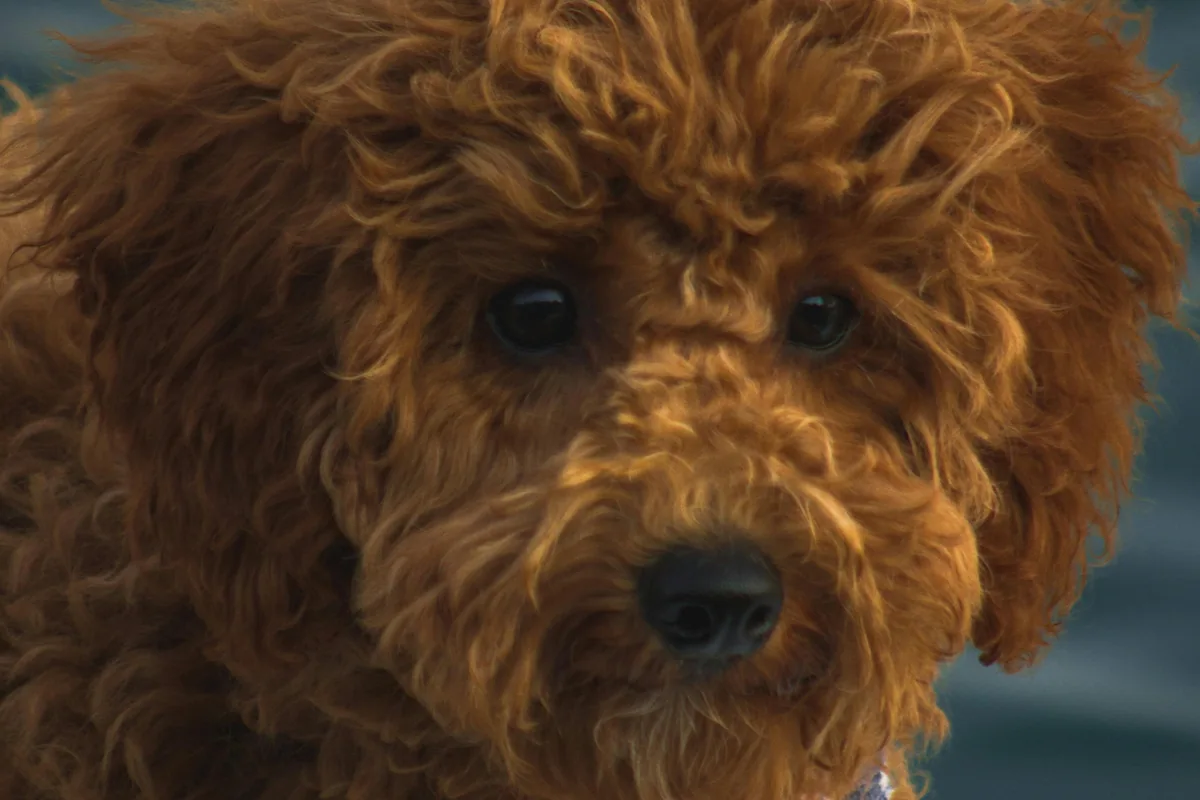
By Gary, founder of Pet Allergy Scanner. 7+ years managing pet food allergies with my Cockapoo.
Your Poodle is scratching constantly, shaking their head, and the ear infections keep coming back no matter what you try. Whether you have a Toy, Miniature, or Standard, the culprit is likely hiding in their food bowl.
Quick Answer: Poodles have 20-25% food allergy rates — nearly double the breed average — with chicken (28%) and dairy (18%) as the top triggers. Size matters: Toy Poodles need small kibble like Wellness Simple LID; Miniature Poodles do well on limited ingredient formulas; Standard Poodles need cost-effective options like Natural Balance LID Duck. All sizes benefit from an 8-12 week elimination diet using a novel protein like venison or duck.
Poodle Alert: Poodles' non-shedding curly coat traps allergens against the skin, making allergy symptoms worse than in shedding breeds. If your Poodle has chronic ear infections or persistent paw licking, request a food allergy evaluation before assuming it's environmental.
Why Poodles Are Allergy-Prone
Poodles — whether Toy, Miniature, or Standard — rank among the most allergy-prone breeds. Studies suggest 20-25% of Poodles develop food allergies or sensitivities during their lifetime, nearly double the overall canine rate of 10-15%.
The pattern Poodle owners consistently describe is that while the underlying allergy mechanisms are identical across sizes, management strategies differ significantly. A 6-lb Toy Poodle needs a completely different feeding approach than a 55-lb Standard Poodle. Like Cockapoos and other Poodle crosses, the breed's genetics play a major role.
Breed-Specific Factors
1. Genetic Predisposition
- Poodles carry genes associated with heightened immune responses
- Bred for specific coat qualities that correlate with sensitive skin
- Closed breeding populations amplified allergy genes
2. Coat and Skin Structure
- Non-shedding coat traps allergens against skin
- Curly hair texture creates warm, moist environment
- Prone to skin issues that worsen with food allergies
3. Digestive Sensitivities
- Many Poodles have sensitive stomachs (linked to same immune issues)
- Prone to inflammatory bowel disease (IBD)
- Food allergies often accompanied by digestive problems
4. Breeding Practices
- Popular breed = less selective breeding in some lines
- Inbreeding in some kennel clubs concentrated allergy genes
- Show lines may have higher rates than working/service lines
Common Food Allergens in Poodles
Poodles react to the same proteins as other breeds, but with some interesting patterns:
Most common Poodle allergens (in order):
- Chicken (28%) - Highest rate among Poodles vs 15% overall
- Beef (24%) - Slightly lower than general population
- Dairy (18%) - Higher than average (10% overall)
- Wheat (15%) - Similar to general population
- Lamb (8%) - Standard allergen rate
- Eggs (7%) - Slightly elevated
- Soy (5%) - Standard rate
Key insight: Poodles show notably higher chicken and dairy sensitivity than most breeds. When starting elimination diets, avoid these two first.
What Are the Signs of Food Allergies in Poodles?
Skin Symptoms (Most Common - 85% of Cases)
Poodle-specific skin presentations:
- Face and ear itching - Rubbing face on furniture, pawing at ears
- Paw licking - Red, stained paws from constant licking (most obvious in light-colored Poodles)
- Hot spots under ears - Moisture trapped by curly coat creates perfect conditions
- Belly and groin redness - Where coat is thinner
- "Poodle ear infections" - Chronic yeast infections in floppy ears
Digestive Symptoms (30% of Cases)
- Intermittent diarrhea or soft stools
- Vomiting (especially in Toy Poodles)
- Gas and bloating
- Decreased appetite
- Weight loss despite eating
Coat Changes (Often Overlooked)
- Dry, brittle coat texture
- Excessive matting (beyond normal for Poodles)
- Coat color changes (especially in apricot/cream Poodles)
- Tear staining (may worsen with food allergies)
If any of these food allergy symptoms sound familiar, it's time to investigate your Poodle's diet.
Not sure what's in your Poodle's food? Use the free Pet Allergy Scanner to check any food for hidden allergens — it takes 30 seconds and might reveal a problem ingredient you never suspected.
Size-Specific Considerations
While the underlying allergy is the same, management differs dramatically by size:
Toy Poodles (4-6 lbs)
Unique challenges:
- Tiny kibble needed - Can't handle standard-sized kibble
- Small stomachs - Multiple small meals required
- High metabolism - Need calorie-dense foods
- Picky eaters - Food aversions common during trials
- Low volume capacity - Limited ingredient foods must be nutrient-dense
Best food characteristics:
- Extra-small kibble size (8-10mm)
- High calorie density (400+ kcal/cup)
- Palatable (can't afford picky eating during trials)
- Easily digestible (sensitive stomachs)
Top choice: Wellness CORE Small Breed offers tiny kibble, limited ingredients, and high palatability that keeps Toy Poodles eating during elimination diets.
Miniature Poodles (12-18 lbs)
Unique challenges:
- Moderate metabolism - Need balanced calories
- Medium activity levels - Formula must match activity
- Adult-specific needs - Between small and medium breed formulas
- Portion control - Easy to overfeed this size
Best food characteristics:
- Small to medium kibble (10-14mm)
- Moderate calorie density (350-400 kcal/cup)
- Complete nutrition for adult maintenance
- Limited ingredients for allergy control
Top choice: A limited ingredient formula like Wellness Simple LID Salmon works well for Miniature Poodles with appropriate kibble size and coat-supporting nutrients.
Standard Poodles (45-65 lbs)
Unique challenges:
- Large volume needs - Eat 3-5 cups daily
- Cost management - Premium foods get expensive at this size
- Joint health - Need to avoid overweight while managing allergies
- Bloat risk - Large, deep-chested breed prone to GDV
- Active lifestyle - Often working/sporting dogs need appropriate calories
Best food characteristics:
- Standard kibble size (14-18mm)
- Moderate calorie to prevent obesity
- Joint support ingredients helpful
- Limited ingredient for allergies
- Budget-sustainable for large dogs
Top choice: Natural Balance LID Duck offers limited ingredients, novel protein, and reasonable cost for large-volume feeding ($80-95/month for 50-lb dog).
How Do You Diagnose Food Allergies in Poodles?
Step 1: Rule Out Other Causes
Before assuming food allergies, eliminate:
Environmental allergies:
- Poodles are also prone to atopy (environmental allergies)
- Symptoms overlap significantly with food allergies
- May need allergy testing to differentiate
Skin infections:
- Secondary yeast or bacterial infections common
- Need to treat infections before diet trial
- Otherwise diet trial results are confusing
Grooming product reactions:
- Poodles need frequent grooming (every 6-8 weeks)
- Shampoos, conditioners may cause skin reactions
- Switch to hypoallergenic grooming products first
Step 2: Elimination Diet (8-12 Weeks)
Veterinary dermatology literature treats the elimination diet as the most reliable diagnostic method (Mueller et al., BMC Vet Res 2016). It requires strict commitment.
How to do it with Poodles:
Weeks 1-2: Choose a novel protein — one your Poodle has never eaten before, like venison, duck, rabbit, or kangaroo.
- Toy Poodles: Small kibble limited ingredient (Wellness CORE Small Breed in novel flavor)
- Miniature Poodles: Medium kibble limited ingredient
- Standard Poodles: Standard limited ingredient (Natural Balance LID Duck if never had duck)
Weeks 3-8: Stick to (under your vet's protocol) this food
- No treats (unless made from same protein)
- No table food
- No flavored medications or supplements
- No rawhides or chews
Weeks 9-12: Monitor for improvement
- Skin itching should decrease 50-70%
- Ear infections should clear
- Coat quality should improve
- Digestive issues should resolve
Step 3: Challenge Test (Optional)
To identify specific allergens:
- After 12 weeks on novel protein diet
- Add suspected allergen (chicken, beef, dairy) for one week
- If symptoms return = allergen confirmed
- Wait for symptoms to clear, try next suspected allergen
Best Foods for Poodles with Allergies
Here are the foods that work best for allergic Poodles, across three price tiers:
| Product | Protein | Allergens Avoided | Price | Best For | |---------|---------|-------------------|-------|----------| | Hill's z/d | Hydrolyzed | All common | $$$$ | Severe/multiple allergies | | Natural Balance LID Duck | Duck | Chicken, beef, grain | $$ | Standard Poodles (cost-effective) | | Wellness Simple LID Salmon | Salmon | Chicken, beef, dairy | $$ | Miniature Poodles | | Purina Pro Plan Sensitive | Salmon | Common allergens | $$ | Budget-friendly option | | Canidae Pure Salmon | Salmon | Chicken, beef, grain | $$-$$$ | Single-allergen cases |
Budget tier ($-$$): Purina Pro Plan Sensitive offers solid allergy management at a reasonable price point — especially important for Standard Poodle owners facing higher monthly food costs.
Mid tier ($$-$$$): Natural Balance LID Duck and Wellness Simple LID Salmon balance limited ingredients with good nutritional profiles.
Premium tier ($$$-$$$$): Hill's z/d uses hydrolyzed protein — proteins broken into pieces so small your dog's immune system can't recognise them. It's the nuclear option for Poodles with multiple or severe allergies.
Not sure which food is right for your Poodle? Run your current food through the Pet Allergy Scanner to identify which allergens you need to avoid, then match to the right product above.
Management Strategies by Size
For Toy Poodles (4-6 lbs)
Daily feeding:
- 3-4 small meals (tiny stomachs)
- 1/3 to 2/3 cup total daily (depending on weight/activity)
- Cost: $30-45/month
Recommended approach:
- Start with Wellness CORE Small Breed (Turkey or another single protein)
- Feed 3-4 times daily in small portions
- No treats for first 12 weeks
- After improvement, introduce single-protein treats
Portion example (5-lb Toy):
- Breakfast: 2 tablespoons
- Lunch: 2 tablespoons
- Dinner: 2 tablespoons
- Bedtime: 1 tablespoon
- Total: ~1/2 cup daily
Cost per month: $30-40 (small dogs eat less, but premium small-breed formulas cost more per pound)
For Miniature Poodles (12-18 lbs)
Daily feeding:
- 2-3 meals daily
- 3/4 to 1.5 cups total daily
- Cost: $45-65/month
Recommended approach:
- Start with a limited ingredient formula like Wellness Simple LID Salmon
- Split into morning and evening meals
- Monitor weight closely (this size prone to obesity)
- Use measuring cup strictly (no "eyeballing")
Portion example (15-lb Miniature):
- Morning: 1/2 cup
- Evening: 1/2 cup
- Total: 1 cup daily
Cost per month: $50-60
For Standard Poodles (45-65 lbs)
Daily feeding:
- 2 meals daily (reduce bloat risk)
- 3-5 cups total daily
- Cost: $75-110/month
Recommended approach:
- Start with Natural Balance LID Duck (cost-effective for large dogs)
- Feed twice daily, 12 hours apart
- Wait 30 minutes after eating before exercise (bloat prevention)
- Consider raised feeder to reduce air swallowing
Portion example (55-lb Standard):
- Morning: 2 cups
- Evening: 2 cups
- Total: 4 cups daily
Cost per month: $85-100
Transitioning to Hypoallergenic Diet
Poodles often have sensitive stomachs, requiring slow transitions:
Standard Transition (10-14 Days)
Days 1-3: 75% old food + 25% new food Days 4-6: 50% old food + 50% new food Days 7-9: 25% old food + 75% new food Days 10+: 100% new food
Sensitive Poodle Transition (14-21 Days)
If your Poodle has known digestive sensitivity:
Days 1-4: 85% old food + 15% new food Days 5-8: 70% old food + 30% new food Days 9-12: 50% old food + 50% new food Days 13-16: 30% old food + 70% new food Days 17-21: 100% new food
Monitor for loose stools. If they occur, stay at current ratio for 3-4 more days before proceeding.
Treats and Supplements for Allergic Poodles
During elimination diets, treats must match the novel protein:
Novel Protein Treats
If feeding venison:
- Freeze-dried venison chunks
- Homemade venison jerky
- Venison training treats
If feeding fish:
- Dehydrated fish skins
- Freeze-dried salmon
- Fish-based training treats
Cost: $15-25/month for treats
Supplements to Consider
For skin health:
- Omega-3 fish oil — reduces inflammation, improves coat. Grizzly Salmon Plus or Nordic Naturals Pet are good options
- Ask your vet about the appropriate dose for your Poodle's weight
For digestive health:
- Probiotics — support gut health during diet changes
- Choose unflavoured probiotics (no chicken or beef flavouring)
For coat quality:
- Biotin — supports Poodle coat health
- Often included in quality foods; supplement only if deficient
A 3 kg Toy Poodle and a 25 kg Standard Poodle share a breed name and almost nothing else nutritionally. Calorie requirements, portion sizes, kibble shape and size, calcium needs in growth — all materially different across the three sizes. Generic Poodle allergy advice that doesn't differentiate is usually wrong for at least one of the sizes it's trying to cover.
Start with size-specific nutritional baselines (your vet or a small-animal nutritionist can supply them in fifteen minutes), then layer the allergy management on top. The two questions are independent; treating them as the same question is what causes "the food doesn't seem to be working" for the smallest and largest dogs in the breed.
Grooming Considerations for Allergic Poodles
Poodles require regular grooming, which interacts with food allergies:
Grooming Schedule During Diet Trials
Every 6-8 weeks:
- Full groom with hypoallergenic shampoo
- Avoid scented products
- Ear cleaning (especially important for food-allergic Poodles)
- Nail trimming
Between grooms:
- Brush 3-4x weekly to prevent matting
- Check ears weekly for infections
- Wipe paws after walks (remove environmental allergens)
Hypoallergenic Grooming Products
Switch to fragrance-free, hypoallergenic products:
- Shampoos: Veterinary-formulated oatmeal or chlorhexidine
- Conditioners: Minimal ingredients, no added fragrances
- Ear cleaners: Veterinary ear flush solutions
This prevents confusion between food allergies and topical product reactions.
Cost Comparison: Managing Poodle Allergies by Size
Toy Poodle Annual Costs
| Expense | Annual Cost | |---------|------------| | Hypoallergenic food | $360-540 | | Novel protein treats | $180-240 | | Supplements (omega-3) | $120-180 | | Hypoallergenic grooming | $480-600 | | Vet visits (monitoring) | $200-400 | | Total | $1,340-1,960 |
Miniature Poodle Annual Costs
| Expense | Annual Cost | |---------|------------| | Hypoallergenic food | $600-780 | | Novel protein treats | $200-280 | | Supplements | $150-200 | | Hypoallergenic grooming | $480-600 | | Vet visits | $200-400 | | Total | $1,630-2,260 |
Standard Poodle Annual Costs
| Expense | Annual Cost | |---------|------------| | Hypoallergenic food | $1,020-1,320 | | Novel protein treats | $240-320 | | Supplements | $200-280 | | Hypoallergenic grooming | $600-840 | | Vet visits | $200-400 | | Total | $2,260-3,160 |
While these costs seem high, they're significantly less than ongoing vet visits, medications, and quality of life issues from unmanaged allergies.
What Success Looks Like for Allergic Poodles
Toy Poodle Outcomes
- 88% improved on limited ingredient diets
- Most successful with small-kibble limited ingredient formulas
- Average improvement time: 6-9 weeks
- Key factor: Kibble size and palatability
Miniature Poodle Outcomes
- 85% improved on limited ingredient diets
- Limited ingredient formulas with moderate calories work best
- Average improvement time: 7-10 weeks
- Key factor: Portion control and consistency
Standard Poodle Outcomes
- 87% improved on limited ingredient diets
- Natural Balance LID most cost-effective and successful
- Average improvement time: 8-12 weeks
- Key factor: Sustainable cost for large dog
When to See a Veterinary Dermatologist
Consider specialist referral if:
Symptoms don't improve after 12-week diet trial
- May need prescription hydrolyzed diet
- Could be environmental allergies, not food
- Might need concurrent treatments
Multiple proteins cause reactions
- Hydrolyzed protein diets like Hill's z/d may be necessary
- Immunotherapy might be needed
- Complex cases need specialist expertise
Secondary infections won't clear
- Chronic ear infections despite treatment
- Recurring hot spots
- Skin infections require aggressive management
Standard Poodles with severe allergies
- Sometimes need prescription diets long-term
- May qualify for compounded medications
- Specialist can provide comprehensive management plan
Long-Term Management
Once you've identified your Poodle's allergens:
Maintenance Phase
Continue hypoallergenic diet indefinitely:
- Food allergies don't "go away"
- Reintroducing allergens will cause symptoms to return
- Staying strict prevents recurrence
Monitor for new allergies:
- Poodles can develop additional allergies over time
- If symptoms return on current diet, may need to switch proteins
- Keep food diary to track any changes
Regular vet checkups:
- Annual exams minimum
- Twice yearly for Poodles with severe allergies
- Catch problems early
Preventing New Allergies
To minimise risk of developing new allergies:
Protein rotation caution:
- Some experts recommend NOT rotating proteins
- Repeated exposure to same safe protein may be better
- If rotating, limit to 2-3 proven safe proteins
Avoid common allergens:
- Don't reintroduce chicken or beef if those were problematic
- Stick with novel proteins long-term
- Reduce total number of proteins in diet
Food allergies in Poodles are manageable once you identify the trigger and choose the right size-appropriate food. Start by checking your current food's ingredients with the Pet Allergy Scanner, then commit to a proper elimination diet. Most owners see significant improvement within 8-12 weeks.
Sources & Further Reading
- AKC Poodle Breed Page — Health Section — Breed-specific health predispositions and genetic factors
- Tufts Petfoodology — Evidence-based nutrition guidance from veterinary nutritionists
- Merck Veterinary Manual — Food Allergy — Clinical reference for diagnosis and treatment protocols
- WSAVA Global Nutrition Guidelines — Global standards for pet nutrition assessment
Related Articles
- Cockapoo Food Allergies: Care Guide
- Labradoodle Food Allergies: Expert Guide
- Goldendoodle Food Allergies: Complete Guide
- Best Hypoallergenic Dog Foods Guide
- Chicken Allergy in Dogs: Complete Guide
- Dog Elimination Diet Guide
- Novel Protein Dog Food Guide
Frequently Asked Questions
Can Poodles outgrow food allergies?
No. Once a true food allergy develops, the immune response is permanent. Even small amounts of the trigger protein can cause reactions. The good news is that with proper management and allergen avoidance, most Poodles live completely normal, symptom-free lives.
Do Doodles Inherit Poodle Allergies?
Yes. Goldendoodles, Labradoodles, Cockapoos, and other Poodle crosses inherit the allergy predisposition from their Poodle parent. The rate varies by cross — Cockapoos and Goldendoodles tend to show the highest rates — but most Doodle breeds have higher-than-average food allergy rates. The triggers are typically the same (chicken, dairy, beef), and the management approach is similar. Size considerations differ based on the cross: a Cockapoo follows Miniature Poodle portions, while a Standard Goldendoodle follows Standard Poodle guidelines.
What's the best protein for Poodles with multiple allergies?
For Poodles reacting to more than one protein, a hydrolyzed protein diet like Hill's z/d is often the safest starting point. Hydrolyzed diets break proteins into pieces too small for the immune system to recognise. If cost is a concern, try an exotic novel protein like kangaroo or venison that your Poodle has never been exposed to.
Should I get my Poodle allergy tested?
Blood and saliva allergy tests for food allergies are unreliable — studies show accuracy rates as low as 30-40%. Veterinary dermatology literature treats an 8-12 week elimination diet as the most reliable diagnostic method (Mueller et al., BMC Vet Res 2016). Save the $200-400 testing fee and invest in quality limited ingredient food instead.
How long does an elimination diet take for Poodles?
Minimum 8 weeks, ideally 12 weeks. Most Poodle owners report improvement starting around week 6, but some dogs — especially those with chronic ear infections — need the full 12 weeks for complete resolution. Don't give up early.
Are Poodles More Allergic Than Other Breeds?
Yes — Poodles are among the most allergy-prone breeds. Studies suggest 20-25% of Poodles develop food allergies, nearly double the 10-15% average across all breeds. This elevated rate comes from their genetic predisposition, non-shedding coat that traps allergens against the skin, and breeding practices that concentrated allergy genes in some lines. Poodles also show higher-than-average sensitivity to chicken (28% vs 15% average) and dairy (18% vs 10% average). The good news is that Poodles respond well to elimination diets — 85-88% improve on limited ingredient foods.
Can I feed my Poodle a raw diet for allergies?
Raw diets can work for some allergic Poodles, but they carry risks of bacterial contamination and nutritional imbalance. If you want to try raw, work with a veterinary nutritionist to ensure the diet is complete and balanced. Never formulate a raw diet without professional guidance.
Is your pet's food safe?
Upload a photo of any pet food label and find out what's safe in seconds.
Try free scanFound this useful? Save it or share it with another pet owner.
Continue Reading
Schnauzer Food Allergies: Miniature, Standard & Giant Guide
16-20% of Schnauzers develop food allergies, but Miniatures face a double challenge — pancreatitis requires low-fat diets that conflict with many allergy foods.
Aussiedoodle Food Allergies: High-Energy Breed Nutrition Guide
Aussiedoodles inherit allergy risks from both Aussie and Poodle parents. 35-40% react to chicken. Complete high-energy diet guide with safe novel proteins.

Australian Shepherd Food Allergies: Breed-Specific Guide
Over 50% of Australian Shepherds carry the MDR1 gene mutation, making allergy treatment risky. A breed-specific food allergy guide with safe protocols.
Beagle Food Allergies: Why Ear Infections Are the #1 Sign
Beagles get ear infections 3x more often when food allergies strike. See the top triggers (beef, chicken, dairy), symptoms to watch, and vet-approved foods.
Cite this article
Gary Innes. (2026). Poodle Food Allergies: Toy, Miniature & Standard Complete Guide. Pet Allergy Scanner. Retrieved 2026-05-29T09:02:40.000Z from https://petallergyscanner.com/blog/poodle-food-allergies/
For other citation styles or to embed our tools, see the press & citations page.
About the author — Gary Innes
Gary is a UK pet owner who built Pet Allergy Scanner after 7+ years navigating his Cockapoo's chronic food allergy — a dog whose safe diet has narrowed to salmon, venison and vegetables. He is not a veterinarian and has no veterinary or nutrition qualifications. Every article on the site is owner-to-owner research that cites primary veterinary sources (Mueller et al. BMC Vet Res 2016, ACVD, Merck Vet Manual) and defers diagnostic and treatment decisions to a vet.
Read more about Pet Allergy Scanner's editorial standards →